Kitchen Exhaust Cleaning: Requirements, Cost, and Finding a Pro

7 May 2026 6 min read No comments Industry & Business
Featured image


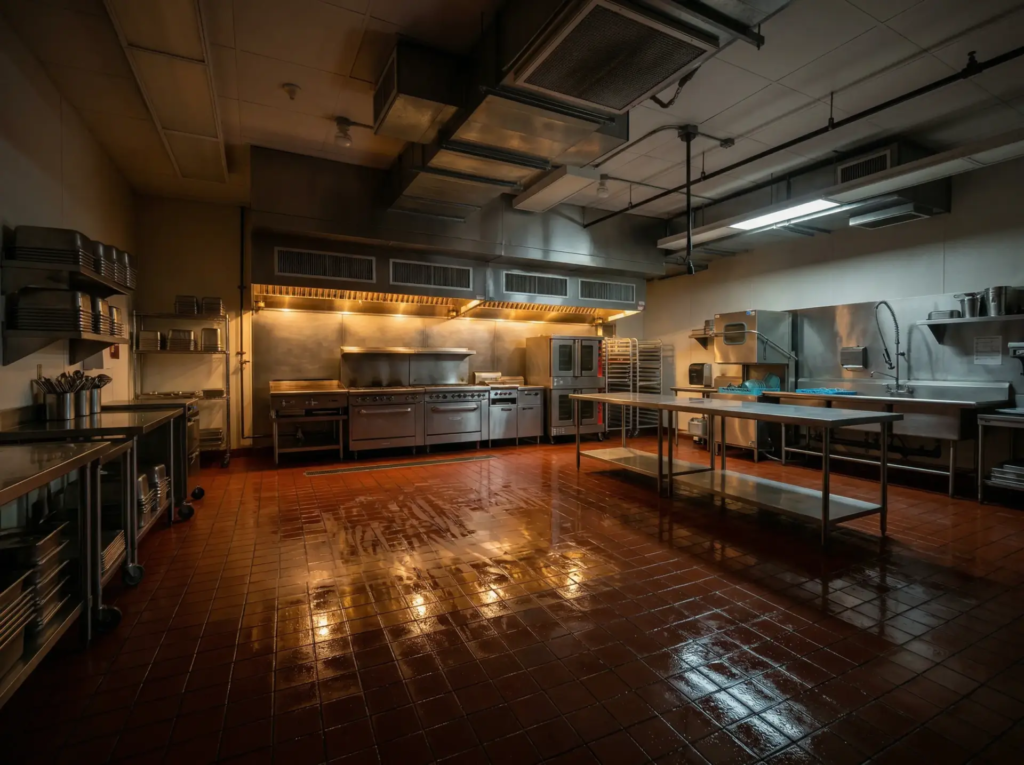
Kitchen exhaust cleaning removes grease, carbon deposits, and fire hazards from hood systems, ductwork, and fans in commercial kitchens. This article covers compliance requirements, cleaning frequency, cost factors, and how to find qualified service providers who protect your operation from fire risk and health code violations.

Why Kitchen Exhaust Cleaning Is Non-Negotiable

Grease accumulation in exhaust systems is the leading cause of restaurant fires. When cooking oils vaporize, they travel through your hood, into ductwork, and settle as combustible residue. A single spark from cooking equipment can ignite these deposits, spreading fire through hidden duct paths faster than suppression systems can respond.

The National Fire Protection Association requires commercial kitchens to maintain exhaust systems according to NFPA 96 standards. Fire marshals, health inspectors, and insurance adjusters all check for compliance during routine visits. Failing an inspection can result in immediate closure orders, voided insurance coverage, or citations that remain on public record.

8,000+
Restaurant fires caused by grease buildup annually in the U.S.

Beyond fire safety, dirty exhaust systems compromise air quality and employee health. Grease-laden air recirculates through kitchens, coating surfaces and creating respiratory irritants. Proper cleaning eliminates these contaminants and maintains proper ventilation performance.

How Often Does Kitchen Exhaust Cleaning Need to Happen?

Cleaning frequency depends on cooking volume and the type of food you prepare. NFPA 96 establishes four baseline schedules based on operational intensity.

High-volume operations using solid fuel (charcoal, wood-fired ovens) require monthly cleaning. These systems produce the most grease and carbon deposits. Restaurants operating 24-hour fryers or cooking large quantities of fatty proteins need quarterly service. Moderate-volume kitchens typically clean semi-annually, while low-volume operations like churches or seasonal concessions may only need annual cleaning.

Best Practice
Document every cleaning with a service sticker placed inside your hood. This sticker shows the cleaning date and the next service due date. Inspectors look for these stickers first during walk-throughs.

Your local fire marshal may impose stricter requirements based on past violations or regional fire codes. Some jurisdictions require monthly service regardless of volume. Always verify your specific obligations with local authorities before establishing a cleaning schedule.

Skipping scheduled cleanings doesn't just risk fire — it voids insurance policies. Most commercial kitchen insurance includes clauses requiring documented NFPA 96 compliance. A fire caused by neglected exhaust systems can result in denied claims worth hundreds of thousands of dollars.

What Does Professional Kitchen Exhaust Cleaning Include?

Comprehensive exhaust cleaning goes far beyond wiping down visible hood surfaces. Certified technicians dismantle and scrape grease from hood interiors, clean filters (or replace disposable ones), and access ductwork through cleanout panels to remove accumulated residue from every accessible inch.

Proper service includes rooftop work. Technicians clean exhaust fans, grease containment systems, and the final few feet of ductwork where grease often pools. They inspect fan belts, check hinges on access doors, and verify that all components function correctly after reassembly.

If your service provider doesn't access your rooftop or open duct panels, you're not getting code-compliant cleaning — you're getting a surface wipe-down.

Certified companies use pressure washers, degreasers rated for food service environments, and scrapers designed for ductwork interiors. They contain runoff water to prevent environmental violations and clean surrounding areas after service. Upon completion, they provide a detailed report documenting areas cleaned, grease thickness measurements, and any system defects discovered.

Some companies offer additional services like filter exchange programs, where they swap your dirty filters for pre-cleaned ones during each visit. This minimizes downtime and ensures you always have working filters installed.

How Much Does Kitchen Exhaust Cleaning Cost?

Most commercial kitchens pay between $350 and $800 per cleaning, with high-volume or large operations reaching $1,200 or more. Cost depends on system size, ductwork length, access difficulty, and how long since the last cleaning.

A basic hood cleaning for a small restaurant with 6 to 10 feet of accessible ductwork typically runs $350 to $500. Mid-sized kitchens with multiple hood sections and 15 to 25 feet of ductwork average $600 to $900. Large operations with extensive duct runs, multiple fans, or rooftop grease containment systems can exceed $1,500 per service.

Important
Beware of unusually low quotes. Legitimate certified technicians cannot clean a full exhaust system properly for $150. Low-ball pricing usually means incomplete service that won't pass inspection.

Additional factors increase costs. Systems that haven't been cleaned on schedule accumulate hardened grease requiring extra labor. Difficult roof access, multiple-story buildings, or systems with limited cleanout panels add time and complexity. Emergency cleanings scheduled within 48 hours of an inspection typically carry premium pricing.

Many operators find that signing annual or quarterly contracts reduces per-service costs by 10% to 15%. Contracts also lock in service dates, preventing schedule conflicts during busy seasons. For more guidance on managing kitchen maintenance budgets, visit the GreasetrapLocator blog.

Finding a Qualified Kitchen Exhaust Cleaning Company

Certification matters. Look for companies whose technicians hold credentials from the International Kitchen Exhaust Cleaning Association (IKECA). These technicians complete training on NFPA 96 standards, proper cleaning techniques, and safety protocols. Many insurance companies specifically require IKECA-certified service in their policies.

Verify that companies carry proper insurance — both general liability and workers' compensation. Technicians work on ladders, rooftops, and around hot equipment. If an uninsured worker gets injured on your property, you may face liability. Request certificates of insurance before authorizing any work.

Best Practice
Ask potential service providers for photos from recent jobs showing ductwork before and after cleaning. Quality companies document their work and willingly share evidence of thorough service.

Check how companies handle waste. Grease and contaminated water must be disposed of legally, following local environmental regulations. Reputable companies have established disposal protocols and never dump waste into storm drains or landscaping.

References from similar operations provide valuable insight. A company that excels at cleaning pizza restaurant hoods may lack experience with high-volume Asian cooking operations that produce different grease types. Ask for references from kitchens similar to yours in cooking style and volume.

Response time for emergency service matters. If you fail an inspection or discover a fire hazard, you need cleaning within days — not weeks. Establish expectations about emergency availability before signing contracts.

Frequently Asked Questions

How long does kitchen exhaust cleaning take?

Most kitchen exhaust cleanings take 3 to 6 hours depending on system size and grease buildup. Small single-hood systems may be completed in 2 to 3 hours, while large multi-hood operations with extensive ductwork can require 6 to 8 hours. Technicians typically schedule service during closed hours to avoid disrupting operations.

Can I clean my own kitchen exhaust system?

You can clean accessible hood surfaces and filters, but reaching all ductwork requires specialized equipment and training. Most fire codes and insurance policies require professional certified cleaning for compliance. Self-cleaning doesn't satisfy NFPA 96 requirements or provide documentation needed for inspections.

What happens if I skip scheduled exhaust cleaning?

Skipping scheduled cleaning violates fire codes and voids most insurance policies. Fire marshals can issue closure orders until you complete cleaning. If a fire occurs in a non-compliant system, insurance companies may deny claims entirely, leaving you personally liable for all damages.

Do kitchen exhaust cleaners need to access my roof?

Yes, compliant exhaust cleaning requires rooftop access to clean fans, grease containment systems, and the final ductwork section. These areas accumulate heavy grease deposits that pose serious fire risks. Any company that doesn't access your roof isn't providing code-compliant service.

How do I know if my exhaust system needs immediate cleaning?

Visible grease dripping from hood seams, reduced airflow over cooking surfaces, or grease accumulation exceeding 1/8 inch thickness requires immediate attention. Smoke lingering in the kitchen or grease odors in dining areas also indicate overdue cleaning. Schedule emergency service if any of these signs appear.

Find verified grease trap services in your area at GreasetrapLocator.com.

Grease Trap Locator Editorial Team
Author: Grease Trap Locator Editorial Team

The Grease Trap Locator editorial team covers FOG compliance, grease trap maintenance, and commercial kitchen regulations across the US and Canada. Our guides are written for restaurant owners, facility managers, and food service operators who need practical, accurate information without the fluff.

Need a Licensed Grease Trap Service?

Find verified, local contractors who handle cleaning, pumping, and FOG compliance — in your area.

Find a Verified Contractor
In This Article
Find a Grease Trap Contractor

Search our directory of verified licensed FOG contractors serving your area.