Your kitchen staff interacts with grease traps every single day — yet most restaurant operators underestimate how critical proper training is to preventing costly backups, fines, and emergency cleanouts. Well-trained employees don't just prevent disasters; they extend the life of your grease trap, reduce maintenance costs, and keep your operation in compliance with local health codes.
Why Grease Trap Training Should Be Part of Onboarding
Most kitchen staff turnover happens within the first 90 days, and during that window, untrained employees make the mistakes that cost you thousands. Pouring fryer oil down prep sinks, scraping plates into floor drains, and failing to report slow drainage are all behaviors that stem from one root cause: nobody explained the consequences.
Effective grease trap training starts on day one. When new hires understand how fats, oils, and grease move through your plumbing system and why interceptors exist, they make better decisions at every station. This isn't about handing someone a laminated poster — it's about building awareness into your operational culture.
Hand your team the Kitchen Staff FOG Training Checklist — 15 items covering daily procedures.
Your training program should cover three core areas: what enters the trap, what maintenance looks like, and who to notify when something seems wrong. Staff members who work dish stations, prep areas, and fryer sections need role-specific guidance because their responsibilities differ significantly.
Building Your Staff Training Checklist
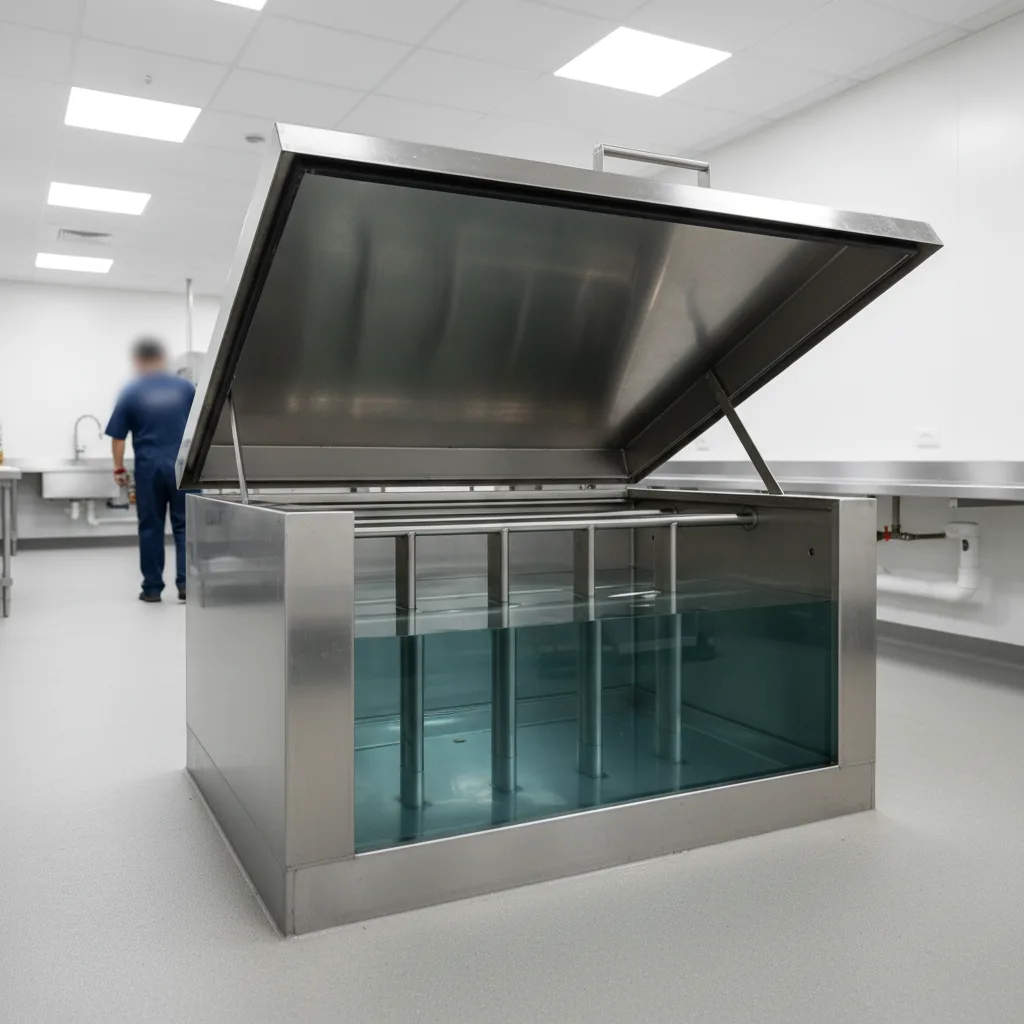
A structured training checklist ensures consistency across shifts and locations. Start with the physical walkthrough — show new employees where the grease trap is located, what it looks like, and how to access the cleanout schedule posted nearby. Many staff members have never seen a grease interceptor and don't understand that what goes down their three-compartment sink travels directly into that system.
Your checklist should include these non-negotiable elements:
Demonstration of proper scraping techniques at dish stations, emphasizing that food solids must go into trash receptacles before any water hits the plate. This single behavior prevents the majority of grease trap clogs and premature pump-outs.
Clear labeling of acceptable disposal points for different waste streams. Fryer oil goes into designated collection containers, never down drains. Dairy products, sauces, and marinades shouldn't be rinsed in bulk down sinks. Prep vegetables and protein trimmings belong in compost or trash bins.
Visual identification of warning signs — pooling water around floor drains, slow sink drainage, unusual odors near the trap location, or gurgling sounds from drain lines. Staff should know exactly who to tell and understand that reporting these observations prevents emergency callouts.
Create station-specific quick reference cards laminated and mounted at dish stations, prep sinks, and fryer areas. Each card should show what can and cannot go down that specific drain type, using photos rather than text whenever possible.
Documentation matters more than you think. Have trainees sign off on completed training modules, and keep those records accessible for health inspectors. Many jurisdictions now require proof of staff education as part of grease trap best management practices, and you'll want that documentation ready during inspections.
Role-Specific Training for Maximum Impact
Generic training fails because a line cook's interaction with grease differs completely from a dishwasher's responsibilities. Segment your training by role to address the specific behaviors that matter most for each position.
Dishwashers and utility staff need intensive focus on pre-scraping protocols and proper use of disposal equipment. They should understand that scraping plates isn't about getting them "clean enough" for the machine — it's about keeping solids and FOG out of your drainage system entirely. Show them the cost difference between a routine pump-out and an emergency backup response. That context changes behavior faster than any rule.
Prep cooks and line cooks require training on equipment maintenance and proper disposal of cooking oils. They need to know when fryer oil has reached disposal temperature, how to safely transfer it to collection drums, and why cooling oil before transport matters. These employees should also understand that "a little bit" of oil down the drain multiplies across dozens of shifts and creates the coating that eventually blocks your system.
The most expensive grease trap problems start with staff members who thought what they poured down the drain "wasn't enough to matter."
Management and shift leaders need training on monitoring compliance, reviewing service logs, and recognizing when your grease trap maintenance schedule needs adjustment. These team members should know how to read pump-out reports, understand what "25% capacity" means in practical terms, and identify patterns that suggest training gaps on specific shifts.
Creating Accountability Systems That Work
Training without accountability creates knowledge without behavior change. Build simple verification systems into your daily operations so compliance becomes routine rather than optional.
Pre-shift meetings should include a 60-second grease management reminder, rotating through different aspects of proper protocol. Monday might focus on scraping, Wednesday on oil disposal, Friday on reporting drainage issues. This repetition keeps awareness high without feeling like nagging.
Assign grease management champions on each shift — someone responsible for monitoring compliance and coaching peers who slip into bad habits. This distributed responsibility prevents the "not my job" mentality that allows problems to develop unnoticed.
Never discipline an employee for reporting a potential grease trap problem. Staff members who fear blame for slow drains or backups will hide issues until they become emergencies. Reward early reporting with recognition, not punishment.
Daily cleaning checklists should incorporate grease management checkpoints — verifying that collection containers aren't overfilled, confirming floor drains show no standing water, and noting any unusual odors. When these observations become part of closing procedures, problems get caught before they escalate.
Ongoing Training and Skills Reinforcement
Initial onboarding covers the basics, but retention requires reinforcement. Schedule quarterly refresher sessions that review common mistakes observed during recent shifts and celebrate improvements in trap performance metrics.
Use real data from your service provider to show impact. When your pump-out frequency decreases or your service technician reports cleaner trap conditions, share that win with the team and connect it directly to their improved practices. Staff members respond to evidence that their efforts matter.
Bring in your grease trap service provider for an annual training session. Hearing directly from the professionals who pump your trap adds credibility and often reveals practical insights your internal training missed. Many service companies offer this as a value-added service at no additional cost.
Update your training materials whenever you modify kitchen layouts, add new equipment, or change disposal procedures. Outdated training creates confusion and undermines the authority of your entire program.
Frequently Asked Questions
How often should restaurant staff receive grease trap training?
New employees should receive comprehensive training during onboarding, with refresher sessions conducted quarterly for all staff. Additional training should occur whenever you observe compliance issues, after any grease-related incident, or when installing new kitchen equipment that affects drainage systems. Annual sessions with your service provider reinforce best practices and address emerging concerns.
What's the biggest mistake untrained staff make with grease traps?
The most common and costly error is assuming small amounts of grease won't cause problems. Staff members routinely rinse "just a little" oil from pans, dump small quantities of sauce down sinks, or skip scraping because plates "aren't that dirty." These incremental deposits accumulate rapidly and account for the majority of preventable grease trap failures and emergency service calls.
Should kitchen staff be involved in actual grease trap cleaning?
No. Commercial grease trap cleaning requires specialized equipment, proper disposal methods, and knowledge of safety protocols that kitchen staff don't possess. Staff should never open or attempt to clean grease traps themselves. Their role is prevention — keeping FOG and solids out of the system — and reporting issues to management who then coordinate with licensed service providers.
How do you keep staff engaged with grease trap protocols during busy shifts?
Make compliance the path of least resistance. Position scrapers and waste bins at every station so proper disposal takes less effort than incorrect shortcuts. Use visual cues like color-coded drain covers and prominent signage at decision points. Recognize and reward consistent compliance during team meetings, and ensure managers model correct behavior even during rush periods when shortcuts seem tempting.
What documentation should you maintain for staff grease trap training?
Keep signed training acknowledgment forms for each employee showing dates and topics covered, attendance records for refresher sessions, and copies of all training materials provided. Document any corrective training following compliance issues and maintain a log of grease-related incidents tied to specific shifts. This documentation proves due diligence during health inspections and provides liability protection if drainage problems occur.
Proper staff training transforms your grease trap from a compliance headache into a well-managed system that protects your operation and your bottom line. The investment in education pays dividends through reduced service costs, fewer emergency repairs, and consistent regulatory compliance. Find verified grease trap services in your area that can partner with your training efforts and keep your system running smoothly.
Get Free Quotes from Local Grease Trap Pros
Tell us about your needs and we'll connect you with a verified contractor in your area. Free, no obligation.
Find verified, local contractors who handle cleaning, pumping, and FOG compliance — in your area.
