Schier Grease Interceptor Review: Models, Sizing, and Pricing Guide

17 May 2026 8 min read No comments Grease Trap Basics
Featured image


Schier grease interceptors dominate commercial kitchens across North America because they offer lifetime warranties, hydromechanical efficiency, and flexible installation options that traditional grease traps can't match. This guide breaks down Schier's model lineup, sizing protocols, and real-world pricing to help you choose the right unit for your operation.

What Makes Schier Grease Interceptors Different

Schier Products manufactures hydromechanical grease interceptors that use flow dynamics rather than simple settling to separate fats, oils, and grease (FOG) from wastewater. Unlike passive grease traps that rely solely on temperature differential, Schier units incorporate internal baffles and vortex chambers that force wastewater through multiple separation stages. This design captures more grease in less space while handling higher flow rates.

The defining feature is Schier's lifetime warranty on the interceptor body. Most manufacturers warranty their units for 3–10 years, but Schier guarantees structural integrity for the life of the installation when properly maintained. This warranty covers the tank shell and internal components against manufacturing defects, though it excludes damage from improper maintenance or chemical cleaners.

50+ Years
Schier's operational history in grease management systems

Schier units meet ASME A112.14.3 and PDI G101 standards — the two certifications plumbing inspectors verify during permit review. PDI certification is particularly critical because it confirms the unit's grease removal efficiency rating. Every Schier model lists its certified grease capacity on the specification sheet, which determines compliance with local plumbing codes.

Schier Model Lineup: GB Series Breakdown

The GB (Great Basin) series represents Schier's core product line, with models sized from 4 to 200 gallons per minute (GPM) flow capacity. Model numbers correspond to grease capacity in pounds, not flow rate, which confuses many first-time buyers. A GB-50 holds 50 pounds of grease, while a GB-250 holds 250 pounds — but their flow capacities differ based on internal configuration.

The GB2 series handles small footprint installations where space is the primary constraint. These compact units install under three-compartment sinks or in tight mechanical rooms. GB2 models range from 10 to 50 pounds grease capacity and accommodate flow rates up to 15 GPM. They're ideal for small cafes, food trucks commissaries, and coffee shops with limited wastewater volume.

GB-75 and GB-100 models serve mid-sized operations — full-service restaurants seating 75–150 guests, institutional kitchens, and multi-tenant food halls. These units handle 20–40 GPM and install either above grade (floor-mounted) or below grade (buried). The GB-75 offers 25% solids capacity, meaning a quarter of the unit's volume captures food particles and sediment before they reach municipal lines.

Best Practice
Match grease interceptor capacity to your kitchen's fixture unit count, not dining room size. A 50-seat restaurant with heavy fryer use needs more capacity than a 100-seat sandwich shop.

GB-250 and larger models address high-volume operations: casino buffets, hospital cafeterias, university dining halls, and stadium concessions. These interceptors process 50–200 GPM and require outdoor installation with vehicle-rated access covers for pump-out trucks. Installation costs escalate significantly at this scale because you're excavating for a tank that weighs 1,500+ pounds empty and requires structural engineering for load-bearing calculations.

How to Size a Schier Grease Interceptor for Your Kitchen

Sizing starts with calculating your kitchen's drainage fixture unit (DFU) count — the sum of all fixtures discharging to the interceptor. Each sink compartment, floor drain, dishwasher, and prep station has an assigned DFU value based on plumbing code. A three-compartment warewash sink typically rates at 3 DFU, while a floor drain rates at 2 DFU. Your total DFU count converts to a required flow rate using the fixture unit to GPM conversion table in the Uniform Plumbing Code.

Once you have your GPM requirement, you cross-reference it against Schier's sizing charts that factor in wastewater temperature. Hot wastewater (above 120°F) requires larger interceptors because heat keeps grease liquified, reducing separation efficiency. Most health departments mandate interceptor sizing at 140°F design temperature for commercial kitchens, which increases required capacity by 25–40% compared to sizing at ambient temperature.

Undersizing a grease interceptor by even one capacity tier triggers maintenance failures within months — not years.

Grease production rate completes the sizing equation. High-fat cooking operations — fried chicken concepts, donut shops, and steakhouses — generate more FOG per meal than salad-focused concepts. Schier's sizing software (available through their dealer network) accounts for menu type, meal volume, and cooking methods to calculate recommended capacity. Most jurisdictions require a licensed plumber or engineer to certify the sizing calculation before issuing permits.

Important
Installing an interceptor smaller than code-required capacity violates plumbing permits and can void your wastewater discharge permit, resulting in fines up to $10,000 per violation in some jurisdictions.

The 0.25-minute retention time rule applies to all Schier installations: wastewater must remain in the interceptor for at least 15 seconds to allow proper separation. This calculation factors into maximum flow rate — you can't simply overload a unit during peak service. Schier's flow control devices (sold separately) restrict inlet flow to maintain retention time compliance even when multiple fixtures discharge simultaneously.

Installation Requirements and Configuration Options

Schier interceptors install in three configurations: under-sink above grade, floor-mounted above grade, and below-grade buried. Under-sink installations suit GB2 models only and require 18 inches of clearance on all sides for maintenance access. The interceptor must sit level within ¼ inch tolerance — any tilt disrupts the internal baffle system and reduces separation efficiency.

Above-grade floor installations work in mechanical rooms, loading docks, or exterior pads where pump-out trucks can access the unit. These installations need concrete housekeeping pads rated for the unit's full weight plus wastewater (multiply dry weight by 2.5 for load calculation). Venting is mandatory: a 2-inch vent line must extend above the roofline to prevent vacuum conditions that pull grease through the outlet.

Below-grade installations require the most extensive site work but hide the interceptor from view. You're excavating a pit sized 18 inches larger than the unit dimensions on all sides, installing a gravel drainage bed, and positioning the tank so the inlet/outlet pipes slope correctly. Schier provides installation drawings specifying exact invert elevations — the measurement from grade to the centerline of each pipe connection. Miss these elevations by more than one inch and you create hydraulic problems that cause backups.

Maintenance Requirements and Service Intervals

Schier interceptors require pump-out service when grease accumulation reaches 25% of total capacity — not when the unit fills completely. Most jurisdictions enforce this 25% rule through quarterly inspections and mandate written maintenance logs. For a GB-75 holding 75 pounds of grease, you're scheduling service at approximately 18 pounds of accumulation. High-volume kitchens hit this threshold in 30–60 days; lower-volume operations may go 90–120 days.

Between pump-outs, daily maintenance involves checking the flow control valve (if installed) and monitoring for unusual odors that signal anaerobic bacteria growth. Weekly tasks include inspecting inlet and outlet connections for leaks and verifying the unit maintains proper water level. The water seal prevents sewer gases from entering the kitchen while maintaining separation efficiency.

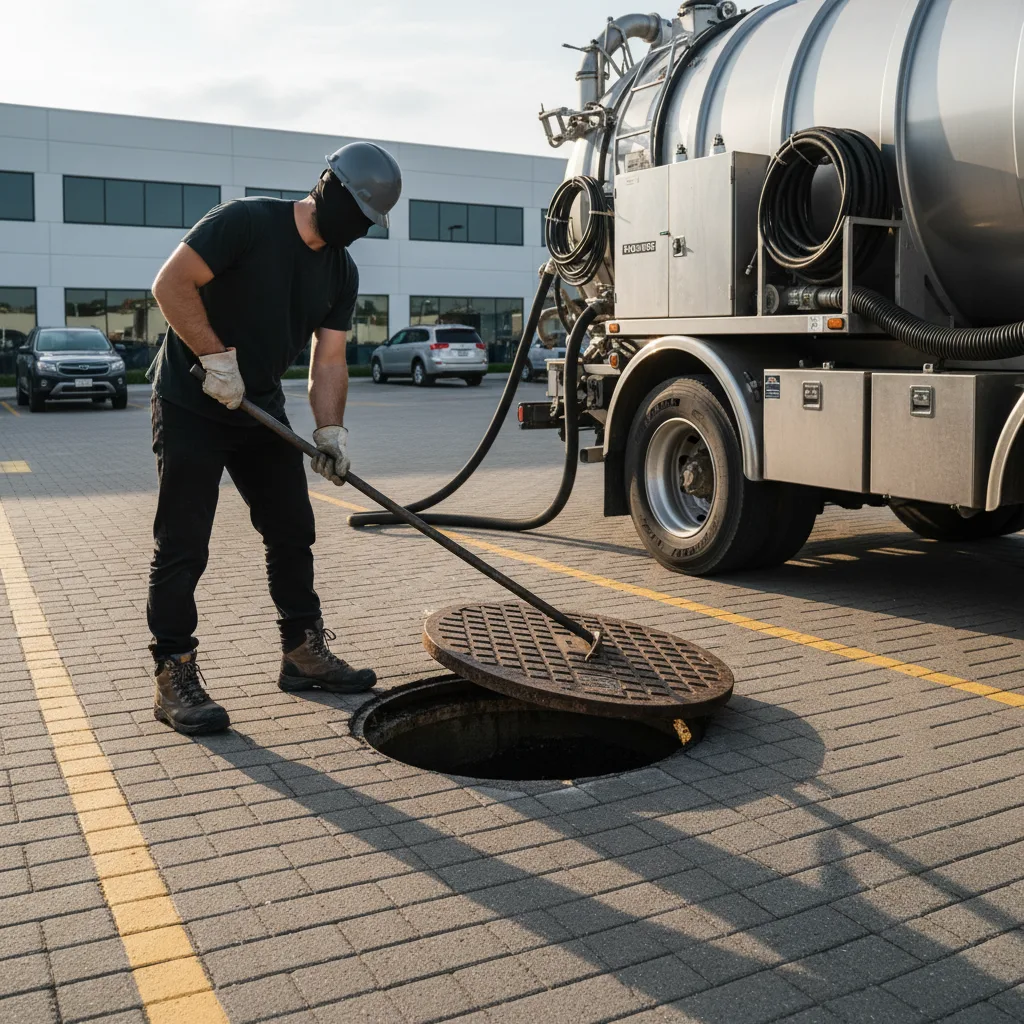
Service companies pump out interceptors using vacuum trucks that extract all contents — grease layer, water, and settled solids. Complete pump-out is critical; partial pumping that removes only the top grease layer leaves solids that harden into concrete-like masses. After extraction, technicians pressure-wash internal baffles and inspect gaskets for wear. Professional service runs $200–$500 per visit depending on unit size and regional disposal fees.

For more insights on grease management compliance, visit the GreasetrapLocator blog.

Schier Grease Interceptor Pricing Guide

Equipment costs range from $1,200 for compact GB2-10 units to $15,000+ for GB-250 interceptors. Mid-range models like the GB-75 typically retail around $3,500–$4,500 through authorized distributors. These prices reflect the interceptor only — not installation labor, permits, or accessories. You'll add another $800–$1,200 for required components: inlet/outlet connection kits, grease sampling ports, flow control devices, and extension risers for buried installations.

Installation costs vary dramatically by configuration. Under-sink above-grade installations run $1,500–$2,500 in labor: two plumbers working half a day to connect inlet/outlet pipes, install venting, and commission the unit. Below-grade installations start at $5,000 and escalate quickly if you're cutting through concrete floors or working in areas with high water tables that require dewatering pumps during excavation.

$8,000–$12,000
Total installed cost for a typical GB-75 in a new restaurant construction project

Permit fees add $200–$800 depending on jurisdiction. Some municipalities charge flat permit fees; others calculate costs as a percentage of project value. Plan review takes 2–6 weeks in most areas, during which the building department verifies your interceptor meets code requirements. Rush permits cost 50–100% more but cut review time to 3–5 business days.

Long-term operating costs center on pump-out frequency. At $300 per service and quarterly intervals, you're budgeting $1,200 annually for a mid-sized interceptor. High-volume operations servicing monthly spend $3,600+ per year. Some service companies offer prepaid contracts that reduce per-visit costs by 15–20% in exchange for annual commitment.

Frequently Asked Questions

How long do Schier grease interceptors last?

Schier grease interceptors last 20–30 years with proper maintenance, and the company backs the tank body with a lifetime warranty. Internal components like baffles and flow directors may require replacement every 10–15 years depending on water chemistry and cleaning practices. The warranty covers manufacturing defects but excludes damage from chemical cleaners or deferred maintenance.

Can I install a Schier grease interceptor myself?

No, licensed plumbers must install Schier grease interceptors to meet code requirements and maintain warranty coverage. Most jurisdictions require master plumber certification for grease interceptor installations, and the work must pass plumbing inspection before receiving occupancy approval. DIY installation voids the warranty and creates liability issues if the unit causes sewer backups or environmental violations.

What's the difference between a grease trap and a Schier grease interceptor?

Grease traps are small passive devices (typically under 50 gallons) installed under sinks, while Schier grease interceptors are larger engineered systems using hydromechanical separation technology. Interceptors handle higher flow rates, capture more grease, and meet commercial kitchen code requirements that basic traps cannot satisfy. Most health departments now mandate interceptors over traps for food service establishments.

How often should a Schier grease interceptor be cleaned?

Schier grease interceptors require professional pump-out when grease accumulation reaches 25% of total capacity, typically every 30–90 days depending on kitchen volume. High-volume operations with heavy fryer use need monthly service, while lower-volume cafes may extend to quarterly intervals. Local ordinances often mandate minimum service frequency regardless of accumulation rate.

Do Schier grease interceptors require electricity?

Standard Schier grease interceptors operate without electricity, using gravity and hydromechanics for separation. Optional accessories like automatic grease removal systems or high-temperature alarms require power connections, but the core interceptor functions passively. This simplicity reduces operating costs and eliminates electrical code requirements for most installations.

Find verified grease trap services in your area at GreasetrapLocator.com.

Grease Trap Locator Editorial Team
Author: Grease Trap Locator Editorial Team

The Grease Trap Locator editorial team covers FOG compliance, grease trap maintenance, and commercial kitchen regulations across the US and Canada. Our guides are written for restaurant owners, facility managers, and food service operators who need practical, accurate information without the fluff.

Need a Licensed Grease Trap Service?

Find verified, local contractors who handle cleaning, pumping, and FOG compliance — in your area.

Find a Verified Contractor
In This Article
Find a Grease Trap Contractor

Search our directory of verified licensed FOG contractors serving your area.