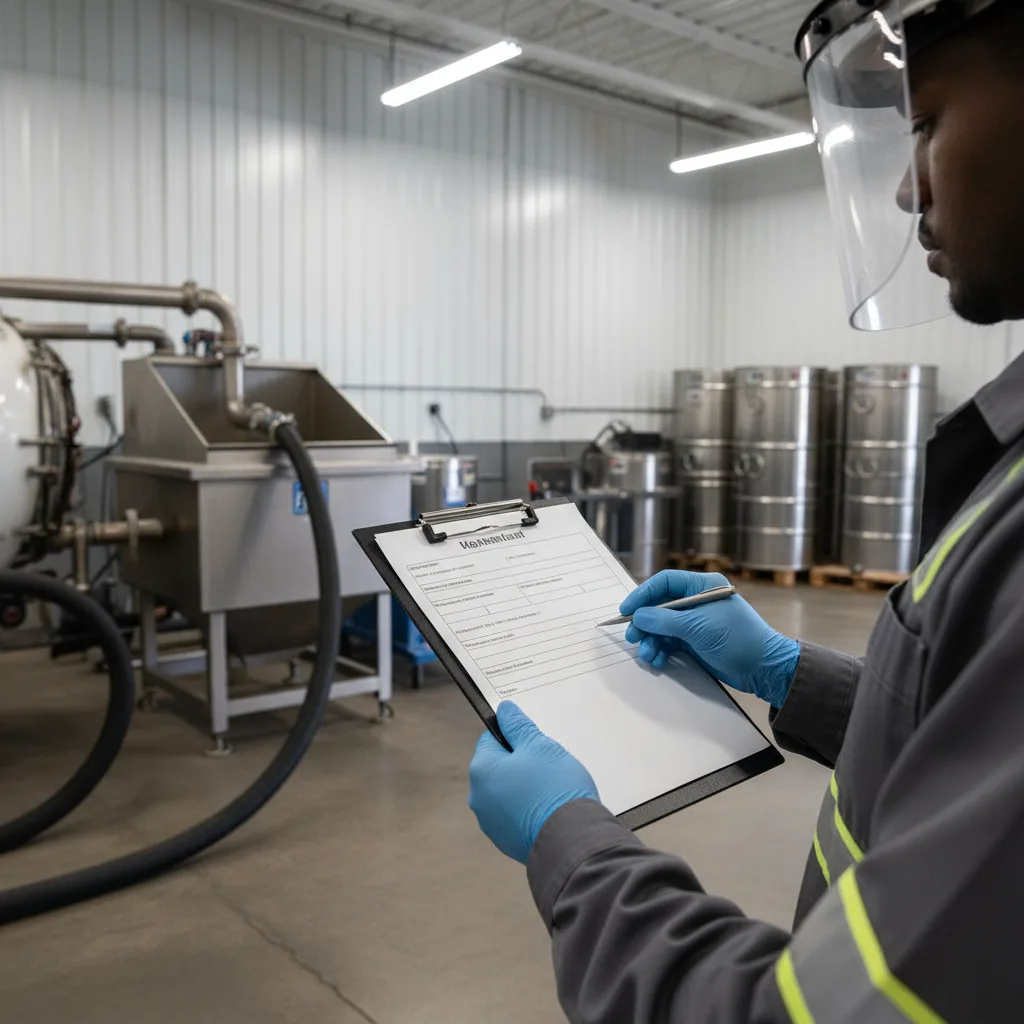
Your monthly grease trap cleaning bill can range anywhere from $75 to over $1,500 — and that variance isn't random. Understanding the specific grease trap cost factors that drive pricing helps you budget accurately, negotiate better service contracts, and avoid unexpected expenses. Here's exactly what determines how much you'll pay and how to control those costs.
1. Trap Size and Capacity
The single biggest driver of cleaning costs is your grease trap's holding capacity, measured in gallons or pounds. A 20-gallon under-sink trap for a small café costs far less to pump than a 1,500-gallon in-ground interceptor serving a full-service restaurant. Most service providers charge by volume, with rates typically ranging from $0.50 to $2.00 per gallon depending on your market.
Larger traps require more time to pump, more hauling capacity, and specialized equipment. A technician can service three small traps in the time it takes to pump one large interceptor. This efficiency difference translates directly to your invoice. If you're unsure whether your current trap is appropriately sized for your operation, reviewing proper grease trap sizing standards can help prevent both oversizing (which increases cleaning costs) and undersizing (which requires more frequent service).
The relationship between trap size and cost isn't always linear. Many providers offer volume discounts for larger traps or implement minimum service charges that make smaller traps proportionally more expensive per gallon. A $150 minimum charge on a 40-gallon trap effectively costs $3.75 per gallon, while that same minimum on a 200-gallon trap drops to $0.75 per gallon.
2. Service Frequency Requirements
How often your trap needs cleaning dramatically affects annual costs. Most municipalities require pumping when the trap reaches 25% capacity, but actual frequency depends on your kitchen's grease output. A breakfast-focused diner generating moderate grease might need quarterly service, while a high-volume wing restaurant could require weekly pumping.
Frequency impacts pricing through several mechanisms. First, many service contracts offer better per-visit rates when you schedule regular maintenance — weekly service often costs 15-20% less per visit than on-demand emergency calls. Second, consistent pumping prevents the trap from reaching critical capacity, which can trigger surcharges for difficult cleanouts or emergency weekend service.
Track your fill rate for 90 days to establish the optimal service interval. Going too long between cleanings creates backup risks and potential surcharges; scheduling too frequently wastes money on unnecessary service calls.
Your service contract structure matters here. Fixed monthly fees provide budget predictability but may include service you don't need. Pay-per-service models offer flexibility but expose you to price fluctuations and availability issues during peak demand periods. Most operators find that scheduled quarterly or monthly service with clearly defined per-gallon pricing offers the best balance.
3. Geographic Location and Travel Distance
Your location influences costs in two distinct ways: regional market rates and distance from the service provider's facility. Urban markets with multiple competing providers typically see lower baseline rates than rural areas with limited service options. A trap cleaning in Manhattan might run $200 for service that costs $450 in a remote Wyoming town — not because of higher underlying costs, but due to limited provider availability.
Travel distance adds tangible expenses. Providers must account for fuel, vehicle maintenance, and technician time spent traveling to and from your site. Most companies establish service zones and apply trip charges or minimum visit fees for locations beyond a certain radius. Expect to pay $50-150 in additional fees if you're more than 20-30 miles from the provider's base of operations.
Distance-related fees aren't negotiable in most cases, but consolidating service with other nearby restaurants can sometimes unlock route-based discounts that offset travel costs.
Local regulations also create regional cost variations. Some municipalities require licensed haulers to use specific disposal facilities or obtain special permits, adding administrative costs that get passed to customers. California's stringent waste disposal requirements, for example, typically result in 20-30% higher service costs compared to states with more relaxed regulations.
4. Trap Accessibility and Installation Type
The physical accessibility of your grease trap significantly impacts labor costs. An indoor under-sink trap with clear access requires 30-45 minutes to service. An in-ground outdoor interceptor buried under asphalt with a rusted lid might require 2-3 hours and specialized equipment to access and clean properly.
Installation type creates distinct pricing tiers. Under-sink traps are the least expensive to service because they're small and accessible. Outdoor in-ground interceptors cost more due to size but are relatively straightforward. The most expensive scenarios involve traps in difficult locations: basements requiring hose runs up multiple flights of stairs, interceptors under parking lots requiring traffic control, or traps with damaged access points needing repair before service can begin.
Deferred maintenance on access lids, frames, and surrounding infrastructure creates compounding costs. A $50 lid replacement now prevents a $300 emergency access surcharge later when the rusted lid breaks during a routine service call.
Some providers charge flat accessibility fees, while others bill hourly for additional labor. Before signing a service agreement, have the provider inspect your trap installation and provide written documentation of any accessibility challenges that might affect pricing. This prevents disputes when the actual service cost exceeds the initial quote.
5. Waste Disposal and Hauling Regulations
What happens to your grease after it leaves your property represents a significant cost component you may not see itemized. Service providers must transport waste to approved facilities, pay tipping fees, and maintain compliance with local and federal waste disposal regulations. These costs vary dramatically by region and directly impact what you pay.
Disposal fees range from $30 to $200 per load depending on your location and the receiving facility's requirements. Some progressive municipalities operate rendering facilities that convert FOG (fats, oils, and grease) into biodiesel, offering lower tipping fees. Others require disposal at standard waste treatment facilities with higher fees and stricter acceptance criteria.
Transportation distance to approved disposal sites matters too. A provider 10 miles from a receiving facility operates more efficiently than one that must drive 60 miles each way. Those fuel costs, vehicle wear, and time expenses get incorporated into your service rate. Understanding your local waste infrastructure helps explain why pricing varies between seemingly similar markets.
6. Service Provider Business Model and Overhead
Not all grease trap service companies operate with the same cost structure, and those differences appear in your bill. National franchise operations typically charge premium rates but offer consistent service standards, 24/7 availability, and comprehensive insurance coverage. Regional independent providers often deliver lower base rates but may have limited after-hours support or backup capacity during equipment failures.
Provider overhead significantly influences pricing. Companies investing in modern pump trucks with GPS tracking, automated scheduling systems, and extensive employee training operate with higher fixed costs than bare-bones operations running older equipment. You're not just paying for waste removal — you're paying for reliability, compliance documentation, regulatory expertise, and risk mitigation.
Comparing grease trap cleaning costs across providers requires understanding what's included. Does the quoted rate cover full cleaning and inspection, or just pumping? Are disposal fees included or billed separately? Does the provider supply compliance documentation for health department inspections? The cheapest headline rate often includes the fewest services.
Request itemized quotes from 3-5 providers showing base service rate, disposal fees, travel charges, and any additional costs. This apples-to-apples comparison reveals the true total cost better than a single bundled rate.
7. Trap Condition and Maintenance History
A well-maintained trap costs less to service than a neglected one. Regular cleaning prevents hardened grease accumulation that requires additional labor to remove. Traps serviced consistently every 30-90 days pump cleanly in 30-45 minutes. Traps left for 6-12 months develop solidified layers requiring scraping, multiple pump cycles, and sometimes hydro-jetting — all billable services.
Your maintenance history directly correlates with service costs through several factors. Neglected traps often need emergency service at premium rates when they overflow or create odor complaints. They're more likely to have damaged baffles, cracked walls, or deteriorated gaskets requiring repair. Each service call for a poorly maintained trap takes longer, uses more resources, and costs more than routine maintenance on a properly managed system.
Proactive maintenance includes simple steps that reduce cleaning costs: scraping plates before dishwashing to minimize solids, using drain screens to catch food particles, and scheduling service before reaching critical capacity. These practices extend the time between cleanings, reduce labor requirements during service, and prevent the costly failures that trigger emergency calls and regulatory violations.
Frequently Asked Questions
How can I reduce my grease trap cleaning costs without cutting service frequency?
Focus on reducing grease volume entering the trap through better kitchen practices. Train staff to scrape food waste into trash rather than down drains, install point-of-use strainers at all sinks, and properly dispose of fryer oil rather than pouring it down drains. These steps can reduce fill rates by 20-30%, allowing you to extend service intervals while maintaining compliance. Additionally, ensure clear access to your trap — removing obstacles that slow technician work can reduce labor charges on each visit.
Are there hidden fees I should watch for in grease trap service contracts?
Common hidden costs include fuel surcharges that fluctuate with diesel prices, disposal fees billed separately from pumping charges, after-hours or weekend service premiums, and accessibility fees for difficult trap locations. Some contracts include price escalation clauses allowing annual rate increases. Always request a fully itemized quote showing every potential charge, and ask providers to specify which fees are fixed versus variable. Contracts should also clarify who pays for trap repairs if damage is discovered during routine service.
Does trap size always determine cleaning frequency, or are other factors involved?
Trap size establishes maximum capacity, but your kitchen's grease production determines actual fill rate. A 500-gallon trap serving a salad-focused restaurant might need quarterly cleaning, while the same trap under a fried chicken restaurant could require weekly service. Menu composition, customer volume, kitchen practices, and food preparation methods all influence how quickly your trap reaches the 25% capacity threshold requiring service. Track your actual fill rate over 60-90 days rather than relying on trap size alone to set service schedules.
Can I negotiate better rates with grease trap service providers?
Yes, especially if you can offer value to the provider. Multi-year contracts typically unlock 10-15% discounts versus month-to-month agreements. Bundling multiple locations provides leverage for volume pricing. Flexible scheduling — allowing the provider to service your trap when convenient for their route optimization — can reduce costs. Payment terms matter too; some providers offer small discounts for annual prepayment versus monthly invoicing. However, avoid choosing providers based solely on price; reliability and regulatory compliance are worth paying modest premiums to ensure.
How do emergency cleanings compare in cost to scheduled maintenance?
Emergency service typically costs 50-100% more than scheduled maintenance due to after-hours labor rates, immediate dispatch requirements, and disruption to the provider's planned routes. A routine $200 cleaning might cost $350-400 as an emergency weekend call. Beyond direct service costs, emergency situations often involve backup or overflow requiring additional cleaning of drain lines, floor areas, or outdoor spaces. The total cost of a grease trap emergency — including potential health code violations, temporary closure risk, and reputation damage — far exceeds the savings from delaying routine maintenance.
Understanding these seven grease trap cost factors gives you the knowledge to budget accurately, identify cost-saving opportunities, and evaluate service providers effectively. While you can't control regional disposal fees or basic equipment requirements, you can optimize maintenance schedules, improve kitchen practices, and ensure trap accessibility to minimize expenses. Smart management of these controllable factors typically reduces annual costs by 15-25% compared to reactive, emergency-driven approaches.
Ready to find reliable, competitively priced grease trap service in your area? Find verified grease trap services in your area through our directory of licensed, insured providers serving commercial kitchens across North America.
Find verified, local contractors who handle cleaning, pumping, and FOG compliance — in your area.
