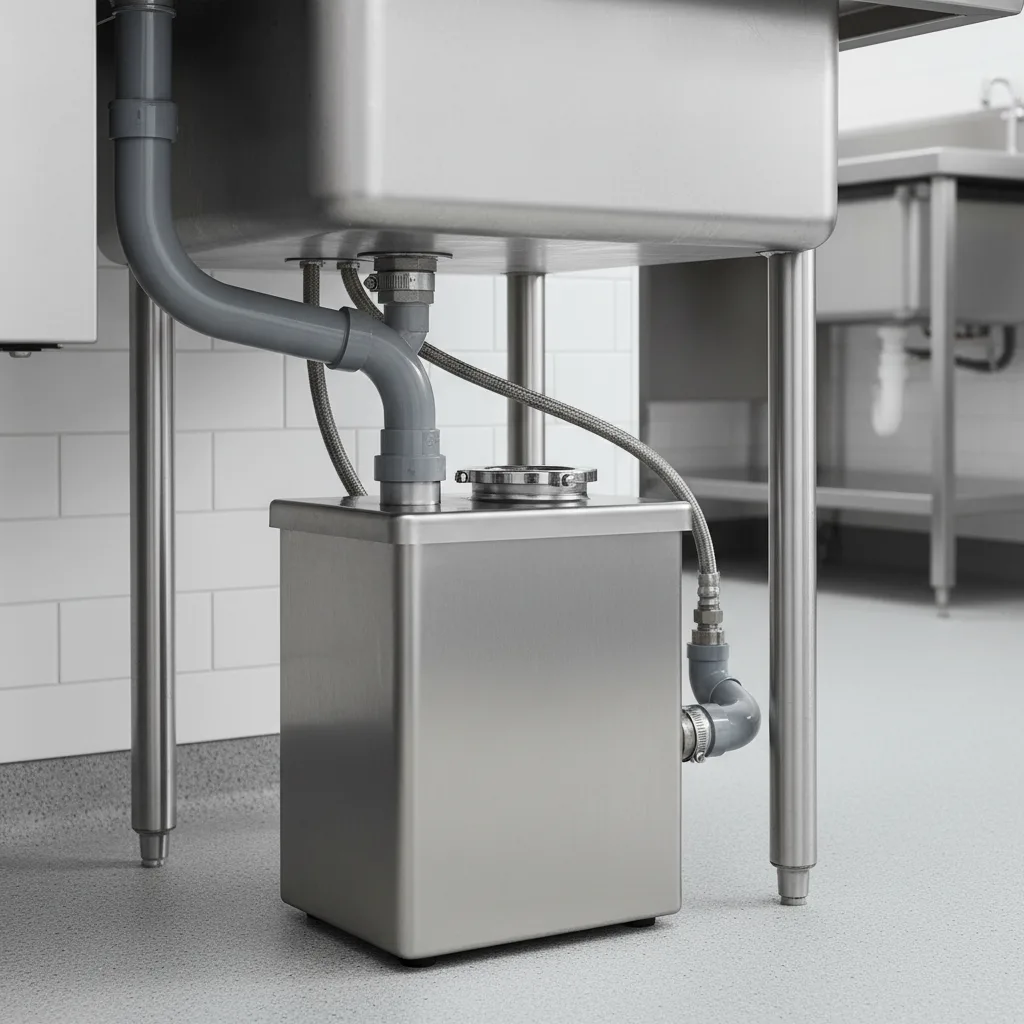
A grease trap slow drain is one of the earliest warning signs that your system needs attention — and ignoring it can lead to full blockages, health code violations, and costly emergency callouts. If water is pooling in your sinks, draining sluggishly, or backing up during peak service hours, your grease trap is telling you something. This guide explains the most common causes, what you can troubleshoot yourself, and when it's time to bring in a professional.
Why Grease Traps Drain Slowly: The Root Causes
Slow drainage from your grease trap rarely happens overnight. It's the result of gradual buildup, improper maintenance, or design limitations that finally reach a tipping point. Understanding the underlying issue helps you respond faster and avoid recurring problems.
The most common culprit is excessive FOG accumulation — fats, oils, and grease that have solidified in the trap and reduced its effective capacity. When the trap reaches 25% capacity or higher, water flow becomes restricted. This is why regular grease trap maintenance emphasizes proactive pumping schedules rather than waiting for symptoms to appear.
Solid debris also plays a major role. Food particles, coffee grounds, and other organic matter settle at the bottom of the trap and form a dense sludge layer. Over time, this layer hardens and creates a physical barrier that prevents proper water flow. Kitchens that scrape plates directly into sinks rather than waste bins see this problem accelerate significantly.
Cold weather conditions can worsen drainage issues. Grease that remains liquid at normal temperatures solidifies faster when ambient or water temperatures drop. Outdoor grease traps or those in poorly insulated areas are especially vulnerable during winter months. The congealed grease restricts flow even when the trap isn't technically at capacity.
Venting problems also contribute to slow drainage. Grease traps require proper air circulation to function correctly. If the vent is blocked by debris, grease buildup, or even pest nests, negative pressure builds up in the system and impedes water flow. You'll often notice gurgling sounds alongside the slow drain when venting is the issue.
Warning Signs Beyond Slow Drainage
A grease trap slow drain rarely occurs in isolation. Pay attention to related symptoms that indicate the severity of the problem and help you decide whether immediate professional intervention is necessary.
Foul odors are typically the first companion symptom. As organic matter decomposes in the trap, it releases hydrogen sulfide and other gases that smell like rotten eggs. If you're noticing both slow drainage and persistent grease trap odors, your trap is likely overdue for pumping and may have bacterial overgrowth.
Complete backups into prep sinks or floor drains indicate a critical blockage. This requires immediate professional attention and may constitute a health code violation if left unresolved.
Visible grease on the water surface is another red flag. While a thin film is normal in functioning traps, thick layers of floating grease indicate the trap has exceeded its separation capacity. Water flowing through at this stage carries grease directly into your drain lines, setting up downstream clogs.
Unusual sounds during drainage suggest air displacement issues. Gurgling, bubbling, or hissing noises often mean the trap is struggling to equalize pressure as water enters. This can stem from venting problems or severe blockages that prevent smooth water flow through the system.
Quick Troubleshooting Steps You Can Try First
Before calling a service provider, there are several diagnostic steps kitchen staff can safely perform. These won't solve deep-seated problems but can help identify simple issues or provide temporary relief during peak hours.
Check the inlet and outlet connections for obvious blockages. Sometimes a rag, large food particle, or congealed grease plug sits right at the entry or exit point. If you can safely remove debris without disassembling the trap, this may restore partial flow. Always wear appropriate PPE and follow your facility's safety protocols.
Pour hot (not boiling) water through drains connected to the grease trap to temporarily liquify surface grease. This buys time until professional service arrives but is not a substitute for proper pumping.
Inspect the vent opening if accessible. Clear away any visible debris, leaves, or other obstructions. A blocked vent creates back-pressure that mimics a full trap, so restoring airflow can sometimes resolve drainage issues immediately.
Review recent kitchen practices. Has your team changed how they dispose of waste? Are scrapers being used before washing? Sometimes slow drainage correlates directly with operational changes that increase the solid load entering the trap. Reinforcing proper scraping protocols can prevent recurrence once the trap is serviced.
Document what you observe. Note the severity of the slow drain, when it's worst (morning, evening, after specific prep activities), and any associated symptoms. This information helps service technicians diagnose the problem faster and may reveal patterns that point to systemic issues rather than simple maintenance needs.
When DIY Isn't Enough: Calling Professional Service
Some grease trap slow drain situations require professional equipment, expertise, and disposal capabilities that go beyond in-house maintenance. Recognizing these scenarios prevents minor issues from escalating into emergencies.
If your trap hasn't been pumped in 90 days or shows visible grease levels above the baffle, schedule service immediately. Waiting for complete failure costs significantly more than routine maintenance.
Call a licensed service provider immediately if you experience complete backups, especially during operating hours. This represents both a health hazard and potential code violation. Many commercial kitchen insurance policies require documented proof of emergency response in these situations, and delays can complicate claims if property damage occurs.
Recurring slow drainage after recent pumping indicates a problem beyond simple FOG accumulation. The trap itself may have structural damage, improper sizing for your kitchen's output, or downstream line issues that prevent proper flow. Professional technicians can perform camera inspections to identify these hidden problems.
If you notice grease in floor drains or areas not directly connected to food prep, your trap may be overflowing or bypassing. This requires immediate attention as it indicates system failure. Grease entering the municipal sewer system can result in substantial fines in addition to the service costs for remediation.
According to industry standards, most commercial kitchens should schedule pumping every 30-90 days depending on volume. Facilities that consistently experience slow drainage before their scheduled service date need capacity assessment. A properly sized trap should handle your kitchen's output for the entire service interval without symptoms. When you follow an appropriate emergency response protocol, you minimize downtime and protect your operation from violations.
Preventing Slow Drains: Long-Term Solutions
Addressing the immediate drainage issue solves today's problem, but prevention protocols protect your operation from recurring disruptions and the expenses that come with emergency service calls.
Implement strict pre-rinse protocols. All plates, pans, and cooking equipment should be scraped into waste bins before washing. This single practice can reduce solid buildup in your trap by 60-70% and extend the effective time between service appointments.
Train all kitchen staff on what can and cannot go down drains. Post visual guides at dishwashing stations showing prohibited items: coffee grounds, rice, pasta, and other expansion-prone materials.
Establish a regular pumping schedule based on your actual usage patterns, not arbitrary timelines. Work with your service provider to analyze how quickly your trap reaches capacity. High-volume kitchens may need service every 2-3 weeks, while lower-volume operations might extend to 12 weeks safely. The key is consistency and documentation.
Consider enzyme or bacterial treatments between pumping services. These biological additives help break down FOG and organic matter naturally, maintaining better flow between professional cleanings. Choose products specifically designed for commercial grease traps and follow manufacturer dosing instructions carefully.
Maintain detailed service logs. Document every pumping, note any issues the technician identifies, and track patterns over time. This creates accountability, helps with regulatory compliance, and provides data for capacity planning if your operation expands or changes menu offerings.
Frequently Asked Questions
How long can I operate with a slow-draining grease trap before it becomes an emergency?
There's no safe answer to this question because deterioration accelerates unpredictably. A slow drain can become a complete blockage within hours during high-volume periods. Schedule service within 24-48 hours of noticing symptoms to avoid operational disruptions. Continuing to operate with known drainage issues increases your liability if backups cause health code violations or property damage.
Can I use chemical drain cleaners to clear a slow grease trap?
No. Chemical drain cleaners damage grease trap components, kill beneficial bacteria if you use biological treatments, and create hazardous conditions for service technicians. They also don't address the root cause — FOG accumulation — and may push blockages deeper into your drain lines. Always use mechanical cleaning and proper pumping instead.
Will installing a larger grease trap solve recurring slow drain problems?
Sometimes, but not always. If your current trap is undersized for your kitchen's output, upgrading capacity helps. However, if the issue stems from poor maintenance practices, inadequate pre-rinsing, or downstream line problems, a larger trap simply delays the same symptoms. Have a professional assess your specific situation before investing in new equipment.
How much does emergency grease trap service cost compared to scheduled maintenance?
Emergency service typically costs 50-100% more than scheduled appointments due to after-hours rates, rush fees, and the additional labor often required to clear severe blockages. You'll also face potential costs from lost revenue during downtime, health department fines if violations are cited, and possible water damage remediation if backups affect your facility. Prevention is significantly cheaper than reaction.
Should I shut down kitchen operations if the grease trap is draining very slowly?
If drainage is severely compromised but not completely blocked, you may be able to continue limited operations while awaiting service — but check your local health codes first. Some jurisdictions require immediate shutdown when grease trap malfunctions affect sanitation. At minimum, stop using affected sinks and adjust your service flow to prevent overwhelming the system. Document everything and prioritize getting professional service scheduled immediately.
A grease trap slow drain is your system's way of asking for help before a crisis develops. Respond promptly, maintain consistent service schedules, and train your team on proper waste disposal practices. These steps protect your operation from costly downtime and keep your kitchen running smoothly. Find verified grease trap services in your area at https://www.greasetraplocator.com and connect with licensed professionals who can restore proper drainage and prevent future problems.
Find verified, local contractors who handle cleaning, pumping, and FOG compliance — in your area.
