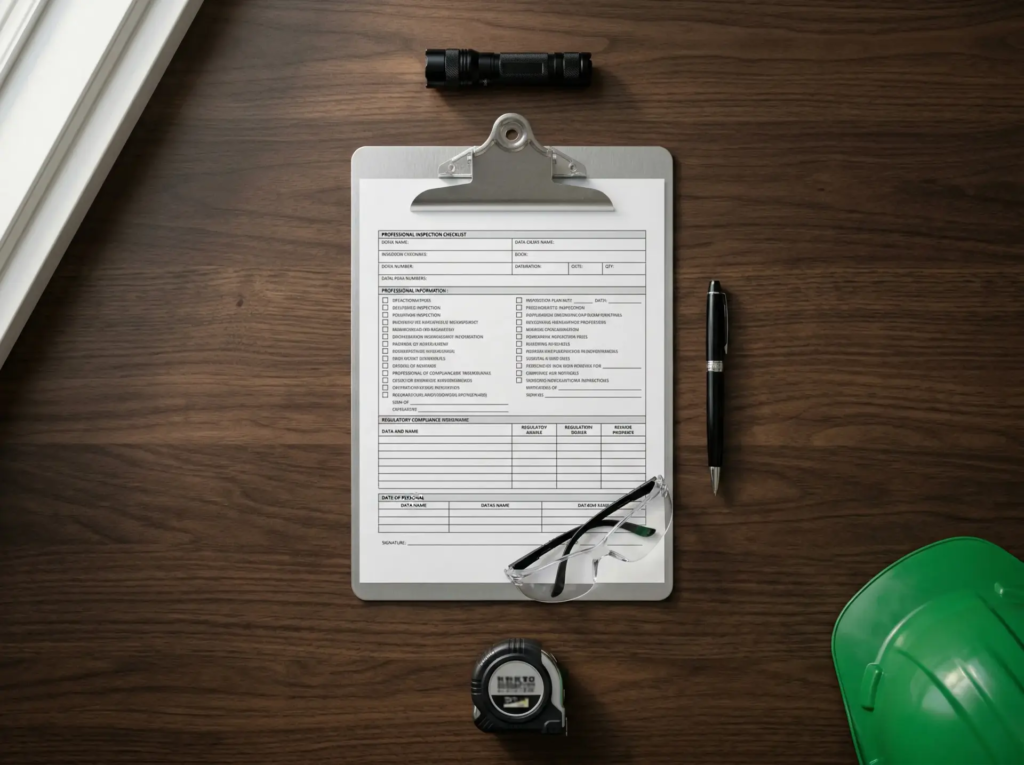

FOG compliance — fats, oils, and grease management — is one of the most consistently enforced regulatory areas for commercial food service operators. It's not a health department concern; it's a wastewater and environmental issue. The agency that issues your food service permit is usually not the same agency that inspects your grease interceptor. And that means operators sometimes discover compliance problems only after receiving a notice of violation.
This guide covers what FOG compliance actually requires, who enforces it, what inspectors look for, and how to build a documentation system that holds up under scrutiny. For a broader overview of grease trap basics, see the complete guide to grease traps.
What Is FOG and Why Municipalities Regulate It
FOG stands for fats, oils, and grease — the byproducts of commercial food preparation. Every kitchen generates it: rendered fat from proteins, cooking oil, butter, sauces, salad dressings. When this waste enters wastewater systems, it cools, solidifies, and accumulates on the interior walls of sewer pipes.
FOG violations are not warnings — most municipalities issue fines on first offense. Repeat violations can result in mandatory reinspection programs, increased service frequency requirements, and in extreme cases, facility closure.
The downstream consequences are significant. FOG buildup restricts sewer pipe capacity and, over time, causes sewer overflows — raw sewage discharged into streets, waterways, or neighboring properties. Municipalities spend millions annually clearing grease-clogged infrastructure. Industry sources estimate FOG contributes to roughly half of all sanitary sewer overflows in the United States.
FOG control programs are the municipal response. They require commercial kitchens to capture and properly dispose of FOG before it enters the sewer — using grease interceptors, proper waste manifesting, and documented service records. The legal authority comes from local wastewater ordinances, not health codes. Enforcement is typically handled by the local public works or wastewater utility.
Which Food Service Operations Must Comply
Most FOG ordinances apply to any commercial food service establishment (FSE) discharging to the municipal sewer system. The definition of FSE is broad. It typically includes:
- Restaurants, cafes, and fast food operations
- Hotel and motel kitchens
- School and institutional cafeterias
- Hospital and healthcare food service
- Caterers and commissaries
- Bars and clubs with food preparation
- Food processing and manufacturing facilities
- Grocery stores with prepared food departments
Some jurisdictions exempt operations with minimal FOG output — a coffee shop that serves no food, for instance, might qualify for a variance. But the burden is generally on the operator to apply for and receive a written exemption, not to assume one. When in doubt, contact your local wastewater authority directly.
Core FOG Compliance Requirements
While specific requirements vary by municipality, most FOG programs include the same core elements:
Grease Interceptor Installation
Commercial food service operators are generally required to install an approved grease interceptor sized to handle their kitchen's wastewater output. Size is determined by flow rate and required retention time — not by kitchen square footage. An undersized interceptor fails compliance even if it's functioning. See the complete grease trap guide for sizing fundamentals.
Regular Cleaning and Maintenance
The standard cleaning threshold is when FOG and solids reach 25% of the interceptor's total capacity. Many ordinances also set minimum service frequencies regardless of fill level — commonly quarterly for large outdoor tanks, more frequently for smaller under-sink units. Some jurisdictions require monthly service for high-volume operations.
Service must be performed by a licensed waste hauler, not kitchen staff. DIY cleaning of small under-sink traps may be permitted in some jurisdictions but the waste still requires licensed disposal.
Waste Manifesting and Disposal
When a licensed hauler services your trap, they're required to generate a service manifest — a document that records the date, volumes removed, hauler identity, and disposal destination. You receive a copy. The hauler retains a copy. The disposal facility receives a copy. This chain of documentation is your compliance record.
Grease waste must be transported to an approved facility — rendering plants, biodiesel processors, or permitted waste facilities. Improper disposal (dumping in dumpsters, storm drains, or unused lots) constitutes a separate and serious violation.
Record Retention
Most FOG ordinances require operators to retain service manifests for a minimum period — typically three years. Records must be available for inspection on request. Inability to produce records is itself a violation in many jurisdictions, even if service has been performed.
Permitting
Many municipalities require a grease interceptor permit separate from a business or food service permit. This permit confirms your interceptor has been reviewed and approved for your operation's flow rate. Operating without a current permit — or installing a new interceptor without pulling a permit — is a violation.
The Inspection Process: What Inspectors Look For
FOG inspections are typically conducted by wastewater utility inspectors, not health department staff. They may be scheduled or unannounced. In jurisdictions with active FOG programs, commercial food service establishments are inspected periodically — annually in many cases, more frequently if there's a history of violations.
During an inspection, the inspector will typically:
- Verify the interceptor is installed and accessible
- Measure the depth of FOG and solids to assess fill level
- Review service records and manifests
- Confirm the hauler is licensed and disposal is to an approved facility
- Check for grease discharge to the sewer downstream of the interceptor
An interceptor at or above 25% capacity at the time of inspection is typically an automatic violation. An interceptor that was recently serviced but has no manifests to prove it is also a violation. Documentation is as important as the physical condition of the equipment.
Consequences of Non-Compliance
Non-compliance consequences vary by jurisdiction and severity, but typically follow a graduated enforcement structure:

- Notice of violation (NOV): A written notice documenting the specific violation, with a required corrective action and deadline.
- Administrative fines: Assessed per violation or per day of continued non-compliance. Fine ranges vary widely by municipality — from modest amounts for first offenses to significant daily penalties for ongoing violations.
- Required emergency service: The municipality may mandate an immediate pump-out at the operator's expense.
- Permit suspension: Suspension of the interceptor permit or business permit in cases of repeated or severe violations.
- Forced closure: In extreme cases, food service operations can be ordered closed until compliance is restored.
The financial exposure from a compliance failure isn't just the fine — it's the emergency service costs, operational downtime, and potential damage to your sewer lateral from grease buildup that you're responsible for. Consistent compliance is significantly cheaper than reactive remediation.
For a deeper breakdown of regulations by region, see grease trap regulations by state and region.
Building a FOG Compliance Program
A compliance program doesn't need to be complex. It needs to be consistent and documented. The basics:

Scheduled Service
Set a recurring service schedule with a licensed hauler before you need it. Don't wait until the trap is full or you receive a notice. High-volume kitchens should establish weekly or biweekly service for smaller units; quarterly for large interceptors is appropriate for many operations, but confirm your local ordinance's minimums.
Record Organization
Keep a dedicated folder — physical or digital — for service manifests. File each one after service. When an inspector arrives, you should be able to produce three years of records within minutes. For a full maintenance and record-keeping framework, see the grease trap maintenance guide.
Staff Best Practices
Train kitchen staff to scrape plates and cookware before washing. Avoid pouring cooking oil down drains — use sealed containers for used fryer oil and arrange pickup with a licensed cooking oil recycler. These practices reduce FOG load and extend the intervals between pump-outs.
Contractor Vetting
Your hauler's license is your license. If they're not permitted, your manifests won't satisfy an inspector. Verify your service provider holds a current state waste hauler permit. See how to choose a grease trap company for a full vetting checklist.
Operators in markets like texas/dallas/">Dallas, TX have access to numerous licensed FOG contractors. In smaller markets, options are more limited — which makes advance vetting more important, not less.
Frequently Asked Questions
The single most effective compliance action is scheduling service before you are required to, not after. Proactive operators rarely face fines; reactive operators consistently do.
What does FOG compliance mean for a restaurant?
FOG compliance means meeting your municipality's fats, oils, and grease control requirements: having an approved, properly sized grease interceptor installed, maintaining it on schedule using a licensed hauler, retaining service manifests, and making records available for inspection. The specific requirements vary by jurisdiction, but these are the core elements found in most FOG ordinances across North America.
Who enforces FOG regulations?
FOG compliance is typically enforced by the local wastewater authority or public works department — not the health department. Many operators don't realize this and only discover the issue when they receive a notice from an agency they've never dealt with. The wastewater authority issues interceptor permits and conducts inspections independently of food service licensing.
How long do I need to keep grease trap service records?
Most FOG ordinances require a minimum of three years of service records to be retained and available for inspection. Some jurisdictions require records dating back further. Keep your service manifests organized — inability to produce records is treated as a compliance violation in many municipalities, regardless of whether the actual service was performed.
Can I clean my own grease trap?
Some jurisdictions permit operators to clean small under-sink grease traps themselves, but the removed waste still requires licensed disposal — you can't legally dispose of it as ordinary trash. In most cases, regulatory guidance strongly favors using licensed waste haulers for all FOG service, both to ensure proper disposal and to generate the manifests that constitute your compliance record. Check your local ordinance for specifics.
What is a FOG ordinance?
A FOG ordinance is a local law, typically adopted by a city or county, that establishes requirements for fats, oils, and grease management in commercial food service operations. FOG ordinances define which establishments must comply, what equipment is required, how often it must be serviced, what records must be kept, and what penalties apply for violations. Ordinances vary significantly between municipalities — what's required in one city may differ from the next.
Find verified grease trap contractors in your area — Search the Grease Trap Locator directory

Author: Grease Trap Locator Editorial Team
The Grease Trap Locator editorial team covers FOG compliance, grease trap maintenance, and commercial kitchen regulations across the US and Canada. Our guides are written for restaurant owners, facility managers, and food service operators who need practical, accurate information without the fluff.
Find local contractors who handle cleaning, pumping, and FOG compliance — in your area.