How Much Does Grease Trap Cleaning Cost? A Complete Price Guide

8 Mar 2026 8 min read No comments Pricing & Costs
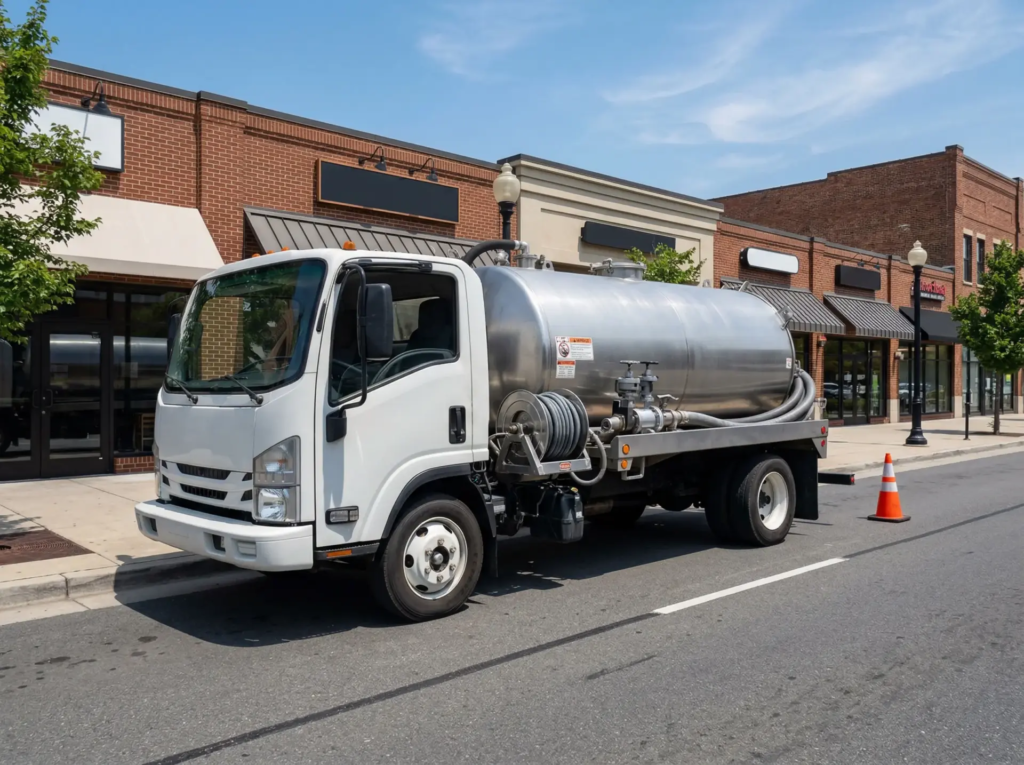
Featured image


Grease trap cleaning costs vary more than most operators expect. A small indoor interceptor serviced on schedule costs dramatically less than a large outdoor tank that hasn't been touched in a year. The difference isn't just price per service — it's the cumulative cost of compliance versus the compounding cost of neglect. Understanding what drives pricing helps you budget accurately and avoid the expensive scenarios that come from deferred maintenance.

This guide breaks down pricing by trap type, the factors that move the number up or down, what emergency and non-compliance costs look like, and how to reduce your annual maintenance spend. For more on maintenance schedules and service standards, see the grease trap maintenance guide.

What Determines Grease Trap Cleaning Cost

Grease trap service pricing is driven by four primary variables:

Trap Size

Larger interceptors hold more waste, require more time to pump, and generate higher disposal volumes. Disposal cost — what the hauler pays to offload the extracted FOG and solids — is a significant component of service pricing and scales with volume. A 50-gallon under-sink trap takes a technician under 30 minutes; a 5,000-gallon outdoor interceptor may take two workers two to four hours.

FOG Content at Service Time

Traps serviced at or below the 25% threshold are faster and less expensive to clean. Traps allowed to exceed that threshold contain more waste volume, denser accumulated FOG, and potentially compacted solids that require additional extraction effort. Industry sources consistently note that neglected traps can cost two to three times the normal service price.

Location and Accessibility

An under-sink trap accessible without moving equipment costs less to service than an outdoor tank that requires excavation access or specialized vacuum equipment. If your interceptor lid is blocked by storage, equipment, or requires excavation beyond the access riser, expect additional labor charges.

Scheduling and Urgency

Standard business-hours service costs less than emergency or after-hours calls. If a trap failure requires same-day or weekend service, most contractors apply a premium. Emergency rates can be substantially higher than scheduled rates — another reason consistent scheduling pays off financially.

Price Ranges by Trap Type

Costs vary significantly based on trap type, size, and condition at time of service. Use these ranges as a baseline — get at least two quotes from local contractors before committing to a service agreement.

Trap Type Typical Capacity Routine Service Emergency Call Est. Annual Range
Small indoor HGI (under-sink) 35–100 gal $115–$250 $275–$500 $460–$1,500
Mid-size HGI (floor mount) 100–500 gal $200–$450 $400–$750 $800–$2,700
Large outdoor GGI 500–2,000 gal $350–$750 $600–$1,200 $1,400–$4,500
Extra-large GGI (industrial) 2,000–5,000+ gal $600–$1,500 $900–$2,500 $2,400–$9,000
Neglected / non-compliant trap Any size $400–$2,000+ N/A Highly variable
⚠ Important

Prices above are industry-reported ranges only. Actual costs vary by region, contractor, and site conditions. Northeast and West Coast markets typically run 20–40% above Midwest and Southeast averages.

How Cleaning Frequency Affects Annual Cost

Operators sometimes defer service to save money in the short term. The arithmetic doesn't support this strategy. Consider a restaurant with a large outdoor interceptor:

  • Quarterly service at ~$400/visit: $1,600 annually
  • Missed two quarters, then emergency service at ~$950: $950 for a single visit, plus potential fines, plus potential sewer lateral cleaning if grease has entered the line

The math consistently favors scheduled maintenance over reactive service. The per-visit cost is lower for routine service than emergency calls, the trap is cleaned before FOG content increases disposal costs, and you avoid the compliance exposure that comes with operating a non-compliant interceptor.

High-volume operations with small under-sink traps may require monthly or biweekly service. At $150-$200 per monthly service for a small indoor trap, that's $1,800-$2,400 annually — but emergency rates for the same trap after a backup event could exceed $500 for a single call plus operational downtime. For detailed frequency guidance, see how often to clean a grease trap.

Hidden Cost Factors: What Operators Don't Always Account For

Emergency Service Premiums

After-hours, weekend, and same-day emergency calls carry premium rates — typically 50% to 100% above standard scheduled rates, depending on the contractor and market. A trap backup during dinner service on a Saturday is an expensive problem that's almost always preventable with consistent scheduling.

Compliance Fines and Corrective Action Costs

When a wastewater inspector finds a trap over 25% capacity, the operator may face a fine plus a required immediate pump-out. The fine amount varies by jurisdiction, but the combination of the penalty plus the emergency service cost consistently exceeds what routine maintenance would have cost. For the full compliance picture, see the FOG compliance guide.

Sewer Lateral Cleaning

If grease is allowed to bypass the interceptor and enter the sewer lateral, hydrojetting of the lateral pipe may be required to restore flow. This is a separate cost from grease trap service, often in the range of several hundred dollars per lateral cleaning, and is entirely avoidable with properly maintained interceptors.

Business Downtime

A grease trap backup that forces kitchen closure for cleaning and repairs is a cost that doesn't appear on any service invoice. Lost revenue during downtime, particularly during peak service hours, is the most expensive consequence of a failed trap — and the hardest to quantify in advance.

How to Reduce Your Annual Grease Trap Service Costs

Service Agreements

Most licensed grease trap contractors offer recurring service agreements at a lower per-visit rate than one-off calls. Agreeing to a set number of annual visits in advance provides the contractor predictable scheduling and you predictable pricing. For high-frequency service schedules, the savings relative to on-call rates can be meaningful over a year.

Infographic showing annual grease trap budget breakdown for a mid-size restaurant
Annual grease trap budget breakdown — what to plan for and where service agreements save money
✓ Best Practice

A service agreement with a fixed annual rate almost always costs less than paying per-visit rates. For kitchens requiring quarterly or more frequent service, agreements typically save 15–30% annually.

Bundle Cooking Oil Collection

If your kitchen produces significant used cooking oil, some haulers offer bundled service — grease trap pump-out plus used cooking oil pickup at a combined price. Used cooking oil has commodity value (biodiesel feedstock), which can offset the pump-out cost. Operators who previously paid separately for both services often reduce total annual cost by consolidating to a single contractor.

Standard Hours Scheduling

Schedule service during normal business hours on weekdays. Avoid creating situations that require after-hours or weekend emergency calls through consistent monitoring of trap fill levels.

Staff Practices

As covered in the maintenance guide, dry-wiping cookware before washing, avoiding garbage disposals, and proper cooking oil disposal all reduce FOG load and extend service intervals. In some operations, improved kitchen practices have meaningfully extended the time between required pump-outs.

Contractor Vetting

Getting multiple quotes for recurring service is appropriate — pricing varies by market and contractor. However, the lowest price isn't always the best value. Confirm the contractor is licensed, provides signed manifests, and has a verifiable track record. An unlicensed hauler providing improperly manifested or improperly disposed waste creates compliance liability for you as the generator. See how to choose a grease trap company for a full vetting process.

Geographic Price Variation

Service pricing varies by market. High-cost-of-living metro areas with higher labor and disposal costs command higher service rates. More competitive markets with multiple licensed operators offer more pricing pressure. Rural markets with limited contractor availability may have higher effective prices due to travel distance and less competition.

Compare your city's typical cost in our Cleaning Cost by City lookup before scheduling service.

US map infographic showing grease trap cleaning cost ranges by region
Grease trap cleaning cost ranges by US region — Northeast, West Coast, Midwest, Southeast

“The cheapest contractor is rarely the best value. Inadequate service — where FOG is not fully removed — means your trap fills faster and you pay for more frequent visits.”

In a large urban market like Dallas, TX, multiple licensed operators compete for commercial grease trap service, which generally supports competitive pricing for operators willing to shop. Smaller or rural markets may have one or two licensed operators in range, with less room to negotiate.

Grease Trap Locator's directory covers verified contractors across North America. Search your area to identify licensed operators and compare service offerings.

Frequently Asked Questions

How much does it cost to clean a grease trap?

For routine scheduled service, small indoor interceptors typically run $115 to $475 per visit; outdoor gravity interceptors commonly run $225 to $950. Actual pricing depends on trap size, FOG content at service time, location/accessibility, and whether service is scheduled or emergency. Neglected traps can cost two to three times the standard rate. Annual costs depend on service frequency, which is driven by kitchen volume and trap size.

Why does grease trap cleaning cost so much?

The cost reflects several components: labor time for extraction and cleaning, vacuum truck operation for larger tanks, licensed disposal of the extracted FOG and solids, and documentation (manifesting). Disposal cost is significant and has increased with tighter regulations on FOG waste handling. Traps with higher FOG content generate higher disposal volumes, which drives per-service cost up.

How can I reduce grease trap cleaning costs?

The most effective cost reduction strategies are: establishing a recurring service agreement for lower per-visit rates, bundling with used cooking oil collection if applicable, implementing staff practices that reduce FOG load (dry wiping, proper oil disposal), and scheduling during standard business hours. Maintaining consistent service intervals prevents the cost premium associated with neglected or emergency service situations.

Is it cheaper to clean a grease trap yourself?

DIY cleaning of small under-sink traps may be permitted in some jurisdictions, but the extracted waste still requires licensed disposal — you cannot legally dispose of FOG waste as ordinary trash. For larger interceptors, professional equipment is necessary. Additionally, DIY cleaning doesn't produce the signed manifests required for regulatory compliance. Most operators find professional service the more practical and compliant option.

Does emergency grease trap service cost more?

Yes. After-hours, weekend, and same-day emergency calls typically carry premiums of 50% to 100% above standard scheduled rates, depending on the contractor and market. Emergency service is almost always the result of deferred maintenance. Consistent scheduling eliminates most emergency service scenarios and the associated cost premium.


Find verified grease trap contractors in your areaSearch the Grease Trap Locator directory

Get Free Quotes from Local Grease Trap Pros

Tell us about your needs and we'll connect you with a verified contractor in your area. Free, no obligation.

We'll match your request with verified local contractors. No lead fees.

Grease Trap Locator Editorial Team
Author: Grease Trap Locator Editorial Team

The Grease Trap Locator editorial team covers FOG compliance, grease trap maintenance, and commercial kitchen regulations across the US and Canada. Our guides are written for restaurant owners, facility managers, and food service operators who need practical, accurate information without the fluff.

Need a Licensed Grease Trap Service?

Find verified, local contractors who handle cleaning, pumping, and FOG compliance — in your area.

Find a Verified Contractor
💬 Get Free Quotes