Why Does My Grease Trap Smell? Causes and Solutions

9 Mar 2026 8 min read No comments Maintenance & Operations
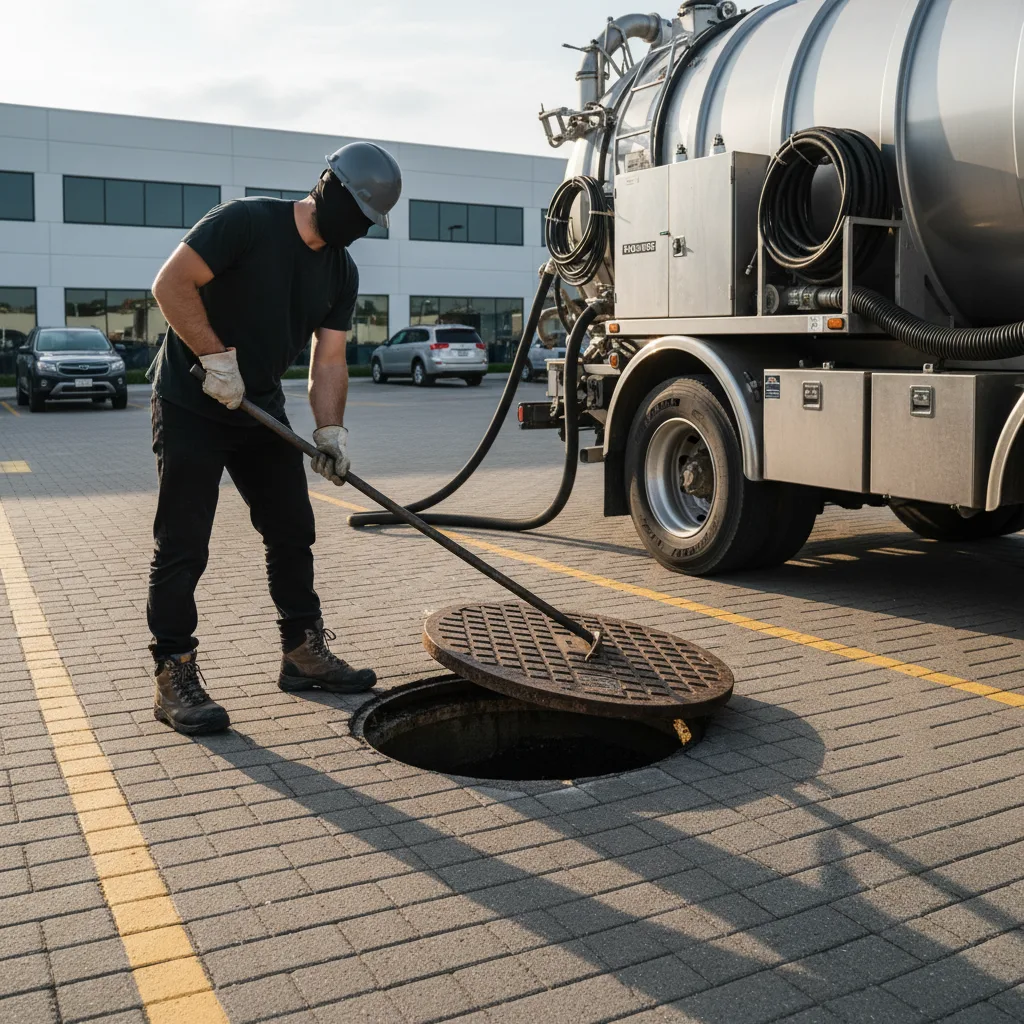
Featured image


Why Does My Grease Trap Smell?

Quick answer: Grease trap odors usually come from overdue pumping, decomposing food solids, a dry or damaged seal, blocked venting, leaks, or wastewater backing up through the system. Start by checking the service date, water flow, lid seal, and visible leaks. Persistent sewage smells, backups, or gas exposure need prompt professional inspection.

Symptom Likely cause First safe step
Rancid or rotten-food smell Old FOG and food solids Check the pumping log and schedule full service if overdue
Sewer-gas smell near the lid Dry, loose, cracked, or poorly seated seal Keep the area ventilated and have the lid and gasket inspected
Odor plus slow drains Restriction, overfilled trap, or downstream blockage Stop adding wastewater where practical and call a qualified service company
Odor after a recent cleaning Incomplete cleaning, disturbed seal, vent problem, or hidden spill Contact the servicing company and request a return inspection

When to Call a Professional

Arrange professional service when odor returns after basic checks, the trap is near its service limit, drains are slow, wastewater is backing up, the lid or gasket is damaged, or staff notice dizziness or strong sewer gas. Do not enter a tank, mix drain chemicals, or rely on enzymes to replace pumping.

A foul-smelling grease trap isn't just unpleasant — it's a red flag that something's wrong with your commercial kitchen's waste management system. Whether you're dealing with a sulfurous sewage odor, a rancid smell that permeates your dining area, or complaints from staff, understanding why your grease trap smells is the first step toward eliminating the problem. This guide explains the root causes of grease trap odors and provides actionable solutions to restore a fresh, compliant kitchen environment.

The Science Behind Grease Trap Odors

Grease traps naturally contain decomposing organic matter, but they shouldn't produce overpowering smells when functioning properly. The most common culprit is hydrogen sulfide gas — the compound responsible for that characteristic rotten egg smell. This gas forms when anaerobic bacteria break down fats, oils, and grease (FOG) in the absence of oxygen. When your trap is full, improperly vented, or harboring excessive buildup, these bacteria thrive and produce increasingly potent odors.

Temperature also plays a significant role. Warmer environments accelerate bacterial decomposition, which is why grease trap odors often intensify during summer months or in poorly ventilated kitchens. The combination of heat, moisture, and organic material creates ideal conditions for odor-producing bacteria to multiply rapidly.

72 hours
Average time before a neglected grease trap begins producing noticeable odors

Common Causes of Grease Trap Smell

Infrequent Pumping and Cleaning

The most straightforward cause of grease trap odor is simply waiting too long between service appointments. Most commercial kitchens require pumping every 30-90 days depending on volume, but high-output operations may need monthly service. When FOG accumulation exceeds 25% of the trap's total capacity, decomposition accelerates and odors become inevitable. Following a proper grease trap maintenance schedule prevents this buildup before it becomes problematic.

Inadequate Ventilation

Grease traps require proper venting to release gases safely outdoors. Blocked, damaged, or improperly installed vent pipes trap these gases inside the system, forcing them back through drains and into your kitchen. In older buildings or retrofitted spaces, vent pipes may not meet current code requirements, creating chronic odor issues that cleaning alone won't resolve. The vent stack should extend above the roofline and remain clear of debris year-round.

Broken or Missing Trap Components

A damaged baffle, cracked lid, or compromised gasket allows odors to escape directly into your kitchen rather than being contained within the system. Even small cracks in the trap body can leak gases, especially when internal pressure builds. Missing or deteriorated gaskets around access lids are particularly common culprits — they're often overlooked during routine cleaning but can transform a minor odor into a major problem.

Important
If your grease trap suddenly starts smelling like sewage, check for backup issues immediately. This specific odor often indicates a blocked downstream pipe or failed trap seal that requires urgent attention to prevent overflow.

Drain Line Problems

Issues beyond the trap itself can cause odor problems. If you're experiencing slow drainage alongside odors, the problem may lie in your incoming or outgoing lines. Grease buildup in pipes leading to the trap creates additional decomposition sites, while blockages in exit lines can cause backups that force gases back through the system. These issues require professional drain cleaning in addition to trap maintenance.

Biological Overload

Certain food waste creates more aggressive odors than others. Seafood scraps, dairy products, and proteins decompose rapidly and produce particularly pungent compounds. Kitchens that handle these ingredients heavily may experience stronger odors even with regular maintenance. Additionally, pouring chemical drain cleaners or harsh sanitizers down drains can kill beneficial bacteria that naturally help break down waste, creating an imbalance that worsens odor production.

Immediate Solutions to Eliminate Grease Trap Odor

When odor strikes, start with these proven interventions. First, ensure all trap access points are properly sealed — a loose lid is often the quickest fix. Check that water is flowing freely through all connected drains, as standing water in fixtures can amplify trap odors. Run cold water through drains for several minutes to help flush gases through the vent system.

The difference between a minor odor issue and a health code violation can be as simple as implementing a consistent cleaning schedule and proper kitchen hygiene practices.

For immediate odor reduction, biological additives containing enzyme-producing bacteria can help accelerate FOG breakdown. However, these products are supplements, not substitutes for regular pumping. Apply them after professional cleaning for best results, following manufacturer instructions carefully. Never use chemical deodorizers or drain cleaners, as these mask symptoms without addressing causes and may damage your trap or violate local regulations.

Best Practice
Install carbon filters on vent stacks to neutralize gases before they exit your building. This simple upgrade can dramatically reduce outdoor odors that affect neighboring businesses or residential areas, particularly important in mixed-use developments.

Long-Term Prevention Strategies

Sustainable odor control requires addressing root causes, not just symptoms. Establish a documented maintenance schedule based on your kitchen's actual usage patterns — don't rely solely on regulatory minimums. High-volume operations should consider more frequent pumping during peak seasons. Keep detailed service records to identify patterns and adjust your schedule proactively.

Implement strict kitchen protocols to minimize what enters your grease trap. Install properly-sized drain screens to catch food particles before they reach the trap. Train staff to scrape plates thoroughly and avoid dumping excessive oils down drains. These simple practices significantly reduce organic load and slow decomposition rates.

Ensure adequate ventilation throughout your kitchen, not just at the trap. Proper airflow helps dissipate any odors that do escape and reduces overall humidity that accelerates bacterial growth. Commercial kitchen ventilation systems should be serviced regularly alongside grease trap maintenance for optimal odor control.

Consider your trap's capacity relative to current kitchen output. If your operation has expanded significantly since installation, your existing trap may be undersized for current demand. An overwhelmed trap will smell regardless of maintenance frequency. Professional assessment can determine whether an upgrade is necessary.

When to Call Professional Help

Some odor problems require expert intervention. If smells persist after pumping, worsen rapidly, or accompany drainage issues, don't delay professional diagnosis. Structural damage, improperly sized equipment, or code compliance issues need specialized expertise. Similarly, if you're experiencing what's outlined in a grease trap emergency situation — such as sewage backup or overflow — immediate professional response is essential.

Licensed grease trap technicians have specialized equipment to inspect internal components, test vent functionality, and identify hidden problems. They can also verify that your trap meets current local codes, which evolve over time and may require system modifications in older installations. Regular professional inspections catch developing issues before they become expensive emergencies or health code violations.

Frequently Asked Questions

How often should a grease trap be cleaned to prevent odor?

Most commercial kitchens require professional pumping every 30-90 days, but frequency depends on your kitchen's volume and FOG output. A general rule: schedule service when FOG accumulation reaches 25% of total trap capacity. High-volume restaurants may need monthly service, while smaller operations might extend to quarterly. Document your cleaning schedule and adjust based on observed conditions — if you're noticing odors before scheduled service, increase frequency.

Can I use chemical deodorizers in my grease trap?

No. Chemical deodorizers only mask odors temporarily without addressing underlying causes, and many products damage trap components or violate local wastewater regulations. They can also kill beneficial bacteria that help break down FOG naturally. Instead, focus on proper maintenance schedules, biological additives specifically designed for grease traps, and addressing root causes like inadequate cleaning or ventilation problems.

Why does my grease trap smell worse in summer?

Higher temperatures accelerate bacterial decomposition of organic matter, producing more hydrogen sulfide gas and stronger odors. Warm conditions also reduce oxygen levels in the trap, promoting anaerobic bacteria that create the most pungent smells. If summer odors are problematic, consider increasing pumping frequency during warmer months and ensuring your kitchen's ventilation system is operating at full capacity to manage heat and humidity.

Is a smelly grease trap a health code violation?

Potentially yes. While odor itself may not be explicitly cited, it typically indicates underlying violations such as inadequate maintenance, improper venting, or excessive FOG accumulation. Health inspectors view persistent odors as evidence of sanitation problems that can affect food safety. Additionally, severe odors can prompt nuisance complaints from neighboring businesses or residents, triggering regulatory scrutiny. Address odor issues promptly to maintain compliance.

Can a grease trap smell indicate a more serious problem?

Absolutely. Sudden or severe odor changes can signal blocked pipes, trap overflow, structural damage, or failed seals — all of which can lead to sewage backups, environmental contamination, or costly emergency repairs. A sulfurous sewage smell specifically indicates anaerobic decomposition that suggests serious blockage or ventilation failure. Never ignore dramatic odor changes; they warrant immediate professional inspection to prevent escalation into genuine emergencies.

Eliminating grease trap odors requires understanding their causes and implementing both immediate fixes and long-term prevention strategies. From proper pumping schedules to ventilation improvements and kitchen best practices, a multi-faceted approach keeps your commercial kitchen fresh and compliant. Don't let persistent odors damage your reputation or create regulatory headaches. Find verified grease trap services in your area to address odor issues professionally and prevent future problems.

Grease Trap Locator Editorial Team
Author: Grease Trap Locator Editorial Team

The Grease Trap Locator editorial team covers FOG compliance, grease trap maintenance, and commercial kitchen regulations across the US and Canada. Our guides are written for restaurant owners, facility managers, and food service operators who need practical, accurate information without the fluff.

Need a Licensed Grease Trap Service?

Find verified, local contractors who handle cleaning, pumping, and FOG compliance — in your area.

Find a Verified Contractor
In This Article
Find a Grease Trap Contractor

Search our directory of verified licensed FOG contractors serving your area.