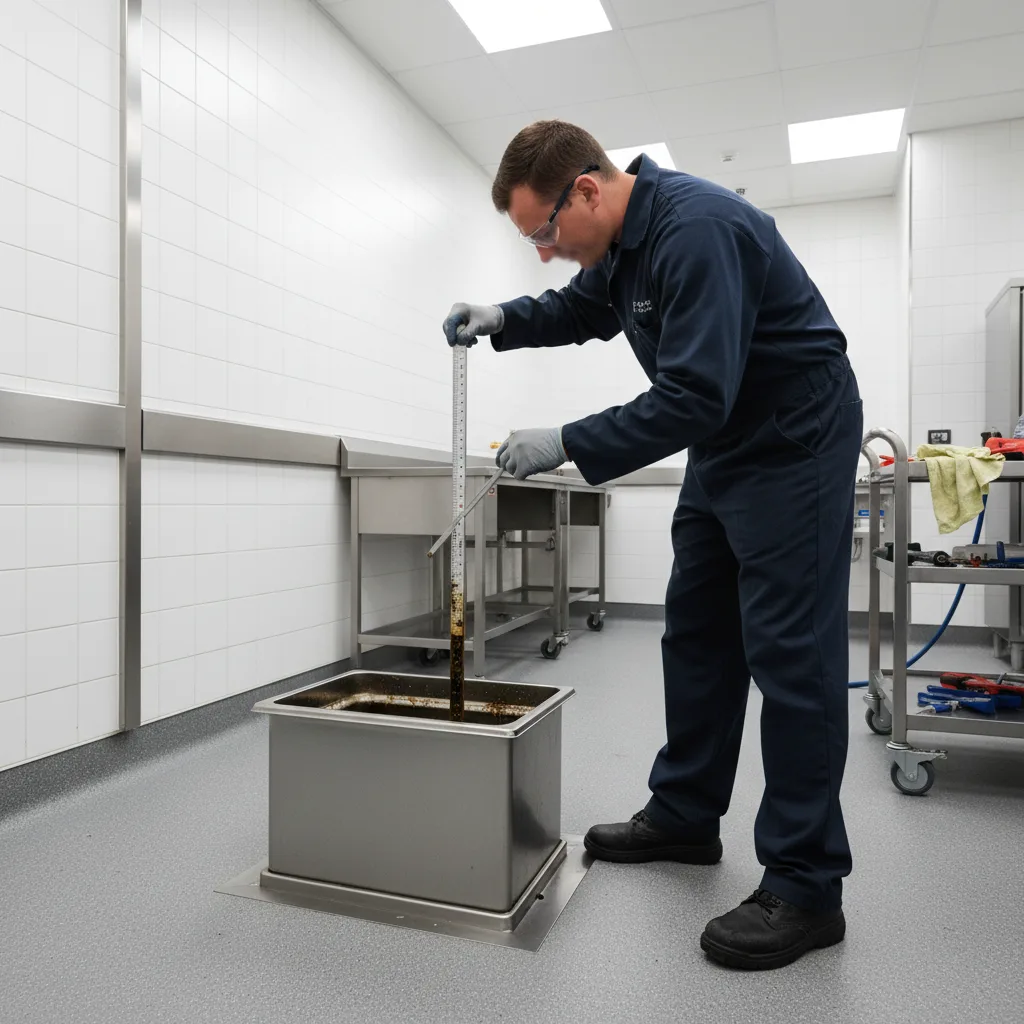
Grease trap service in Austin costs between $150 and $600 per cleaning for most restaurants, with pricing heavily influenced by trap size, accessibility, and service frequency. Austin's booming food scene — home to over 3,500 restaurants — creates high demand for reliable grease trap maintenance, and understanding local pricing structures helps you budget accurately while staying compliant with City of Austin regulations.
What Grease Trap Service Costs in Austin
Austin grease trap service pricing follows a tiered structure based on trap capacity and service complexity. A standard 50-gallon under-sink trap typically runs $150–$250 per cleaning, while a 1,500-gallon in-ground interceptor ranges from $400–$600. Mobile food operators and small cafés with minimal grease output pay less than full-service kitchens running fryers throughout the day.
Service frequency dramatically impacts annual costs. Monthly service contracts reduce per-visit pricing by 15–25% compared to on-demand calls. A taco truck with a 100-gallon trap paying $200 per quarterly cleaning spends $800 annually, while a barbecue restaurant with a 1,000-gallon interceptor on monthly service might invest $4,800–$6,000 per year.
| Service Scenario | Typical Cost Range |
|---|---|
| 50-gallon under-sink trap (monthly) | $150–$250 per visit |
| 200-gallon exterior trap (bi-weekly) | $275–$375 per visit |
| 500-gallon in-ground interceptor (weekly) | $350–$475 per visit |
| 1,500-gallon large interceptor (bi-weekly) | $450–$600 per visit |
| Emergency cleanout or blockage clearing | $300–$800+ per incident |
Emergency service calls cost 50–100% more than scheduled maintenance. A clogged line requiring after-hours service might hit $800 when the same trap would cost $350 during a routine visit. This pricing reality makes preventive service contracts financially smarter than reactive maintenance.
Geographic factors within Austin affect pricing modestly. Downtown locations with difficult access or limited truck parking may carry a $25–$50 surcharge per visit. Providers serving East Austin, South Congress, or the Domain typically charge standard rates, while properties requiring special permits for truck access face occasional administrative fees.
Choosing the Right Service Provider in Austin
Austin's grease trap service market includes national haulers, regional specialists, and local operators, each offering distinct advantages. National providers like Baker Commodities and Mahoney Environmental deliver consistent service quality and 24/7 dispatch, while local companies often provide more flexible scheduling and personalized account management for independent restaurants.
Verify that any provider holds proper Texas Commission on Environmental Quality permits and carries adequate liability insurance. Austin Water requires licensed haulers to dispose of grease trap waste at approved facilities — illegal dumping creates environmental violations that trace back to your business even when a contractor commits the offense.
Request manifest documentation after every service visit showing proper waste disposal at a permitted facility. This paper trail protects you during health inspections and demonstrates compliance with grease trap regulations Texas enforces at the municipal level.
Service level agreements should specify response times for routine and emergency calls. A quality provider commits to scheduled service windows within two hours and emergency response within four hours during business days. Contracts should also detail what's included — basic pumping versus full cleaning with baffle inspection and photographic documentation.
Look for providers offering digital service logs accessible through customer portals. Modern operators photograph trap conditions before and after service, upload manifests automatically, and send automated reminders before your next scheduled cleaning. This documentation proves invaluable during health department inspections when you need to demonstrate consistent maintenance history.
Switching from reactive emergency calls to a monthly service contract reduced our annual grease trap expenses by 40% and eliminated three separate backup incidents that had previously shut down our kitchen.
How Service Frequency Affects Your Budget
Service frequency requirements depend on grease production volume, trap capacity, and local ordinances. Austin Water doesn't mandate specific cleaning schedules citywide, but health inspectors enforce the "25% rule" — traps must be pumped when FOG (fats, oils, grease) accumulation reaches 25% of total capacity. High-volume kitchens hit this threshold weekly, while low-output operations may comply with monthly or quarterly service.
A breakfast café producing minimal grease might maintain a 100-gallon trap with monthly service at $175 per visit ($2,100 annually). Compare that to a fried chicken restaurant generating heavy grease loads, requiring weekly service on a 500-gallon interceptor at $375 per visit ($19,500 annually). Understanding your grease output helps you right-size both trap capacity and service intervals.
Many operators discover they're over-servicing after implementing better kitchen practices. Installing drain screens, scraping plates thoroughly before washing, and training staff on proper FOG disposal can extend service intervals from bi-weekly to monthly, cutting annual costs significantly. The inverse is also true — underservicing leads to backups, fines, and emergency calls that cost more than proper preventive maintenance.
Austin health inspectors can issue immediate closure orders for overflowing grease traps or FOG violations. A single backup event that sends grease into the sewer system triggers fines starting at $500, with repeat violations reaching $2,000 per incident plus potential legal action from Austin Water.
Seasonal businesses should adjust service frequency rather than maintaining year-round contracts. A food truck operating only during festival season can negotiate on-demand service, though per-visit costs will be higher than contract pricing. Conversely, restaurants experiencing summer rushes should increase service frequency temporarily rather than risking violations during peak revenue periods.
Additional Services That Impact Total Cost
Basic grease trap pumping represents your baseline cost, but comprehensive maintenance includes additional services that prevent expensive problems. Line jetting clears drain pipes between your sinks and trap, typically adding $150–$300 to service calls but preventing blockages that cause kitchen flooding. Most providers recommend quarterly jetting for high-volume kitchens.
Biological treatments using enzyme and bacteria additives help break down FOG between cleanings. Monthly treatments cost $50–$100 but can extend service intervals for moderate-volume operations. These treatments work best as supplements to proper mechanical cleaning, not replacements — biological products can't compensate for inadequate service frequency or trap sizing issues.
Trap inspection and repair services identify structural problems before they become emergencies. Corroded baffles, damaged inlet/outlet pipes, and deteriorating gaskets compromise trap efficiency. Annual inspections costing $100–$200 catch these issues when repairs are minor, avoiding $2,000–$5,000 trap replacements or structural repairs.
Comparing grease trap cleaning cost by city shows Austin pricing falls in the middle range nationally. Cities like San Francisco and New York command 30–50% higher rates due to stricter regulations and higher operational costs, while smaller Texas markets may offer 15–20% lower pricing than Austin averages.
Contract Terms and Payment Structures
Service contracts typically lock in rates for 12–24 months, protecting you from mid-term price increases while guaranteeing service availability. Most providers offer monthly invoicing with net-30 payment terms for established businesses, though new accounts may require deposit or COD terms initially. Ask about autopay discounts — many companies reduce rates 5–10% for automated payment enrollment.
Understand cancellation terms before signing. Standard contracts require 30–60 days written notice, with early termination fees ranging from one month's service to the full remaining contract value. Some providers waive these fees if your business closes permanently or relocates outside their service area.
Volume discounts apply when you maintain multiple locations. Operating three restaurants in Austin might qualify for 10–15% rate reduction across all properties. Similarly, joining a restaurant association or business improvement district sometimes provides access to negotiated group rates with preferred grease trap services in Texas.
Schedule service visits during slow business hours to minimize disruption. Most Austin providers offer early morning (6–8 AM) or late evening slots specifically for restaurants that can't accommodate service during peak lunch or dinner rushes.
Frequently Asked Questions
How much does grease trap cleaning cost in Austin?
Grease trap cleaning in Austin costs $150–$600 per visit depending on trap size and service complexity. Small under-sink traps (50–100 gallons) average $150–$250, while large in-ground interceptors (1,000+ gallons) range from $400–$600. Contract pricing reduces per-visit costs 15–25% compared to on-demand service.
How often do Austin restaurants need grease trap service?
Service frequency depends on grease production and trap capacity, typically ranging from weekly to quarterly. Austin enforces the 25% rule requiring pumping when FOG reaches one-quarter of trap volume. High-volume kitchens need weekly or bi-weekly service, while low-output operations comply with monthly or quarterly schedules.
Are grease trap service contracts worth the cost?
Service contracts reduce per-visit costs 15–25% and guarantee service availability during peak seasons. Contracts eliminate emergency service premiums (50–100% higher than routine rates) and provide consistent maintenance that prevents violations. Most operators recoup contract savings after preventing a single emergency backup incident.
What happens if I skip grease trap cleaning in Austin?
Skipping service leads to trap overflow, sewer backups, and health code violations resulting in fines starting at $500 per incident. Austin Water can issue closure orders for severe FOG violations, and repeated infractions trigger escalating penalties up to $2,000 plus potential legal action for environmental contamination.
Do I need a service contract or can I call when needed?
On-demand service works for very low-volume operations but costs significantly more per visit than contract pricing. Most restaurants benefit from scheduled contracts that ensure compliance, prevent emergencies, and reduce annual costs. Mobile food operators with minimal grease output may successfully use on-demand service with careful monitoring.
Find verified grease trap services in your area to compare local Austin providers, review service capabilities, and request quotes tailored to your kitchen's specific requirements.
Find verified, local contractors who handle cleaning, pumping, and FOG compliance — in your area.
