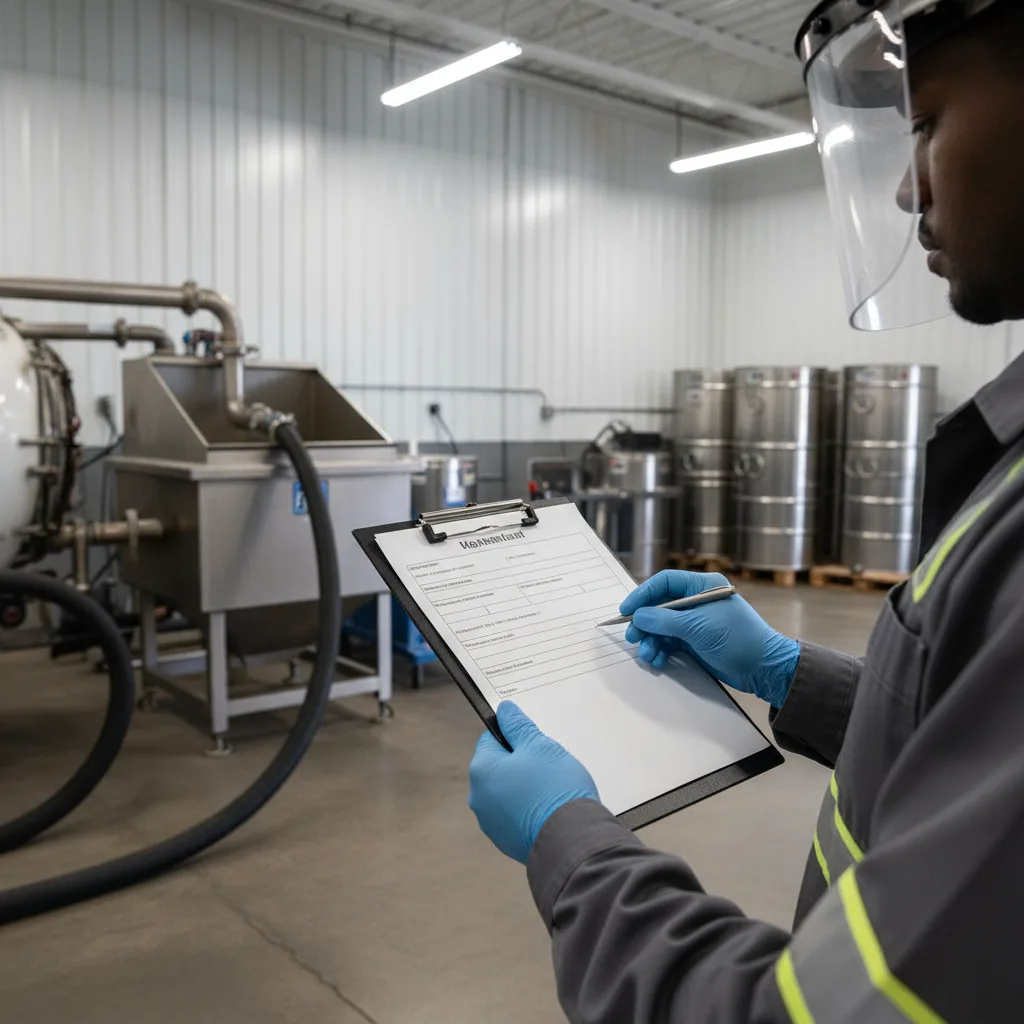
Grease Trap Service in Denver, CO: Costs and Providers

30 Mar 2026 6 min read No comments Pricing & Costs
Featured image


Grease trap service in Denver costs between $150 and $600 per cleaning for most commercial kitchens, with pricing determined by trap size, service frequency, and accessibility. This guide breaks down what Denver restaurant owners and facility managers pay for grease trap maintenance, installation, and pumping — plus how to choose a provider that keeps you compliant with Denver Metro Wastewater regulations.

How Much Does Grease Trap Cleaning Cost in Denver?

Denver grease trap cleaning costs vary by trap capacity and service frequency. A standard 50-gallon under-sink trap typically costs $150–$250 per cleaning, while a 1,000-gallon outdoor interceptor runs $300–$600 per service. Most Denver providers charge based on gallons removed rather than trap size alone.

Monthly service contracts reduce per-visit costs by 15–25% compared to on-demand cleaning. A restaurant with a 500-gallon trap paying $350 per cleaning can expect to pay $3,500–$4,200 annually with monthly service, versus $4,200–$5,600 with quarterly cleaning. The math shifts based on your kitchen's grease output — high-volume fryers and griddles require more frequent service.

$225
Average cost per grease trap cleaning in Denver metro area

Denver's altitude and climate affect grease solidification rates — cold winters mean grease hardens faster in outdoor interceptors, potentially requiring more frequent winter service. Providers who understand Denver-specific conditions adjust schedules accordingly.

For detailed comparisons across other markets, review our grease trap cleaning cost by city breakdown to see how Denver pricing stacks up regionally.

Grease Trap Installation and Replacement Costs

Installing a new grease trap in Denver ranges from $1,200 for basic under-sink units to $15,000+ for large outdoor interceptors requiring excavation and concrete work. Installation costs include the trap unit, labor, permits, and connection to existing plumbing.

Service Type Typical Cost Range
Under-sink trap (20–50 gallons) $1,200–$3,500
In-ground trap (500–1,500 gallons) $5,000–$15,000
Automatic grease removal system $8,000–$25,000
Monthly cleaning service (per visit) $150–$600
Emergency pump-out service $275–$800

Replacement costs mirror installation pricing but may add disposal fees for removing old traps — typically $200–$500 for proper waste handling. Denver requires permits for most grease trap installations, adding $150–$400 to project costs depending on interceptor size and location.

Best Practice
Request three written quotes that itemize trap cost, labor, permits, and disposal fees separately. Denver providers should reference Metro Wastewater's sizing requirements in their proposals to ensure code compliance from the start.

Automatic grease removal devices cost more upfront but reduce long-term cleaning frequency and labor. A $12,000 automatic system might require quarterly service instead of monthly cleaning, saving $1,200–$2,400 annually in maintenance costs for high-volume kitchens.

Denver FOG Compliance Requirements

Denver Metro Wastewater Reclamation District enforces Fats, Oils, and Grease (FOG) regulations for all food service establishments. Commercial kitchens must install properly sized grease traps, maintain cleaning schedules, and keep detailed service records available for inspection.

The district requires traps to be cleaned when 25% of capacity is filled with grease and solids — typically monthly for most restaurants. Failing an inspection triggers reinspection fees starting at $250, plus potential operational restrictions until compliance is restored. Repeat violations can result in fines exceeding $1,000 per occurrence.

Denver restaurants face escalating fines for FOG violations, starting at $250 for first offenses and reaching $1,000+ for repeat failures — making preventive maintenance significantly cheaper than noncompliance.

Service providers must be licensed to haul and dispose of grease trap waste in Colorado. Verify your provider holds current permits from the Colorado Department of Public Health and Environment before signing a service contract. Our FOG compliance guide covers documentation requirements and inspection protocols in detail.

Important
Keep service manifests for three years minimum. Denver inspectors request historical cleaning records during routine inspections, and missing documentation can trigger compliance violations even if your trap is properly maintained.

Denver's FOG program includes mandatory staff training for kitchen employees. Grease trap service providers often offer training as part of service contracts — a valuable add-on that demonstrates due diligence during inspections.

What Affects Grease Trap Service Pricing in Denver?

Five factors drive grease trap service costs in Denver: trap size, access difficulty, service frequency, waste volume, and provider response time. Understanding these variables helps you negotiate fair pricing and avoid surprise charges.

Trap accessibility significantly impacts labor costs. Outdoor interceptors with vehicle access cost less to service than basement traps requiring hose runs through dining areas. Expect 20–30% higher charges for difficult-access locations where technicians need additional equipment or building protection measures.

Service frequency creates volume discounts. Monthly contracts cost 15–25% less per visit than quarterly service, but you pay more annually. Calculate your break-even point based on kitchen output — if you're consistently hitting 25% capacity in three weeks, monthly service prevents emergency pump-outs that cost double standard rates.

Best Practice
Track your trap's fill rate for the first 90 days. Install a measuring stick or clear inspection port to monitor grease depth weekly. This data helps you negotiate the optimal service interval that avoids both overpaying and compliance violations.

Waste volume charges apply when grease removal exceeds standard expectations for your trap size. Providers quote based on typical fill rates, but kitchens with heavy frying operations may generate 30–40% more waste than baseline assumptions. Discuss your menu and cooking methods upfront to get accurate quotes.

Emergency service premiums add 50–100% to standard rates. A $250 routine cleaning becomes $500+ when you need same-day service because you ignored maintenance schedules. Denver's restaurant density means providers stay busy — emergency slots are expensive because they disrupt scheduled routes.

Explore additional grease trap services in Colorado to compare regional pricing variations and service options beyond the Denver metro area.

How to Choose a Grease Trap Service Provider in Denver

Select Denver grease trap providers based on licensing, response reliability, and compliance documentation practices. The cheapest provider costs more if they skip paperwork that lands you in violation during inspections.

Verify three credentials before signing contracts: Colorado septage hauler permit, commercial liability insurance (minimum $1 million coverage), and Metro Wastewater Reclamation District approval. Request copies of permits and insurance certificates — legitimate providers supply these immediately.

Response consistency matters more than advertised service windows. Ask potential providers for client references in your restaurant category — fine dining, fast casual, institutional kitchens have different service needs. Contact references specifically about missed appointments and emergency response times.

Documentation quality separates professional providers from cheap alternatives. Service manifests should include date, time, waste volume removed, disposal facility information, and technician signature. Digital records with photo documentation provide strongest evidence during compliance audits.

Contract terms should specify service frequency, pricing for overages, emergency response protocols, and cancellation policies. Avoid contracts requiring 60+ day cancellation notice — 30 days is standard for the Denver market. Watch for automatic renewal clauses that lock you into multi-year agreements.

Geographic coverage affects reliability. Providers serving all of metro Denver often prioritize higher-value clients in peak seasons. Companies focused on specific zones (downtown, DIA corridor, southern suburbs) typically deliver more consistent service within their territory.

Frequently Asked Questions

How often do restaurants in Denver need grease trap cleaning?

Most Denver restaurants require grease trap cleaning every 30–90 days depending on kitchen volume and trap size. High-volume kitchens with extensive frying typically need monthly service, while lower-volume establishments can extend to quarterly cleaning if waste doesn't exceed 25% of trap capacity.

What is the average cost of grease trap pumping in Denver?

Denver grease trap pumping averages $225 per service for standard commercial traps. Small under-sink units (20–50 gallons) cost $150–$250, while large outdoor interceptors (1,000+ gallons) range from $400–$600 per cleaning depending on waste volume and access difficulty.

Do I need a permit to install a grease trap in Denver?

Yes, Denver requires plumbing permits for grease trap installations, costing $150–$400 depending on interceptor size. Installation must meet Metro Wastewater Reclamation District specifications, and inspections verify proper sizing and connection before the trap can be used operationally.

Can I clean my own grease trap to save money?

Denver regulations require licensed haulers to pump and dispose of grease trap waste — self-cleaning violates disposal laws. Attempting DIY service risks FOG program violations, improper waste disposal fines, and voided equipment warranties that far exceed professional service costs.

What happens if I miss a scheduled grease trap cleaning?

Missed cleanings risk trap overflow, sewer backups, and FOG compliance violations during inspections. Emergency pump-outs cost 50–100% more than scheduled service, and documented maintenance gaps can trigger Denver Metro Wastewater fines starting at $250 per violation.

Find verified grease trap services in your area at https://www.greasetraplocator.com.

Grease Trap Locator Editorial Team
Author: Grease Trap Locator Editorial Team

The Grease Trap Locator editorial team covers FOG compliance, grease trap maintenance, and commercial kitchen regulations across the US and Canada. Our guides are written for restaurant owners, facility managers, and food service operators who need practical, accurate information without the fluff.

Need a Licensed Grease Trap Service?

Find verified, local contractors who handle cleaning, pumping, and FOG compliance — in your area.

Find a Verified Contractor