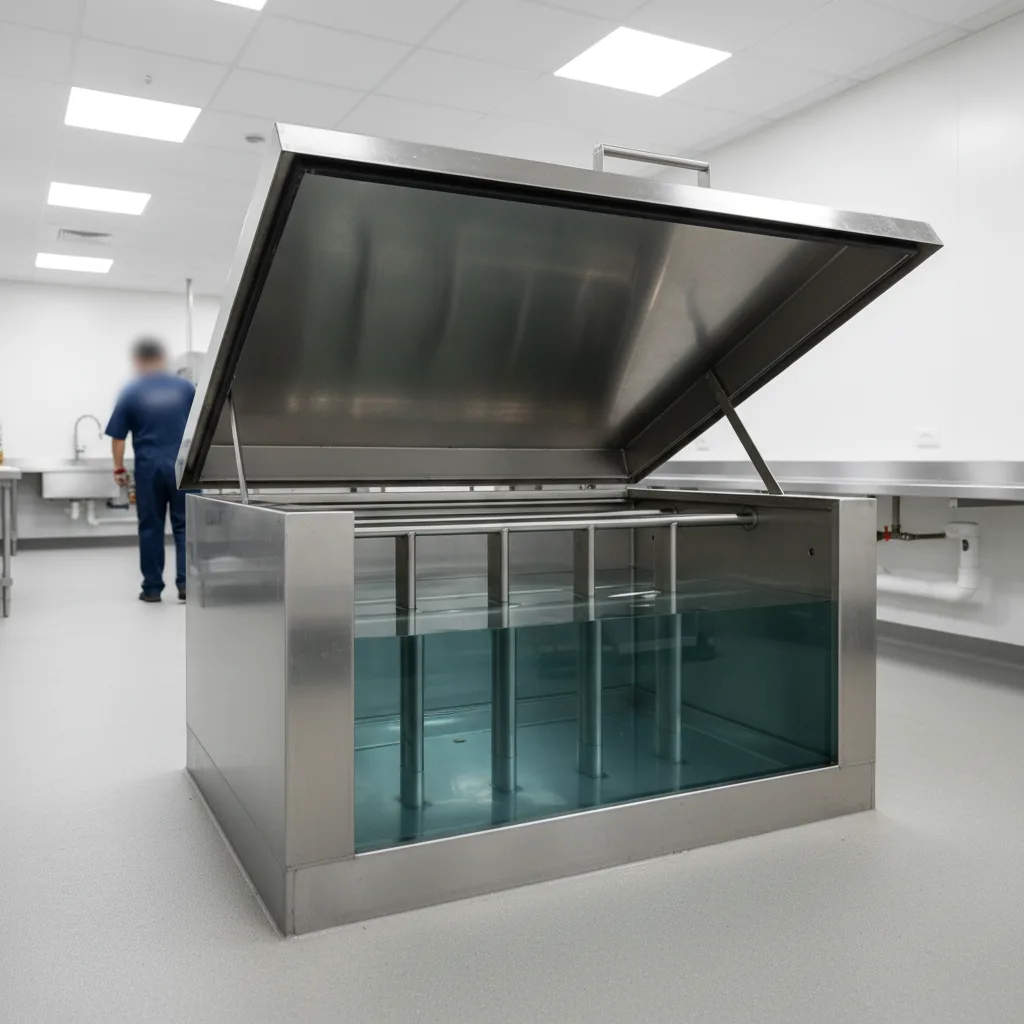
Las Vegas restaurants pay between $150 and $600 per grease trap cleaning, depending on trap size, service frequency, and accessibility. With Clark County enforcing strict FOG (fats, oils, and grease) discharge limits, understanding local pricing structures and selecting a compliant service provider protects your business from fines that can reach $10,000 per violation.
What Drives Grease Trap Service Costs in Las Vegas
Grease trap service pricing in Las Vegas reflects the city's unique operational conditions. Desert heat accelerates grease solidification, requiring more frequent pump-outs during summer months when trap temperatures exceed 100°F. Most commercial kitchens on the Strip and downtown face higher service costs due to restricted access hours—many providers charge 25–40% premiums for overnight or early-morning service windows that minimize guest disruption.
Trap size determines base pricing. A 20-gallon under-sink trap costs $150–$200 per service, while a 1,500-gallon exterior interceptor runs $400–$600. Kitchen volume matters: high-output operations like casino buffets and 24-hour diners need cleaning every two weeks, while smaller cafes maintain quarterly schedules. Emergency pump-outs for overflowing traps typically add $200–$350 to standard rates.
Geographic factors influence pricing across the Las Vegas Valley. Properties in Henderson and Summerlin often pay 10–15% less than Strip-adjacent locations due to simpler logistics and less congested routes. Providers serving North Las Vegas and outlying areas may add fuel surcharges for properties beyond the main service radius. For a broader view of regional pricing trends, review our grease trap cleaning cost by city comparison.
Clark County FOG Program Requirements
Clark County's FOG ordinance requires all food service establishments to maintain grease control devices and provide quarterly maintenance records. The Southern Nevada Health District conducts unannounced inspections, checking for trap capacity compliance and proper waste disposal documentation. Violations trigger escalating penalties: first offenses bring written warnings, second violations result in $500 fines, and repeat offenders face permit suspension.
Service documentation must include trap capacity measurements, waste volumes removed, and disposal facility receipts. Inspectors verify that grease and solids levels never exceed 25% of trap capacity—the legal threshold before intervention becomes mandatory. Properties without current service records receive immediate citations, and health permits can be revoked for facilities showing patterns of non-compliance.
Clark County requires licensed grease haulers to possess valid waste transporter permits. Using unlicensed services voids your compliance documentation and exposes your business to liability if waste is improperly disposed. Always verify your provider's permit status before signing contracts.
Smart operators integrate compliance into operational planning. Scheduling service before busy holiday periods prevents emergency situations during peak revenue times. Many Las Vegas casinos and resort properties maintain service contracts that include automatic documentation submission to health authorities, eliminating administrative burden and ensuring continuous compliance. Our FOG compliance guide provides detailed requirements for multi-unit operators.
Selecting a Licensed Provider in Las Vegas
Licensed grease trap services in Las Vegas must hold Nevada contractor licenses, EPA waste transporter certifications, and Clark County health permits. Reputable providers carry minimum $2 million liability insurance and workers' compensation coverage. Request certificate copies before awarding contracts—uninsured providers create significant risk if equipment damage or environmental contamination occurs during service.
Evaluate provider capabilities beyond basic pumping. Quality services include trap inspection, component testing (baffles, inlet/outlet pipes, gaskets), and detailed condition reports after each visit. Some providers offer BioAugmentation treatments that introduce enzyme cultures to break down organic matter between pump-outs, potentially extending service intervals for qualifying operations.
Operators who view grease trap service as preventive maintenance rather than reactive expense typically spend 30–40% less annually on plumbing repairs and emergency pump-outs.
Contract terms significantly impact total ownership costs. Monthly service agreements for high-volume kitchens typically offer 15–20% discounts compared to per-call pricing. Review cancellation clauses, price escalation terms, and service guarantee provisions. Best-in-class contracts specify response times for emergency calls (typically 4–6 hours) and include penalty clauses if providers miss scheduled appointments.
For comprehensive provider options throughout the state, explore grease trap services in Nevada to compare licensed contractors serving Las Vegas and surrounding communities.
Las Vegas Grease Trap Service Pricing Structure
Understanding pricing components helps restaurant operators budget accurately and identify unreasonable charges. Base service fees cover labor, equipment use, and standard disposal. Additional charges apply for excess grease volume, contaminated waste (non-organic materials in trap), difficult access requiring specialized equipment, and after-hours service.
| Service Scenario | Typical Cost Range |
|---|---|
| Under-sink trap (15–25 gallons), quarterly service | $150–$200 per visit |
| Mid-size trap (50–150 gallons), monthly service | $225–$350 per visit |
| Large interceptor (500–1,500 gallons), bi-weekly service | $400–$600 per visit |
| Emergency overflow pump-out (any size) | Standard rate + $200–$350 |
| After-hours service (10 PM–6 AM) | Standard rate + 25–40% premium |
Volume-based pricing benefits high-frequency users. Operators scheduling weekly or bi-weekly service often negotiate flat monthly rates that provide cost predictability and priority scheduling. Some Las Vegas providers offer seasonal pricing adjustments—slightly higher rates during summer months when demand peaks, offset by winter discounts when service volumes decrease.
Request itemized invoices showing grease volume removed, disposal facility used, and trap condition notes. This documentation proves compliance during health inspections and helps identify patterns that might indicate needed equipment upgrades or process changes.
Waste disposal fees represent 30–40% of total service costs. Las Vegas providers typically haul to regional rendering facilities where grease is processed into biodiesel and animal feed components. Verify your provider uses EPA-approved disposal sites—illegal dumping creates environmental liability that traces back to the waste generator (your restaurant), even when a third-party hauler commits the violation.
Optimizing Service Frequency and Costs
Service frequency directly impacts both compliance and cost-efficiency. Under-serviced traps overflow, causing expensive plumbing emergencies, health violations, and potential dining room closures. Over-serviced traps waste budget on unnecessary pump-outs. The optimal schedule balances regulatory requirements with actual grease generation rates.
Kitchen output determines appropriate intervals. High-volume operations producing 50+ gallons of daily cooking oil need weekly or bi-weekly service. Medium-volume restaurants serving 100–200 covers daily typically maintain monthly schedules. Low-volume cafes and bakeries with minimal frying often comply with quarterly service. Track trap fill rates over three months to establish your baseline—most providers measure grease depth during service and can recommend frequency adjustments.
Operational changes affect service needs. Menu shifts toward fried items increase grease loads substantially. Adding breakfast service or extending hours raises trap usage. Kitchen equipment upgrades—particularly high-efficiency dishwashers that use hotter water—can alter how quickly grease separates and accumulates. Review service frequency annually or after significant operational changes.
Implement daily pre-treatment practices to extend service intervals: scrape plates thoroughly before dishwashing, use sink strainers to catch food solids, and never pour liquid grease down drains. These simple steps can reduce service frequency by 25–30% for qualifying operations.
Cost reduction strategies exist beyond service frequency adjustment. Some operators invest in grease recovery devices that capture used cooking oil before it reaches traps, generating revenue through recycling programs while reducing pump-out needs. Others install hot water recirculation systems that prevent grease from solidifying in drain lines. These capital investments typically achieve 18–24 month payback periods for medium and large operations.
Frequently Asked Questions
How much does grease trap cleaning cost in Las Vegas?
Grease trap cleaning in Las Vegas costs $150–$200 for small under-sink traps, $225–$350 for mid-size traps, and $400–$600 for large exterior interceptors. Emergency service adds $200–$350 to base rates, while after-hours cleaning commands 25–40% premiums over standard pricing.
How often do Las Vegas restaurants need grease trap service?
Service frequency depends on kitchen volume and trap size. High-output restaurants need weekly or bi-weekly cleaning, medium-volume operations maintain monthly schedules, and low-volume establishments comply with quarterly service. Clark County requires service before grease levels reach 25% of trap capacity.
What licenses should a Las Vegas grease trap company have?
Licensed Las Vegas providers must hold Nevada contractor licenses, EPA waste transporter certifications, Clark County health permits, and minimum $2 million liability insurance. Request certificate copies and verify current permit status with Clark County before awarding service contracts.
Can I reduce grease trap service costs without risking compliance?
Implement kitchen best practices like thorough plate scraping, sink strainers, and proper oil disposal to reduce grease loads by 20–30%. Negotiate service contracts with volume discounts, schedule service during standard business hours, and maintain equipment properly to avoid emergency pump-outs that cost significantly more.
What happens if my Las Vegas restaurant fails a grease trap inspection?
First violations receive written warnings requiring immediate corrective action. Second violations result in $500 fines, and repeat offenders face permit suspension or revocation. Establishments must provide quarterly service documentation and maintain grease levels below 25% capacity to pass inspections conducted by the Southern Nevada Health District.
Find verified grease trap services in your area at https://www.greasetraplocator.com.
Find verified, local contractors who handle cleaning, pumping, and FOG compliance — in your area.
