Grease Trap Service Near Me: How to Find and Vet Local Providers

15 May 2026 8 min read No comments Grease Trap Basics
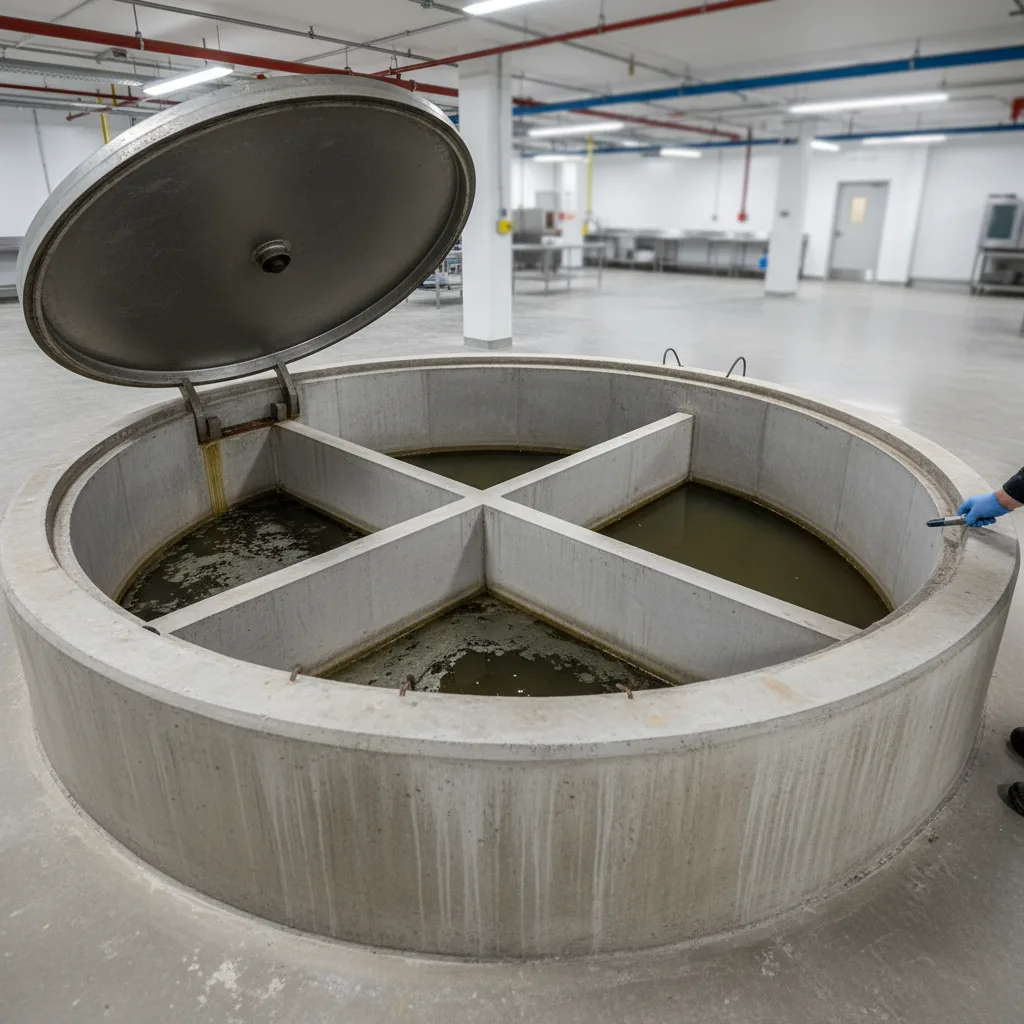
Featured image


Finding a reliable grease trap service provider in your area requires more than a quick Google search—it demands verification of licensing, response times, and compliance expertise. This guide walks you through the precise steps to identify, evaluate, and select grease trap service companies that protect your kitchen from fines and downtime.

Why Local Grease Trap Service Matters

Local grease trap service providers understand the specific regulations governing your municipality—a critical advantage that national chains often lack. County health departments enforce different FOG (fats, oils, and grease) program requirements, pump-out frequencies, and disposal protocols that vary by jurisdiction. A provider serving your immediate area maintains relationships with local wastewater authorities, knows which disposal facilities accept grease waste in your region, and responds faster when emergency cleanings arise.

Response time directly impacts your operational continuity. When a grease trap backs up during Friday dinner rush, you need a service truck on-site within hours, not days. Providers operating within a 25-mile radius typically offer same-day or next-day emergency service. Those farther away schedule you into broader regional routes that may delay service by 3-5 days.

68%
of restaurant health code violations involve grease management failures

Local providers also tailor service intervals to your actual grease production rather than applying one-size-fits-all schedules. A breakfast diner generates different grease volumes than a steakhouse. Nearby contractors visit your location during onboarding to assess trap size, kitchen output, and menu composition—then customize cleaning frequency to keep you compliant without unnecessary service visits.

How to Search for Grease Trap Service Providers

Start with your local health department's approved vendor list if one exists. Many county environmental health divisions maintain rosters of licensed grease haulers who meet disposal and documentation requirements. These lists eliminate unlicensed operators who may dump illegally or fail to provide compliant manifests.

Search "grease trap service near me" and filter results by reviewing three key elements: business location verification, years in operation, and service area boundaries. Verify the company maintains a physical office or depot within 30 miles of your restaurant. Review Google Business profiles for establishment dates—providers operating 5+ years demonstrate stability and regulatory knowledge. Confirm their stated service area includes your ZIP code to avoid scheduling conflicts.

Industry-specific directories like GreasetrapLocator.com pre-screen providers for licensing and insurance, saving you verification steps. These platforms categorize contractors by service type (pumping, repairs, installation) and display response time commitments, pricing transparency, and customer review aggregates.

Best Practice
Request service area maps from potential providers before initial quotes. Contractors working the periphery of their territory often charge fuel surcharges or offer slower response times than those serving your location as a core market.

Cross-reference online reviews with your municipality's public records. Check if providers hold active wastewater hauler permits through your city or county clerk's office. Review complaint histories with your local Better Business Bureau. A provider with five-star reviews but no verifiable permits operates illegally—exposing you to liability if they dispose of grease improperly.

Essential Vetting Criteria for Grease Trap Contractors

Verify four non-negotiable credentials before scheduling service: wastewater hauler license, general liability insurance ($1-2 million minimum), commercial auto insurance for service vehicles, and EPA-compliant disposal facility agreements. Request certificate copies and verify policy dates. Expired insurance leaves you liable if a pumping accident damages your property or causes environmental contamination.

Ask how providers track service history and compliance documentation. Professional contractors use digital manifest systems that timestamp each service visit, record gallons removed, photograph trap conditions, and auto-generate compliance reports for health inspections. Paper-only systems create gaps in your documentation trail that inspectors flag during audits.

The difference between a $200 fine and a $5,000 citation often comes down to whether your service provider documents trap conditions with timestamped photos and maintains digital manifest chains.

Evaluate equipment standards during initial consultations. Modern vacuum trucks with high-pressure water jets clean traps more thoroughly than older pump-only systems. Ask what truck capacity they deploy—undersized tanks require multiple trips for large interceptors, increasing your labor downtime. Confirm they carry portable wash stations to rinse trap components on-site rather than leaving grease residue that attracts pests.

Interview technicians about their training protocols. Competent providers train staff on confined space entry procedures, proper baffle handling, and damage recognition. During service visits, technicians should inspect baffles for deterioration, check inlet/outlet tees for blockages, and alert you to structural issues before they cause backups. Companies skipping these inspection steps function as pumpers, not service providers.

Important
Never hire a grease trap service that cannot produce current disposal facility receipts. Illegal dumping of grease waste results in EPA fines that trace back to the waste generator—your restaurant—even when contractors perform the actual dumping.

Test their customer service infrastructure before committing. Call their dispatch line to gauge hold times and assess whether live staff answer or you reach voicemail. Request sample service reports to evaluate documentation quality. Ask how they handle emergency calls outside business hours—providers without 24/7 dispatch leave you stranded during weekend backups.

Comparing Service Agreements and Pricing Models

Grease trap service providers structure pricing three ways: per-service rates, monthly flat fees, or tiered contracts based on trap size. Per-service billing ranges from $150-$400 per pump-out for under-sink traps and $300-$800 for outdoor interceptors. This model works for low-volume kitchens requiring quarterly service but creates budget unpredictability for high-grease operations needing monthly cleanings.

Monthly service agreements bundle scheduled cleanings with emergency calls and compliance reporting. Typical contracts run $200-$600 monthly depending on trap capacity and service frequency. These plans lock in pricing but verify the contract specifies pump-out intervals—vague language like "as needed" lets providers delay service to cut their costs.

Scrutinize what base pricing excludes. Most quotes omit enzyme additives, grease trap repairs, and after-hours premiums. Request itemized estimates showing per-gallon hauling fees, disposal surcharges, and trip charges separately. Bundled "all-inclusive" pricing often hides 20-30% markups on disposal fees you could verify independently.

Best Practice
Negotiate 60-day cancellation clauses in service contracts rather than annual commitments. This flexibility protects you if service quality deteriorates or you discover better local providers after signing.

Compare what triggers additional charges across providers. Some contractors charge extra for "excessive grease buildup" without defining thresholds. Others add fees for difficult access scenarios or cleaning delays caused by your staff. Clarify these conditions upfront to avoid surprise invoices that strain your vendor relationship.

Red Flags That Indicate Unreliable Providers

Walk away from contractors who cannot provide waste disposal receipts from previous jobs. Legitimate haulers track every gallon through certified processing facilities and produce manifests showing disposal dates, facility names, and waste quantities. Providers claiming "proprietary disposal methods" or refusing documentation operate outside regulatory frameworks.

Avoid companies offering prices 40%+ below market averages. Grease hauling and disposal costs follow narrow margins determined by fuel, labor, and tipping fees at processing plants. Dramatic undercutting signals corner-cutting through illegal dumping, uninsured operations, or bait-and-switch pricing where initial quotes balloon after service begins.

Reject providers unwilling to demonstrate their equipment before service. Professional contractors welcome facility tours showing their vacuum trucks, disposal partnerships, and maintenance facilities. Secrecy about operations suggests equipment deficiencies or non-existent infrastructure—both of which compromise service reliability and your compliance standing.

Distrust contractors pushing unnecessary add-on services during initial quotes. Enzyme treatments and bacteria additives serve specific applications but do not replace mechanical cleaning. Providers emphasizing these products over actual pump-outs prioritize profit over your regulatory compliance. Similarly, avoid those recommending trap replacements without documenting structural failures through photos or inspection reports.

Questions to Ask During Provider Consultations

Conduct phone or in-person interviews with your top three candidates using these qualification questions. How quickly can you respond to emergency service calls in our ZIP code? What disposal facilities do you use, and can you provide their certifications? How do you document service visits for health department inspections? What happens if our trap backs up between scheduled cleanings?

Request client references from restaurants similar to yours in concept and volume. Contact these references to ask about service consistency, billing accuracy, and problem resolution. A provider's newest clients often report excellent experiences, but three-year customers reveal whether quality sustains over time.

Clarify their damage liability protocols. What insurance covers property damage if their equipment breaks your trap during service? How do they handle wastewater spills on your property? Competent providers carry pollution liability insurance specifically for grease-related environmental incidents—verify this coverage exists before they access your trap.

Frequently Asked Questions

How often should grease traps be serviced?

Most grease traps require cleaning every 30-90 days depending on kitchen volume, with high-output restaurants needing monthly service and low-volume operations quarterly. Local regulations typically mandate cleaning when grease accumulation reaches 25% of trap capacity. Your provider should assess your specific production levels during initial consultations to establish compliant intervals rather than applying generic schedules.

What licenses should a grease trap service company have?

Legitimate grease trap contractors must hold a wastewater hauler permit from your municipality or county, maintain general liability insurance of at least $1 million, and provide proof of agreements with EPA-certified disposal facilities. Many jurisdictions also require business licenses and commercial vehicle permits. Request copies of all certifications and verify their current status with issuing agencies before signing service agreements.

Can I service my own grease trap to save money?

Self-service is technically legal but impractical for most restaurant operators due to disposal challenges, health risks, and documentation requirements. You must transport grease to certified processing facilities, maintain manifest records, and use proper safety equipment for confined space work. Most health departments accept only professional service documentation during inspections, making DIY approaches compliance risks that outweigh cost savings.

What should grease trap service include beyond pumping?

Comprehensive grease trap service includes complete pump-out of all chambers, high-pressure water jetting of inlet/outlet pipes, baffle inspection and cleaning, gasket condition checks, and photographic documentation of trap status. Technicians should measure grease depth before and after cleaning, verify proper water flow, and provide digital manifests showing disposal facility, waste volume, and service date for your compliance files.

How much does grease trap service cost?

Professional grease trap service costs $150-$400 per visit for under-sink traps (10-50 gallon capacity) and $300-$800 for outdoor interceptors (750-2,000 gallon capacity). Monthly service contracts average $200-$600 depending on trap size and cleaning frequency. Geographic location, accessibility challenges, and disposal fees influence final pricing, so obtain written estimates from multiple local providers before committing to agreements.

Finding dependable grease trap service protects your kitchen from operational shutdowns, regulatory fines, and environmental liability. Prioritize local providers with verifiable credentials, transparent pricing, and documented disposal practices over those competing solely on low cost. The right contractor becomes a compliance partner who keeps your grease management invisible to health inspectors and seamless for your operations.

Find verified grease trap services in your area through providers who meet licensing, insurance, and documentation standards that protect your business.

Grease Trap Locator Editorial Team
Author: Grease Trap Locator Editorial Team

The Grease Trap Locator editorial team covers FOG compliance, grease trap maintenance, and commercial kitchen regulations across the US and Canada. Our guides are written for restaurant owners, facility managers, and food service operators who need practical, accurate information without the fluff.

Need a Licensed Grease Trap Service?

Find verified, local contractors who handle cleaning, pumping, and FOG compliance — in your area.

Find a Verified Contractor