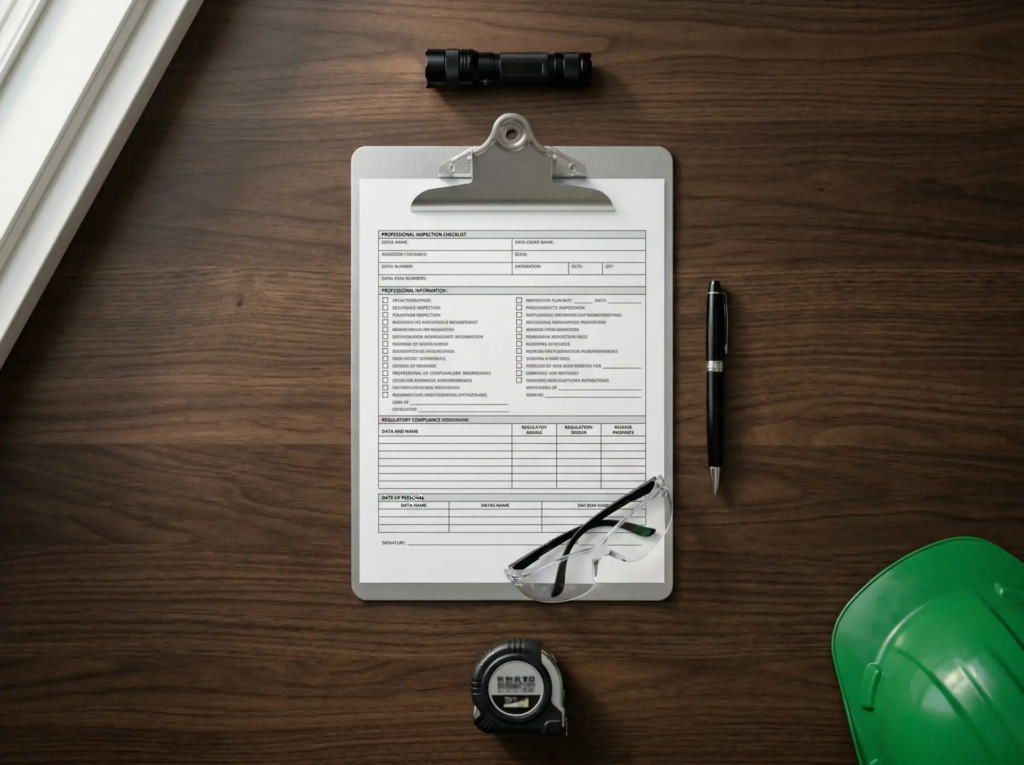

FOG compliance (fats, oils, and grease management) is a regular part of running a commercial kitchen that drains to a public sewer. It is mainly a wastewater issue rather than a food-safety one. The agency that issues your food service permit may not be the one that inspects your grease interceptor. And that means operators sometimes discover compliance problems only after receiving a notice of violation.
This guide covers what FOG compliance actually requires, who enforces it, what inspectors look for, and how to build a documentation system that holds up under scrutiny. For a broader overview of grease trap basics, see the complete guide to grease traps.
What Is FOG and Why Municipalities Regulate It
FOG stands for fats, oils, and grease — the byproducts of commercial food preparation. Every kitchen generates it: rendered fat from proteins, cooking oil, butter, sauces, salad dressings. When this waste enters wastewater systems, it cools, solidifies, and accumulates on the interior walls of sewer pipes.
Depending on your local rules, a FOG violation can lead to fines, more frequent required cleaning or other enforcement. Check what your local program does.
The downstream consequences are significant. FOG buildup reduces sewer pipe capacity and can cause blockages that lead to sewer overflows, a public health and water quality problem. In a 2004 report to Congress, EPA found that grease from restaurants, homes and industry was the most common cause (47%) of reported sewer blockages (as quoted in EPA's FOG fact sheet for food service establishments).
Local FOG control programs are the response. Depending on the program, they can require grease interceptors, regular cleaning, and service records or manifests. Enforcement is often handled by the local public works department or wastewater utility.
FOG rules are mostly local. In the United States, federal pretreatment rules prohibit discharges that cause pass through or interference, including solid or viscous pollutants in amounts that obstruct flow and result in interference. Some states add their own rules, and in Canada you should check the provincial or territorial and municipal rules that apply.
Which Food Service Operations Are Covered
FOG rules usually cover food service establishments (FSEs) that drain to a public sewer, but each program defines FSE in its own way. Depending on the local definition, it can include:
- Restaurants, cafes, and fast food operations
- Hotel and motel kitchens
- School and institutional cafeterias
- Hospital and healthcare food service
- Caterers and commissaries
- Bars and clubs with food preparation
Some programs grant waivers for operations with very little FOG, but only on request. In Connecticut, for example, the facility must ask and the local authority decides. Don't assume you are exempt; contact your local wastewater authority.
Core FOG Compliance Requirements
Requirements vary by municipality, but many FOG programs include these elements:
Grease Interceptor Installation
Many programs require food service operators to install an approved grease interceptor or other FOG equipment sized for their kitchen's wastewater. Sizing rules come from your local plumbing code or FOG program, so check how your area calculates it. See the complete grease trap guide for sizing fundamentals.
Regular Cleaning and Maintenance
Many programs use 25% as the cleaning trigger. Chandler, AZ, for example, says FOG and solids should not exceed 25% of the device's total capacity, and Connecticut's FOG general permit, which covers outdoor in-ground interceptors, uses 25% of operating depth. Check how your local program measures it. Some programs also set a minimum cleaning schedule whatever the fill level. Connecticut, for example, requires grease interceptors to be emptied at least every three months, and Abilene, TX, requires sink traps to be cleaned every 30 days or when the grease layer reaches 2 inches.
Some areas require a permitted hauler for all service; others, such as Chandler, AZ, allow self-service. Check your local rule. Where self-cleaning is allowed, follow local disposal rules; Chandler, AZ, for example, prohibits putting liquid waste in the trash.
Smell is not a reliable warning. Evaluate hydrogen-sulfide and confined-space hazards and apply the monitoring, training, entry controls and respiratory protection required by the applicable standards and site assessment.
Waste Manifesting and Disposal
In many areas, such as Florida and Texas, the hauler must fill out a service manifest (sometimes called a trip ticket) recording who pumped the trap, how much was removed and where it was disposed of. You, the hauler and the disposal site each get a copy. These documents are a key part of your compliance record.
Follow local disposal rules and use only destinations authorized for your waste. Never pour it into a storm drain or dump it on vacant land.
Record Retention
Many programs require you to keep service records for a set period, and it varies: Florida requires one year, Chandler, AZ, says three, and Connecticut and Abilene, TX, require five. Check your local rule. Records must be available for inspection on request. Where records are required, missing records can be a problem even if the service was done.
Permitting
Some areas require a separate FOG permit or approval for your grease interceptor. Check what the permit covers and whether separate plumbing, building or equipment approvals are also required.
The Inspection Process: What Inspectors Look For
FOG inspections are often run by the local wastewater program rather than the health department. How often they happen, and whether they are announced, depends on the program.
During an inspection, the inspector may:
- Verify the interceptor is installed and accessible
- Measure the depth of FOG and solids to assess fill level
- Review service records and manifests
- Check your hauler's paperwork and where the waste went
- Check for grease discharge to the sewer downstream of the interceptor
If your trap is over the local fill limit, the program may require you to clean it more often. Keep proof of every service. Your records matter as much as the condition of the equipment.
Consequences of Non-Compliance
Consequences vary by jurisdiction and can include:
- Notice of violation (NOV): A written notice documenting the specific violation, with a required corrective action and deadline.
- Fines: Set per violation or, in some places, per day. Amounts vary widely, so check your local rules.
- More frequent cleaning: The program may require you to clean more often. Chandler, AZ, for example, requires it when FOG is seen leaving the device.
A violation can cost more than the fine: extra cleaning, downtime and plumbing repairs. Staying on schedule helps you avoid those costs.
For a deeper breakdown of regulations by region, see grease trap regulations by state and region.
Building a FOG Compliance Program
A compliance program doesn't need to be complex. It needs to be consistent and documented. The basics:
Scheduled Service
Set a recurring service schedule before you need it. Don't wait until the trap is full or you receive a notice. The right interval depends on the size of your trap and how much grease your kitchen produces, and it must meet your local minimum.
Record Organization
Keep a dedicated folder — physical or digital — for service manifests. File each one after service. When an inspector arrives, you should be able to produce the records your local rules require, quickly. For a full maintenance and record-keeping framework, see the grease trap maintenance guide.
Staff Best Practices
Train kitchen staff to scrape plates and cookware before washing. Avoid pouring cooking oil down drains — use sealed containers for used fryer oil and arrange pickup with a cooking oil recycler or renderer. These practices reduce FOG load and can extend the intervals between pump-outs.
Contractor Vetting
Using a properly permitted hauler matters: in Texas, for example, only transporters with a current TCEQ sludge license can legally pump and haul grease trap waste. Ask your hauler for the state or local permit or registration your area requires. See how to choose a grease trap company for a full vetting checklist.
Larger markets like Dallas, TX have more companies to compare. In smaller markets there may be fewer options, so check a company's permits before you need service.
Book service before you are due, not after.
Frequently Asked Questions
What does FOG compliance mean for a restaurant?
FOG compliance means meeting your local fats, oils, and grease rules. That usually means having approved grease control equipment, keeping it cleaned on schedule, keeping service records and showing them on request. Requirements vary, so check with your local wastewater authority (in Canada, check the provincial or territorial and municipal rules that apply).
Who enforces FOG regulations?
FOG rules are mostly local, and they are often enforced by the local wastewater utility or public works department rather than the health department. Some states also have their own rules. Ask your local wastewater authority who handles FOG where you are.
How long do I need to keep grease trap service records?
It depends on where you are. Florida requires one year, Chandler, AZ, says three years, and Connecticut and Abilene, TX, require five. Check your local rule and keep every service record organized and easy to show an inspector.
Can I clean my own grease trap?
It depends on your local rules. Some places, such as Chandler, AZ, allow self-service if you keep records, while others, such as Connecticut, require a hauler. Follow local disposal rules; Chandler, AZ, for example, prohibits putting liquid waste in the trash. Smell is not a reliable warning. Evaluate hydrogen-sulfide and confined-space hazards and apply the monitoring, training, entry controls and respiratory protection required by the applicable standards and site assessment.
What is a FOG ordinance?
A FOG ordinance is a local law, typically adopted by a city or county, that establishes requirements for fats, oils, and grease management in commercial food service operations. FOG ordinances define which establishments must comply, what equipment is required, how often it must be serviced, what records must be kept, and what penalties apply for violations. Ordinances vary significantly between municipalities — what's required in one city may differ from the next. Some states also set statewide rules; Connecticut, for example, has a statewide FOG general permit.
Find grease trap contractors in your area — Search the Grease Trap Locator directory

Author: Grease Trap Locator Editorial Team
The Grease Trap Locator editorial team covers FOG compliance, grease trap maintenance, and commercial kitchen regulations across the US and Canada. Our guides are written for restaurant owners, facility managers, and food service operators who need practical, accurate information without the fluff.
Find local contractors who handle cleaning, pumping, and FOG compliance — in your area.