-
FOG Explained: Sources, Sewer Impacts, and Local Controls
Reviewed August 9, 2026 · This page explains federal context and local-control questions. It does not set a cleaning schedule, approve a product, or replace the rule for a specific…
by Grease Trap Locator Editorial TeamMar 13, 2026Updated No comments -
Grease Trap Planning for Schools and Hospitals
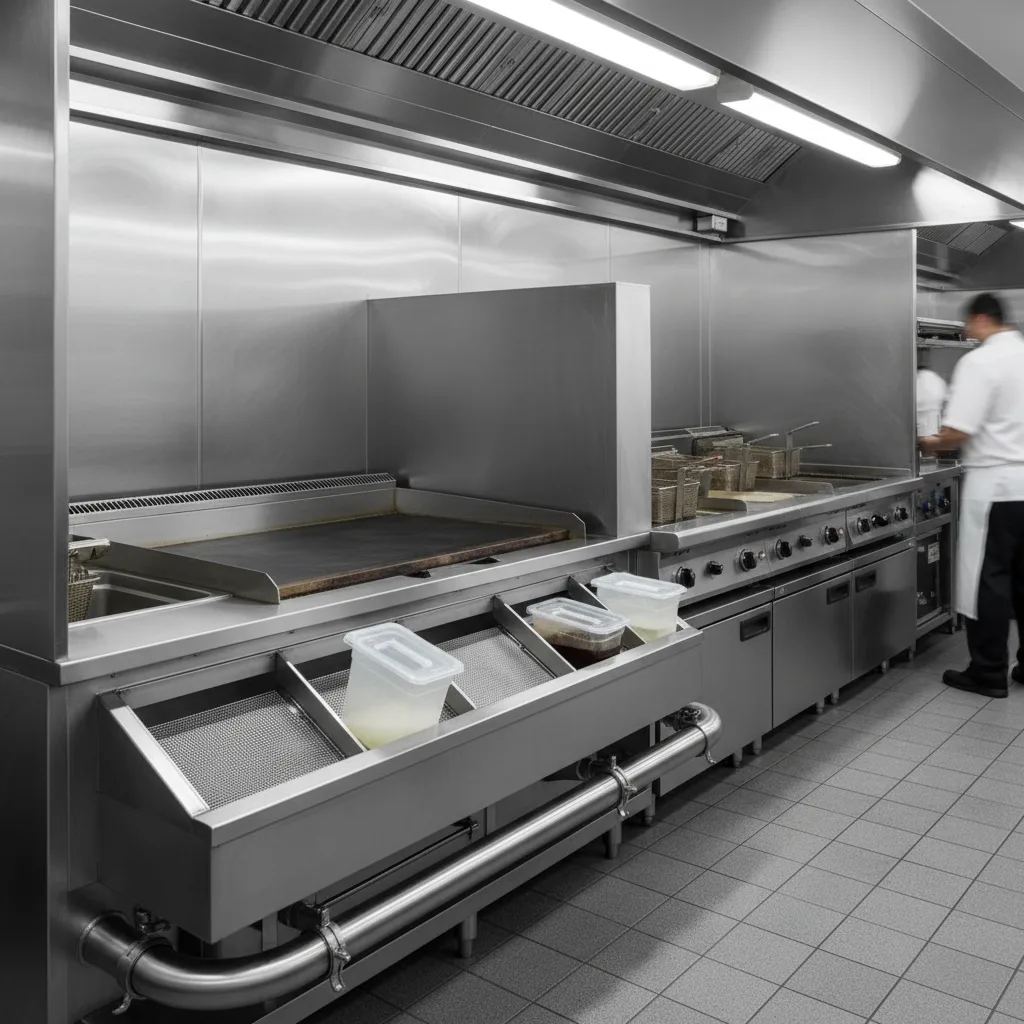
Schools, hospitals, and other institutional kitchens need a facility-specific FOG plan that supports continuous operations without inventing a federal equipment, service, cost, or funding rule. The serving sewer and plumbing…
by Grease Trap Locator Editorial TeamMar 13, 2026 No comments -
Repair or Replace a Grease Trap? A Documented Decision Framework
Repair-versus-replacement decisions should be based on a documented condition assessment, the exact equipment, current local requirements, and comparable written scopes. There is no reliable nationwide cost percentage, age threshold, or…
by Grease Trap Locator Editorial TeamMar 13, 2026 No comments -
FOG Compliance for Multi-Location Restaurants and Franchises
Managing FOG (fats, oils, and grease) compliance across several restaurant locations is harder than at one site: each location may follow a different set of local rules, service schedules and…
by Grease Trap Locator Editorial TeamMar 13, 2026Updated No comments -
Grease Trap Lifespan: Why There Is No Universal Replacement Timeline
There is no universal grease trap or interceptor lifespan. A replacement year cannot be determined from material or age alone. The defensible decision uses the exact model, installation, present condition,…
by Grease Trap Locator Editorial TeamMar 13, 2026 No comments -
Grease Trap Planning for Grocery Stores and Delis
A grocery store should assess grease-control needs department by department. A deli, bakery, meat or seafood area, hot-food counter, café, and central warewashing area can have different fixtures and waste…
by Grease Trap Locator Editorial TeamMar 12, 2026 No comments -
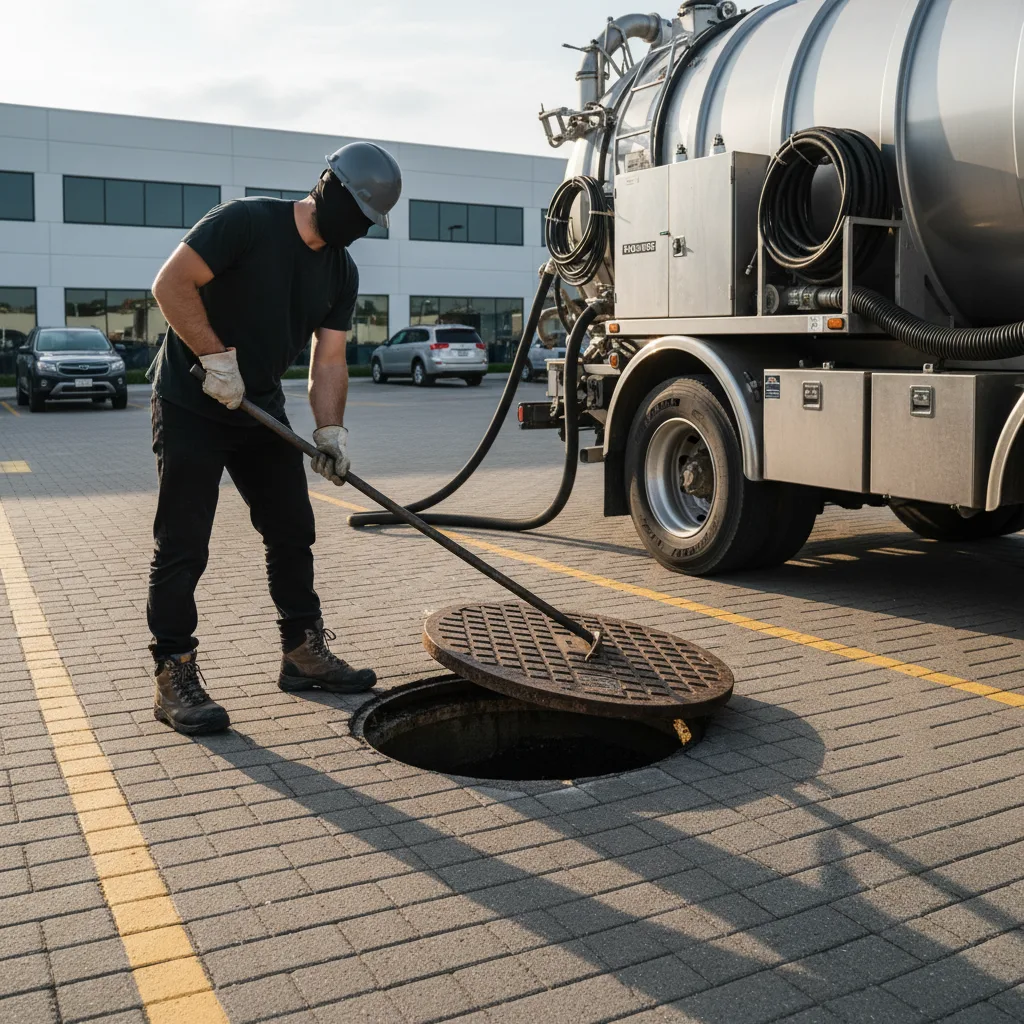
Controlling Grease Trap Service Costs: Safe Ways to Compare and Manage Service
Grease trap service prices vary by location, equipment, access, accumulated material, required work, disposal arrangements, and urgency. There is no defensible national savings percentage, contract discount, or do-it-yourself payback that…
by Grease Trap Locator Editorial TeamMar 12, 2026 No comments -
Free Grease Trap Maintenance Schedule Template (Downloadable)
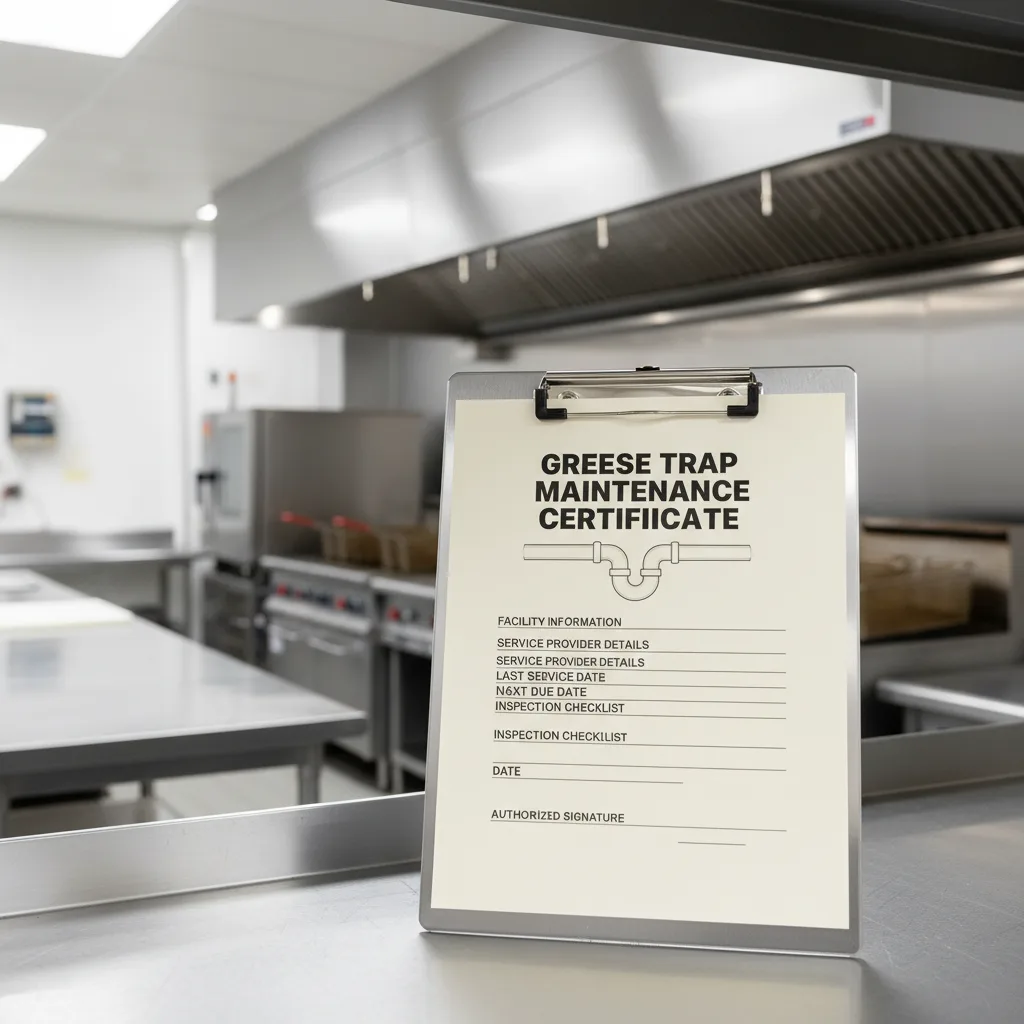
In plain English: Download the real template in three formats. Enter the schedule required by your local authority and manufacturer instead of accepting a fixed national interval. Find the controlling…
by Grease Trap Locator Editorial TeamMar 12, 2026Updated No comments -
Opening a Restaurant? Your FOG Compliance Checklist
Opening a restaurant means navigating health permits, zoning approvals, and fire inspections, and grease trap installation and FOG (fats, oils, and grease) management belong on that list too. Missing a…
by Grease Trap Locator Editorial TeamMar 12, 2026Updated No comments -
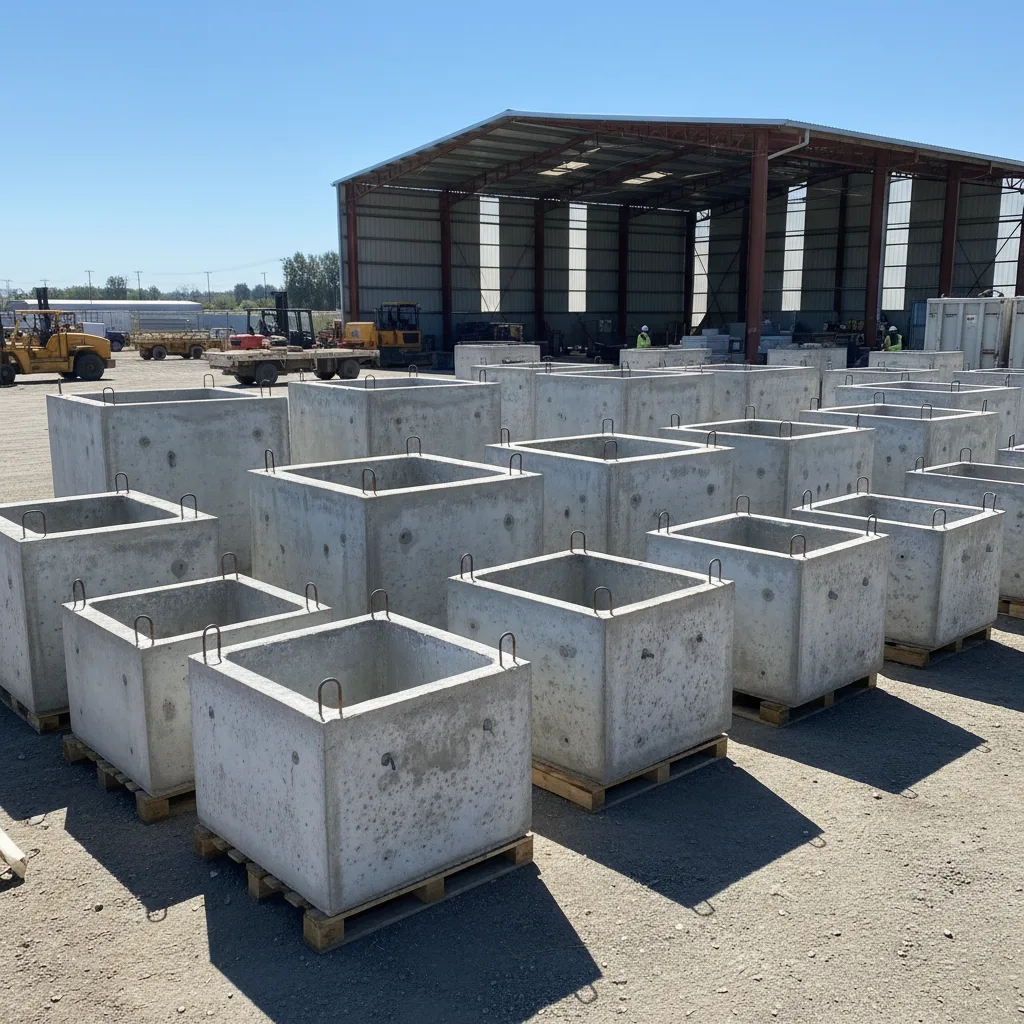
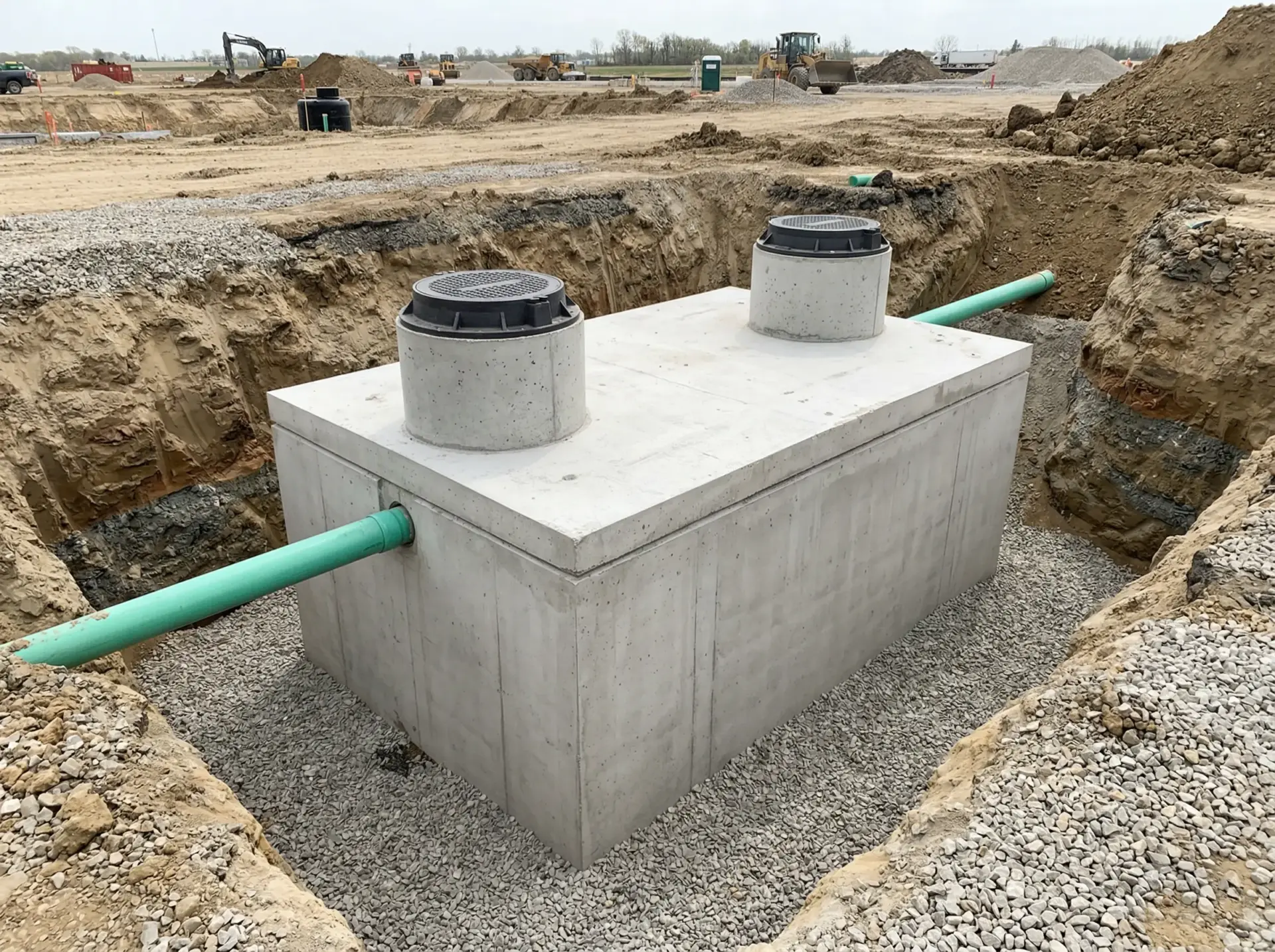
Grease Interceptor Product Documents: Three Examples and Their Limits
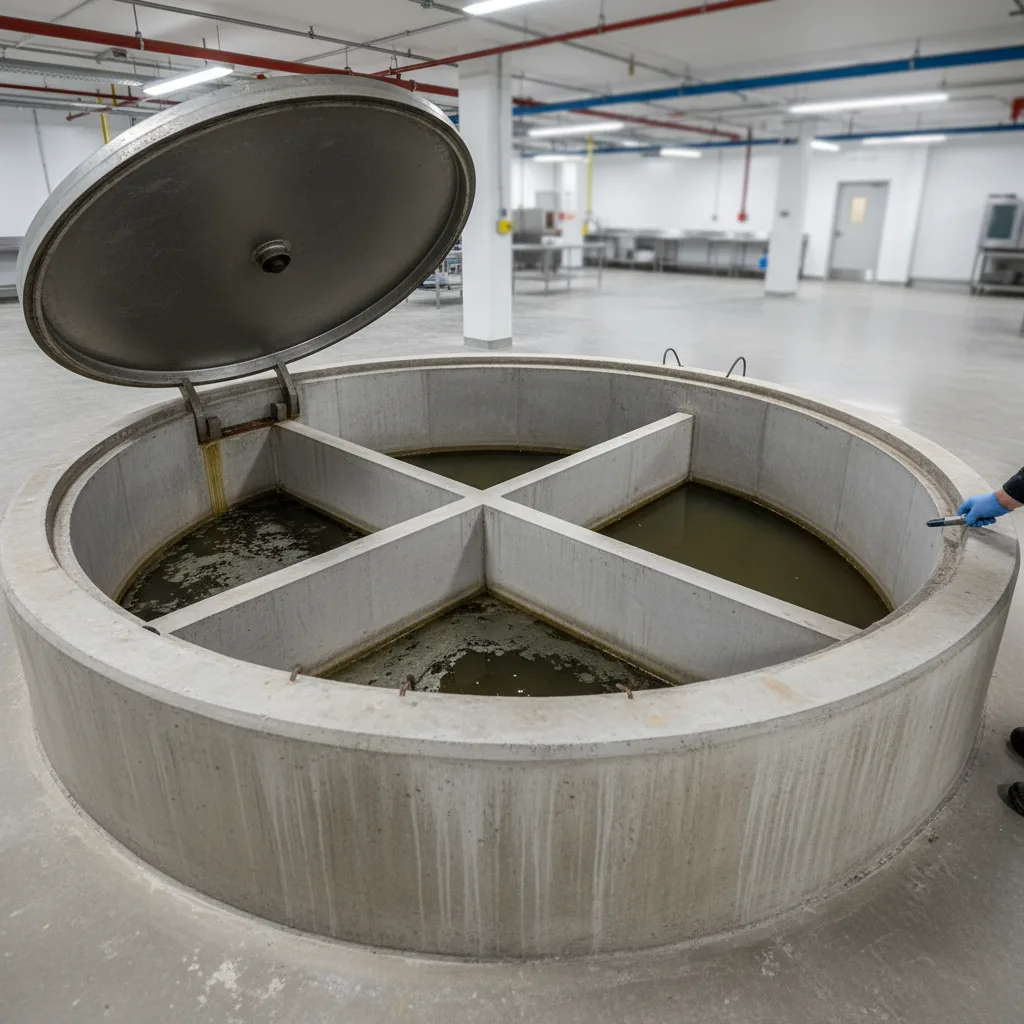
This is a guide to reading three current manufacturer product records. It is not a stainless-steel, plastic, or concrete comparison, and it does not recommend a product or material for…
by Grease Trap Locator Editorial TeamMar 12, 2026Updated No comments -
FOG Pollution and Waterways: What the Evidence Shows
Fats, oils, and grease (FOG) can obstruct sewer systems and contribute to wastewater overflows. The strongest national evidence supports that practical conclusion, but it does not support many widely repeated…
by Grease Trap Locator Editorial TeamMar 12, 2026 No comments -
Grease Trap Costs for Small Restaurants
Evidence-led GTL guide Grease Trap Planning for a Small Restaurant Prepare for local sizing review and comparable quotes using fixtures, flow, menu, operations, space, and site conditions. Compiled by Grease…
by Grease Trap Locator Editorial TeamMar 12, 2026 No comments