Grease Trap Service in Phoenix, AZ: Costs and Providers

27 Mar 2026 6 min read No comments Pricing & Costs
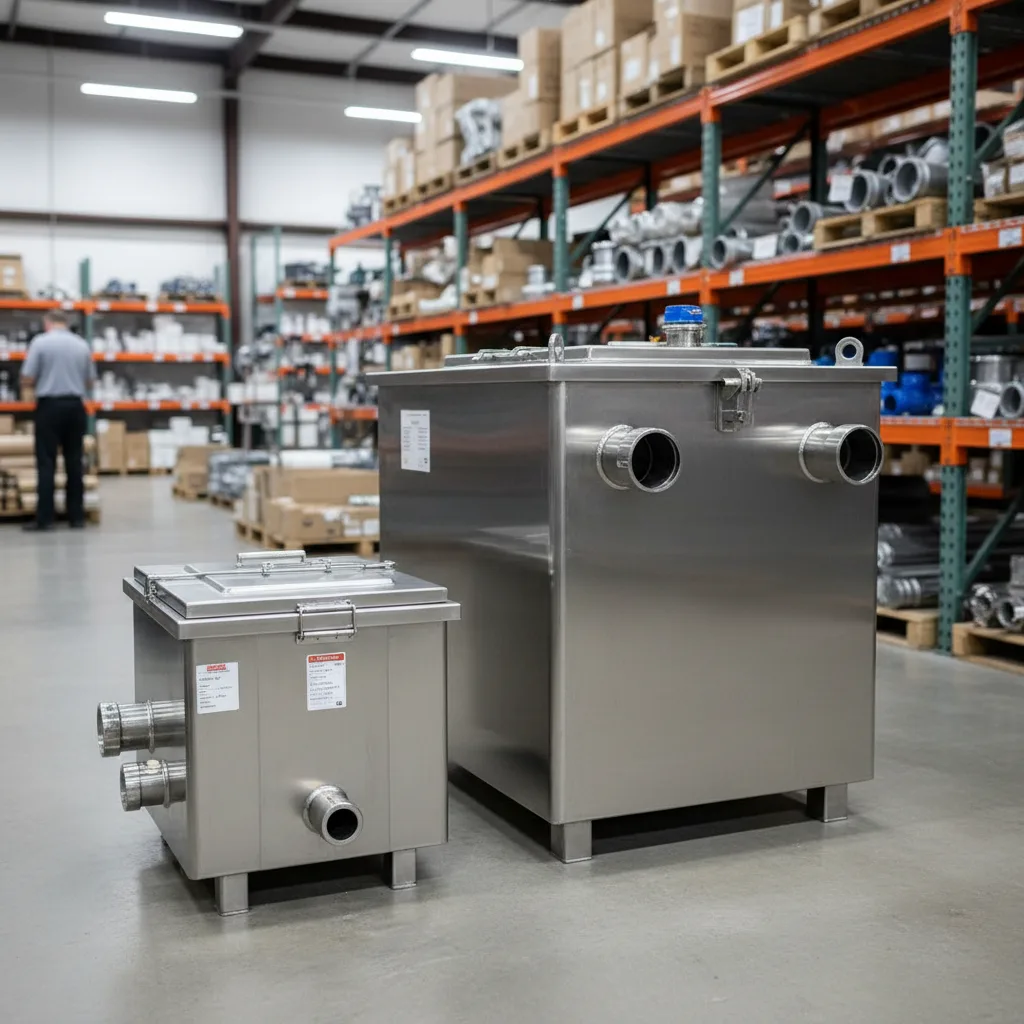
Featured image


Phoenix restaurant owners pay between $150 and $600 per grease trap service visit, with costs varying by trap size, service frequency, and compliance requirements under the City of Phoenix's FOG (Fats, Oils, and Grease) program. This guide breaks down pricing structures, provider options, and compliance considerations to help you budget accurately and avoid costly violations.

What Phoenix Grease Trap Service Costs in 2025

Grease trap service pricing in Phoenix follows a tiered structure based primarily on trap capacity and access difficulty. A standard 50-gallon under-sink trap in a downtown Phoenix restaurant typically costs $150–$225 per cleaning, while a 1,500-gallon outdoor interceptor at a high-volume kitchen can run $400–$600 per service. These figures align with broader grease trap cleaning cost by city trends across the Southwest, though Phoenix's competitive service market keeps prices slightly below cities like Scottsdale or Tempe.

Service frequency directly impacts your annual costs. The City of Phoenix requires most commercial kitchens to maintain grease traps at no more than 25% capacity, which translates to monthly cleanings for high-volume operations and quarterly service for smaller establishments. A typical Phoenix pizzeria with a 200-gallon trap paying $275 per quarterly cleaning spends roughly $1,100 annually, while a busy steakhouse with monthly service at $350 per visit faces $4,200 in annual grease trap costs.

$150–$600
Average cost per grease trap service in Phoenix, AZ

Several factors push costs toward the higher end of the range. Emergency or after-hours service typically adds 50–75% to base rates. Traps requiring hydro-jetting due to buildup in lateral lines add $200–$400 to standard pumping fees. Properties in older Phoenix neighborhoods with difficult access — narrow alleys, limited truck clearance, or traps located in basements — may incur $50–$100 surcharges per visit.

Service Type Typical Cost Range
Under-sink trap (20–100 gallons) $150–$250
Mid-size in-ground trap (100–500 gallons) $250–$375
Large outdoor interceptor (500–1,500 gallons) $375–$600
Emergency/after-hours service +50–75% surcharge
Hydro-jetting (lateral line cleaning) +$200–$400

Phoenix FOG Program Compliance Requirements

The City of Phoenix Water Services Department enforces strict FOG regulations that directly affect your service scheduling and documentation needs. All food service establishments discharging wastewater must install appropriately sized grease traps and maintain them to prevent blockages in the municipal sewer system. Failure to comply results in fines starting at $500 for first violations and escalating to $2,500 for repeat offenses.

Phoenix requires licensed haulers to provide manifests for every service visit documenting the date, volume removed, disposal location, and trap condition. Your service provider must submit these records to the city within 30 days, and you must maintain copies for three years. Most reputable grease trap services in Arizona include digital manifest systems in their base service fees, but verify this before signing a contract.

Important
Phoenix health inspectors can access your grease trap service records during routine inspections. Missing manifests or gaps in your cleaning schedule can trigger immediate violations and operational holds. Keep all documentation easily accessible and up-to-date.

The 25% capacity rule determines your minimum service frequency. If your trap reaches one-quarter full of FOG before your scheduled cleaning, you must increase service frequency. A Phoenix health inspector measuring your trap depth during an inspection will issue a violation if FOG exceeds this threshold, regardless of when your next scheduled service occurs. This makes choosing the right service interval critical — underscheduling to save money often backfires with violation costs and reputation damage.

Different establishment types face different inspection frequencies. High-volume restaurants serving fried foods typically receive quarterly health inspections, while lower-volume cafes may see inspectors twice yearly. Understanding your inspection schedule helps you time cleanings strategically to ensure compliance during visits. For detailed regulatory requirements, consult our comprehensive FOG compliance guide.

Choosing a Grease Trap Service Provider in Phoenix

Phoenix hosts dozens of grease trap service companies, but provider quality varies significantly. The most reliable operators carry Arizona contractor licenses, maintain $1 million general liability insurance, and employ certified technicians trained in proper FOG handling. Ask potential providers for their Arizona Department of Environmental Quality hauler permit number — legitimate operators display this prominently.

The cheapest service quote often becomes the most expensive choice when factoring in missed appointments, incomplete cleanings, and compliance documentation failures.

Service contracts typically come in two forms: per-visit billing or monthly subscription plans. Per-visit arrangements offer flexibility for seasonal operations but leave you vulnerable to price increases. Monthly subscriptions lock in rates and guarantee service slots but may include penalties for early termination. Most Phoenix providers offer 10–15% discounts for annual prepayment, which benefits established restaurants with predictable service needs.

Best Practice
Request references from restaurants similar to yours in size and cuisine type. A provider excellent at servicing small cafes may lack equipment for large hotel kitchens. Verify they service your specific Phoenix neighborhood — some companies charge premium rates for properties outside their primary service zones.

Response time for emergency calls separates adequate providers from exceptional ones. A backed-up grease trap can shut down your kitchen within hours, costing thousands in lost revenue. The best Phoenix providers guarantee four-hour emergency response windows and maintain after-hours contact numbers. Verify emergency service terms before problems arise — some companies subcontract emergency calls to third parties who may not honor your contracted rates.

Digital service platforms offer significant convenience advantages. Leading Phoenix providers now offer online portals where you can view service history, download manifests, schedule cleanings, and receive automatic compliance reminders. These systems reduce administrative burden and ensure you never miss required documentation during health inspections.

Hidden Costs and Budget Planning

Beyond base cleaning fees, several secondary costs affect your total grease trap budget. Disposal fees typically run $0.08–$0.15 per gallon of waste removed and appear as separate line items on invoices. A 500-gallon trap completely pumped incurs $40–$75 in disposal costs per service. Environmental fees, fuel surcharges, and administrative charges can add another $25–$50 per visit depending on the provider.

Trap repairs represent the largest variable expense. A failing baffle or damaged gasket costs $150–$400 to repair, while complete trap replacement for a standard 300-gallon unit runs $3,000–$6,000 including labor. Phoenix's hard water accelerates mineral buildup that damages trap components, making regular inspections during service visits essential for catching problems early.

Best Practice
Build a maintenance reserve fund equal to three months of service costs. This cushion covers unexpected repairs, emergency cleanings, and compliance-related expenses without impacting your operating budget. For a restaurant spending $300 monthly on grease trap service, maintain a $900 reserve.

Seasonal volume fluctuations affect Phoenix restaurants differently than establishments in other climates. Winter months bring tourism peaks and increased kitchen output, potentially requiring more frequent service. Summer heat accelerates FOG decomposition and odor issues. Adjust your service schedule seasonally rather than maintaining a rigid year-round frequency — most providers accommodate schedule changes with 48-hour notice.

Frequently Asked Questions

How much does grease trap cleaning cost in Phoenix?

Grease trap cleaning in Phoenix costs $150–$600 per service depending on trap size and access. Small under-sink traps (50 gallons) typically cost $150–$225, while large outdoor interceptors (1,000+ gallons) run $400–$600. Monthly service contracts often reduce per-visit costs by 10–15%.

How often do Phoenix restaurants need grease trap service?

Phoenix FOG regulations require service often enough to keep grease traps below 25% capacity. Most high-volume restaurants need monthly cleaning, moderate-volume establishments require quarterly service, and low-volume operations manage with service every 90 days. Your specific frequency depends on cooking volume and menu type.

Do I need a licensed grease trap company in Phoenix?

Yes, Phoenix requires all grease trap haulers to hold valid Arizona contractor licenses and ADEQ permits. Licensed providers ensure proper waste disposal, provide legally compliant manifests, and carry required insurance. Using unlicensed haulers can result in city violations and invalidate your compliance documentation.

What happens if I skip grease trap cleaning in Phoenix?

Skipping scheduled cleanings violates Phoenix FOG ordinances and risks fines starting at $500 for first offenses. Overfilled traps also cause backups, foul odors, and kitchen shutdowns during health inspections. Emergency cleanings cost 50–75% more than scheduled service, making compliance the most cost-effective approach.

Can I clean my own grease trap in Phoenix?

While Phoenix allows self-cleaning for very small traps, you must still use licensed waste haulers for disposal and maintain proper manifests. Most restaurants find professional service more cost-effective when factoring in labor, equipment, and compliance documentation requirements.

Find verified grease trap services in your area at https://www.greasetraplocator.com.

Grease Trap Locator Editorial Team
Author: Grease Trap Locator Editorial Team

The Grease Trap Locator editorial team covers FOG compliance, grease trap maintenance, and commercial kitchen regulations across the US and Canada. Our guides are written for restaurant owners, facility managers, and food service operators who need practical, accurate information without the fluff.

Need a Licensed Grease Trap Service?

Find verified, local contractors who handle cleaning, pumping, and FOG compliance — in your area.

Find a Verified Contractor