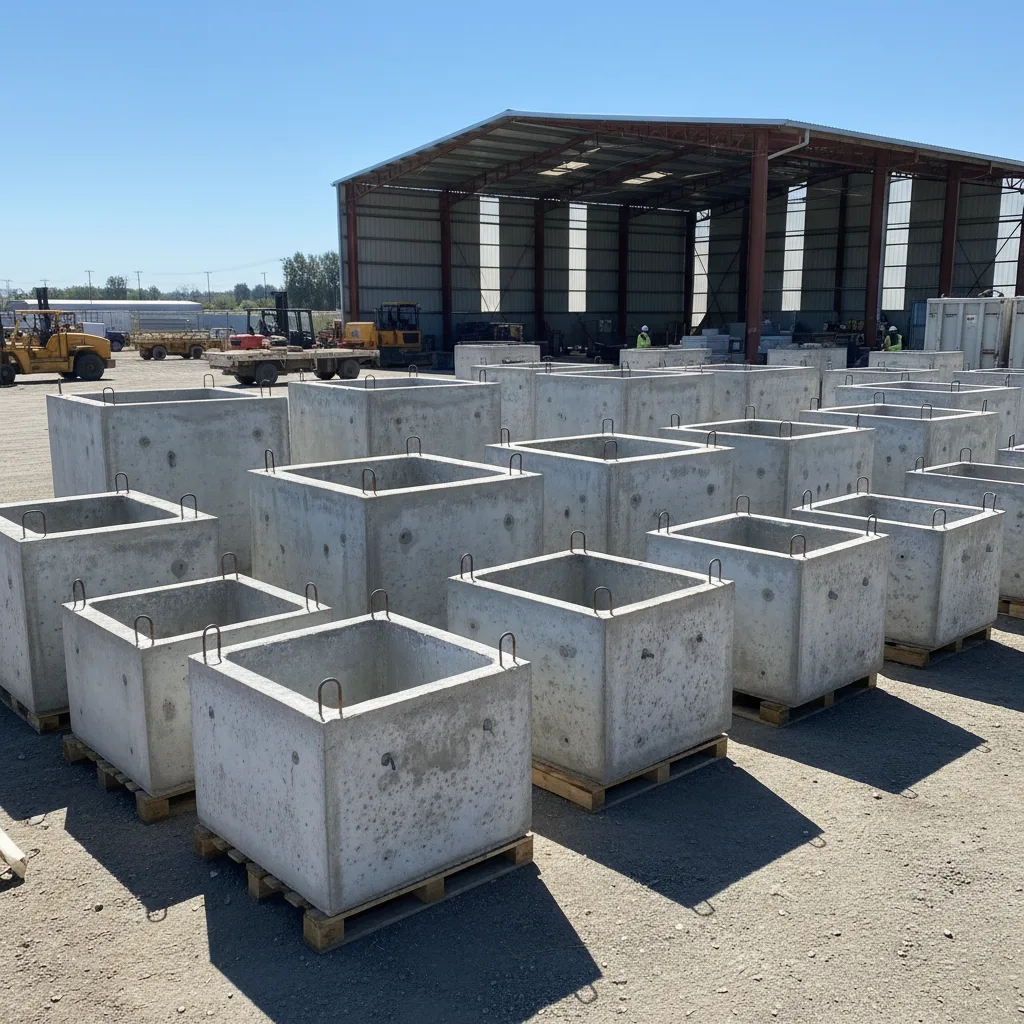
Grease trap service in Charlotte costs between $150 and $600 per visit depending on trap size, service frequency, and accessibility. Commercial kitchens across the Queen City face strict FOG (fats, oils, grease) regulations from Charlotte Water, making reliable maintenance essential to avoid fines that start at $500 and can escalate to thousands for repeat violations.
How Much Does Grease Trap Cleaning Cost in Charlotte?
Charlotte grease trap service pricing follows a tiered structure based on capacity and service complexity. A 50-gallon under-sink trap typically runs $150–$250 per cleaning, while larger 1,000-gallon outdoor interceptors range from $350–$600 per service. These rates align with regional grease trap cleaning cost by city benchmarks across North Carolina, though Charlotte's competitive service market keeps prices moderate.
Service frequency directly impacts annual costs. Most Charlotte restaurants operate on quarterly cleaning schedules, translating to $600–$2,400 annually for standard-sized traps. High-volume kitchens processing significant grease loads—such as barbecue restaurants and fried chicken establishments—often require monthly service, pushing annual costs to $1,800–$7,200.
| Trap Size/Scenario | Cost Range |
|---|---|
| 50-gallon under-sink trap | $150–$250 per service |
| 250-gallon in-ground trap | $250–$400 per service |
| 500-gallon outdoor interceptor | $300–$450 per service |
| 1,000-gallon interceptor | $400–$600 per service |
| Emergency/after-hours service | Base rate + $100–$200 premium |
| Difficult access (confined space) | Base rate + $75–$150 |
Additional factors affecting Charlotte pricing include disposal fees, which average $0.08–$0.15 per gallon of waste hauled. Charlotte Water requires licensed haulers to dispose of grease trap waste at approved facilities, and these costs get passed to customers. Providers serving grease trap services in North Carolina typically bundle disposal fees into their quoted rates rather than itemizing separately.
Charlotte FOG Regulations and Compliance Requirements
Charlotte Water enforces a comprehensive FOG program requiring all food service establishments to install, maintain, and clean grease traps at intervals preventing system overflows. The city mandates cleaning when traps reach 25% capacity—not the 50% threshold some operators mistakenly believe.
Documentation requirements in Charlotte are strict. Operators must maintain service records for three years and produce them upon request during inspections. Service providers issue manifests after each cleaning detailing date, gallons removed, and disposal location. Missing or incomplete records trigger compliance warnings that escalate to fines if not remedied within 30 days.
Charlotte Water conducts unannounced inspections of food service establishments. Failing inspection due to overdue grease trap maintenance results in immediate violation notices with 10-day correction deadlines. Second violations within 12 months can trigger permit suspension and mandatory facility closure until compliance is restored.
The city's FOG compliance guide outlines specific requirements for different establishment types. Quick-service restaurants typically need monthly service, full-service restaurants require quarterly cleaning, and bakeries or coffee shops with minimal grease production may qualify for semi-annual schedules—though Charlotte Water makes final determinations based on trap performance monitoring.
Most Charlotte restaurants discover compliance violations during health inspections, not FOG inspections—and health department findings trigger automatic referrals to Charlotte Water's enforcement division.
What Affects Grease Trap Service Pricing in Charlotte?
Geographic location within the Charlotte metro influences service costs. Establishments in Uptown, South End, and NoDa typically pay standard rates due to provider density and easy access. Restaurants in outlying areas like Ballantyne, University City, or Steele Creek may incur $25–$50 travel surcharges, particularly from providers based in central Charlotte.
Trap accessibility significantly impacts pricing. Outdoor interceptors at ground level with clear vehicle access command base rates. Indoor traps requiring technicians to navigate through kitchen spaces, basements, or tight corridors add 10–20% to service costs. Traps beneath fixed equipment or requiring confined space entry protocols push premiums to 25–40% above standard pricing.
Negotiate annual service contracts rather than per-visit pricing. Charlotte providers typically discount contracted services 15–25% compared to on-demand calls. Contracts also guarantee priority scheduling and stabilize costs against fuel surcharge fluctuations that affect spot pricing.
Service complexity varies by trap condition. Well-maintained traps requiring routine pumping and cleaning take 45–90 minutes. Neglected traps with hardened grease buildup, damaged baffles, or clogged inlet/outlet pipes require 2–4 hours of labor plus specialized equipment. These problem cleanings can double or triple standard service costs.
Charlotte's restaurant density creates competitive pricing among providers, but quality varies. The lowest-priced services often skip critical steps—scraping baffle walls, inspecting gaskets, or thoroughly cleaning outlet pipes. Proper service includes pumping waste, hydroblasting interior surfaces, inspecting mechanical components, and documenting trap condition. Cutting corners saves 15 minutes per stop but creates compliance risks and shortens trap lifespan.
Choosing the Right Grease Trap Service Provider in Charlotte
Charlotte requires all grease trap service providers to hold city-issued hauler permits. Verify permit status before contracting services—unlicensed haulers cannot legally dispose of waste at approved facilities, leaving restaurant operators liable for improper disposal violations even when they hired third parties.
Established Charlotte providers maintain fleets of vacuum trucks sized for different trap capacities. Smaller 500-gallon trucks serve under-sink traps and tight-access locations, while 2,000–3,000 gallon trucks handle large interceptors efficiently. Providers dispatching oversized trucks to small traps waste time and fuel, inflating costs unnecessarily.
Request service manifests immediately after each cleaning and file them chronologically. During Charlotte Water inspections, producing organized records on-demand demonstrates proactive compliance management and often results in shorter, less invasive inspection visits.
Response time matters when traps fail unexpectedly. Backups during service hours force kitchen shutdowns that cost $500–$2,000 in lost revenue per hour for busy restaurants. Reliable providers offer emergency service with 2–4 hour response windows, though premium charges apply. Budget providers may quote 24–48 hour emergency response, creating unacceptable downtime risks.
Service documentation quality separates professional providers from budget operators. Comprehensive manifests include photographic evidence of trap condition before and after service, measurements of grease accumulation, notes on mechanical issues requiring attention, and recommendations for schedule adjustments. This documentation proves invaluable during compliance audits and helps operators optimize maintenance intervals.
Reducing Grease Trap Service Costs in Charlotte
Kitchen staff training delivers the highest ROI for reducing grease trap expenses. Teaching employees proper waste handling—scraping plates into trash rather than sinks, never pouring fryer oil down drains, and using sink strainers—cuts grease accumulation 30–50%. Reduced accumulation extends cleaning intervals and lowers per-service costs by decreasing waste volume.
Installing grease recovery devices upstream of traps captures fats and oils before they enter the system. Automatic grease removal units cost $2,000–$8,000 installed but can reduce pumping frequency by 25–40% for high-volume kitchens. The payback period typically runs 18–36 months depending on current service costs.
Scheduling flexibility creates savings opportunities. Providers charge premium rates for Friday-Sunday service when restaurants are busiest. Mid-week morning appointments—Tuesday through Thursday between 6 AM and 10 AM—command standard rates because they fill technician schedules during off-peak hours. Some Charlotte providers discount early-morning slots 10–15%.
Multi-location operators should consolidate services with single providers to leverage volume discounts. Managing three or more Charlotte locations through one service company typically yields 12–20% cost reductions compared to individual location contracts. Providers value guaranteed route density and pass savings through lower per-stop pricing.
Frequently Asked Questions
How often do grease traps need cleaning in Charlotte?
Charlotte requires grease trap cleaning when traps reach 25% capacity, which typically means quarterly service for most restaurants. High-volume kitchens need monthly cleaning, while low-grease establishments may qualify for semi-annual schedules pending Charlotte Water approval. Service frequency depends on kitchen volume, menu type, and trap size.
What happens if I miss a grease trap cleaning in Charlotte?
Missing scheduled cleanings violates Charlotte Water FOG regulations and triggers fines starting at $500 for first offenses. Repeat violations escalate to $1,000–$10,000 penalties and can result in permit suspension requiring facility closure until compliance is restored. Most violations occur during routine health department inspections that automatically refer non-compliant establishments to Charlotte Water enforcement.
Can I clean my own grease trap in Charlotte?
Charlotte prohibits self-service grease trap cleaning unless operators hold city hauler permits and can legally dispose of waste at approved facilities. Improper disposal—including pouring waste down drains or disposing in dumpsters—violates city and federal regulations. Professional service costs less than violation fines and eliminates liability risks.
Do Charlotte grease trap services include disposal fees?
Most Charlotte providers bundle disposal fees into quoted service rates rather than itemizing separately. Disposal costs average $0.08–$0.15 per gallon of waste removed. Confirm whether quotes include all costs or add disposal charges to avoid surprise billing after service completion.
What size grease trap does my Charlotte restaurant need?
Charlotte Water determines required trap size based on kitchen fixture units, seating capacity, and menu type. Undersized traps require excessive cleaning frequency and risk compliance violations. New installations and major renovations require Charlotte Water plan approval before construction begins to ensure proper sizing.
Find verified grease trap services in your area at https://www.greasetraplocator.com.
Find verified, local contractors who handle cleaning, pumping, and FOG compliance — in your area.
