Grease Trap Service in Chicago, IL: Costs, Rules & Providers

27 Mar 2026 7 min read No comments Pricing & Costs
Featured image


Grease trap service in Chicago costs between $150 and $600 per cleaning for most restaurants, with monthly maintenance running $200–$800 depending on trap size and kitchen volume. Chicago's strict FOG (fats, oils, and grease) ordinances require regular maintenance, and non-compliance can result in fines starting at $500 per violation. This guide covers pricing benchmarks, local regulations, and how to choose a provider that keeps your operation compliant.

How Much Does Grease Trap Service Cost in Chicago?

Chicago grease trap service pricing depends on trap capacity, service frequency, and whether you need pumping, cleaning, or both. Small under-sink traps (10–50 gallons) typically cost $150–$250 per service, while mid-sized traps (100–500 gallons) range from $250–$450. Large outdoor interceptors over 1,000 gallons can exceed $600 per visit, especially if they require hydro-jetting or sludge disposal at certified facilities.

Most Chicago restaurants schedule service monthly or quarterly based on kitchen output. High-volume operations — pizza kitchens, steakhouses, deep-fry operations — often need bi-weekly or even weekly service to prevent blockages and stay compliant with city ordinances. Comparing grease trap cleaning cost by city helps contextualize Chicago's pricing, which runs slightly above the national average due to stringent waste disposal requirements and higher operational costs in dense urban environments.

Service Type Typical Cost Range
Under-sink trap cleaning (10–50 gal) $150–$250
Mid-size trap cleaning (100–500 gal) $250–$450
Large outdoor interceptor (1,000+ gal) $450–$800+
Emergency cleanout (24-hour service) $350–$1,200
Monthly maintenance contract (avg kitchen) $200–$500/month

Emergency service carries premium rates — often 1.5× to 2× standard pricing — and availability varies by provider. During winter months, frozen grease lines and increased blockage rates drive up both demand and costs. Locking in a maintenance contract stabilizes pricing and guarantees priority scheduling, which matters during Chicago's harsh winters when system failures spike.

Best Practice
Request itemized quotes that separate pumping, cleaning, disposal fees, and travel charges. Chicago providers should include manifests proving proper waste disposal at licensed facilities — this protects you from liability if a hauler dumps illegally.

Chicago FOG Ordinance Requirements for Restaurants

Chicago's Department of Water Management enforces FOG regulations under the city's Sewer Use Ordinance, which mandates grease trap installation and maintenance for all food service establishments. The city requires traps to be cleaned when they reach 25% capacity — not when they overflow. Inspectors use depth measurements to verify compliance, and violations carry fines starting at $500 per incident, escalating to $1,000+ for repeat offenders.

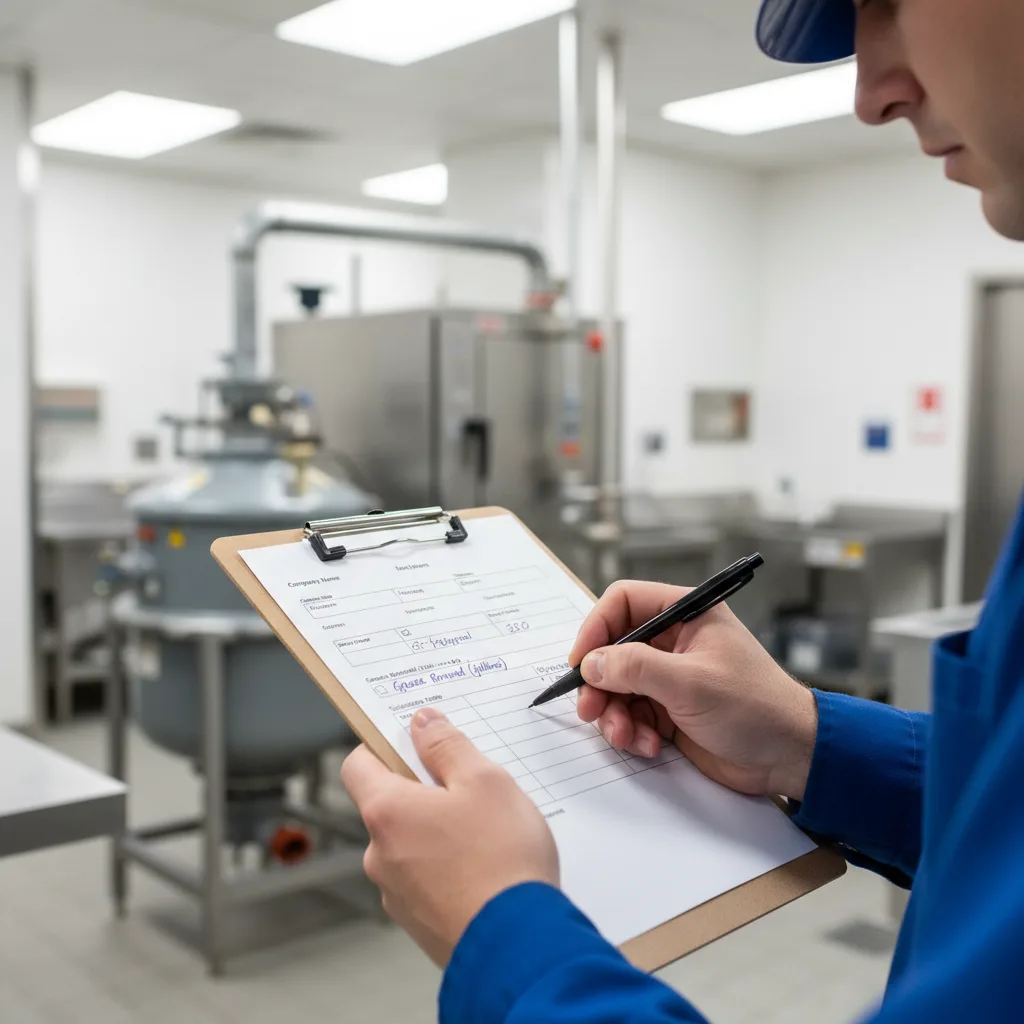
Restaurants must maintain cleaning logs with service dates, gallons removed, and hauler information. These records must be available for inspection on demand, and missing documentation is itself a citable offense. Chicago also requires all grease waste to be transported to facilities with valid disposal permits, making hauler verification critical. Using our FOG compliance guide helps navigate these requirements and avoid costly penalties.

Important
Chicago's Water Department can issue immediate closure orders for severe FOG violations. Restaurants that cause sewer backups due to grease negligence face fines up to $10,000 plus repair costs and potential civil liability if neighboring businesses are affected.

The city's enforcement has intensified in recent years following high-profile sewer overflows linked to restaurant grease. Inspectors now conduct unannounced visits in high-density dining districts — particularly River North, West Loop, and Lincoln Park — where grease-related blockages stress aging infrastructure. Establishments without current service records or with visibly neglected traps receive immediate citations.

Chicago's FOG program recovered over 12 million gallons of grease from the sewer system in 2023, preventing an estimated $4.8 million in infrastructure damage and emergency repairs.

What to Look for in a Chicago Grease Trap Service Provider

Legitimate Chicago grease trap haulers must hold valid waste hauler permits from the Illinois Environmental Protection Agency (IEPA) and register with the city's Department of Water Management. Verify both credentials before signing a contract — unlicensed operators offer lower prices but expose you to liability if they dispose of waste improperly. Ask for permit numbers and check them against state databases.

Reliable providers offer 24/7 emergency response, critical during backups that shut down kitchen operations. Response times matter — a provider serving the entire metro area may take hours to reach your location during peak periods, while locally-focused companies often dispatch within 60–90 minutes. For urgent situations, consult our grease trap emergency guide for immediate action steps while help is en route.

Best Practice
Choose providers that offer digital service records accessible through a customer portal or app. These records simplify compliance during inspections and eliminate the paper trail management that causes many citation headaches.

Service scope varies significantly between providers. Basic pumping removes liquid waste but leaves sludge buildup that accelerates future blockages. Comprehensive cleaning includes scraping sidewalls, vacuuming settled solids, and hydro-jetting inlet/outlet lines. This thorough approach costs 20–30% more but extends service intervals and reduces emergency callouts — ultimately lowering total annual costs.

Contract terms deserve careful review. Month-to-month agreements offer flexibility but typically carry higher per-service rates. Annual contracts lock in pricing and guarantee service slots, valuable during Chicago's winter months when demand surges and appointment availability tightens. Many providers offer 5–10% discounts for annual prepayment, and some bundle grease trap service with cooking oil recycling for additional savings.

78%
Percentage of Chicago restaurant grease trap violations that stem from inadequate cleaning frequency, not equipment failure

Seasonal Considerations for Chicago Grease Trap Maintenance

Chicago's extreme temperature swings create unique grease trap challenges that impact service needs and costs. Winter cold causes grease to solidify faster in pipes and traps, reducing effective capacity and increasing blockage risk. Outdoor interceptors are particularly vulnerable — grease that remains liquid at 70°F becomes waxy at 32°F, potentially requiring hydro-jetting or heated cleaning solutions that add $100–$250 to standard service costs.

Many Chicago operators increase service frequency from November through March to compensate for cold-weather solidification. A trap normally cleaned quarterly may need monthly service during winter months. Providers familiar with Chicago conditions anticipate this and often recommend adjusted schedules as temperatures drop, preventing mid-winter emergencies that carry premium service fees and lost revenue from kitchen downtime.

Summer brings different challenges. Higher outdoor dining volume increases kitchen output, filling traps faster. Warm weather also accelerates bacterial decomposition, creating stronger odors and increasing the risk of sewer gas backflow. June through September typically sees 20–30% higher service demand, and providers may limit appointment availability during peak weeks. Scheduling summer cleanings 2–3 weeks in advance avoids delays that push you past compliance thresholds.

How to Reduce Long-Term Grease Trap Service Costs

Proper kitchen practices significantly extend service intervals and reduce annual grease trap costs. Staff training on scraping plates thoroughly before washing eliminates the largest source of trap contamination. Installing drain screens catches food particles before they enter the system, and requiring employees to dispose of fryer oil in collection containers — not down drains — prevents the rapid capacity loss that forces frequent cleanings.

Regular trap maintenance reduces total cost of ownership. A neglected trap deteriorates faster, requiring more frequent deep cleaning or eventual replacement. Chicago's chloride-heavy winter runoff and aggressive municipal cleaning chemicals corrode metal traps, making stainless steel or composite materials worth the upfront investment for long-term operations. Expect quality traps to last 15–20 years with proper maintenance versus 8–12 years for budget units subjected to minimal care.

Enzyme and biological treatments marketed as grease trap solutions produce mixed results. These products may reduce odors but rarely eliminate the need for mechanical cleaning — they shift grease downstream rather than breaking it down completely. Chicago's ordinance specifically prohibits relying on additives in place of proper pumping and cleaning. Save the $50–$150 monthly cost of these treatments and invest in more frequent professional service instead.

Frequently Asked Questions

How often do restaurants in Chicago need grease trap cleaning?

Most Chicago restaurants need grease trap cleaning every 30–90 days depending on kitchen volume and trap size. High-volume establishments like steakhouses and pizzerias often require bi-weekly or monthly service, while lower-volume cafes may extend to quarterly cleaning. Chicago ordinance requires cleaning when traps reach 25% capacity regardless of calendar schedule.

What happens if my grease trap fails inspection in Chicago?

Chicago issues citations starting at $500 for first-time grease trap violations, with fines increasing to $1,000+ for repeat offenses. Severe violations can result in immediate closure orders until compliance is restored. You'll need documented proof of service and repairs before the city allows you to reopen, and you may face follow-up inspections to verify ongoing compliance.

Can I clean my own grease trap to save money?

Chicago regulations allow self-cleaning but require proper waste disposal at licensed facilities, which eliminates most cost savings. You must maintain the same documentation as professional services and transport waste in approved containers. Most restaurants find professional service more cost-effective when factoring in labor, disposal fees, and compliance risk.

Do Chicago grease trap services offer emergency response?

Most established Chicago providers offer 24/7 emergency service with response times ranging from 60 minutes to 4 hours depending on location and demand. Emergency rates run 1.5× to 2× standard pricing, typically $350–$1,200 for immediate cleanouts. Maintenance contract customers usually receive priority emergency scheduling and sometimes discounted after-hours rates.

What's included in a typical Chicago grease trap cleaning service?

Standard service includes pumping liquid waste, removing settled solids, scraping trap walls, and basic inlet/outlet inspection. Comprehensive cleaning adds hydro-jetting of lines, baffle inspection, gasket checks, and detailed documentation. Disposal fees and manifests proving legal waste handling should be included. Some providers bundle cooking oil recycling or offer discounts for combined services.

Find verified grease trap services in your area at https://www.greasetraplocator.com.

Grease Trap Locator Editorial Team
Author: Grease Trap Locator Editorial Team

The Grease Trap Locator editorial team covers FOG compliance, grease trap maintenance, and commercial kitchen regulations across the US and Canada. Our guides are written for restaurant owners, facility managers, and food service operators who need practical, accurate information without the fluff.

Need a Licensed Grease Trap Service?

Find verified, local contractors who handle cleaning, pumping, and FOG compliance — in your area.

Find a Verified Contractor