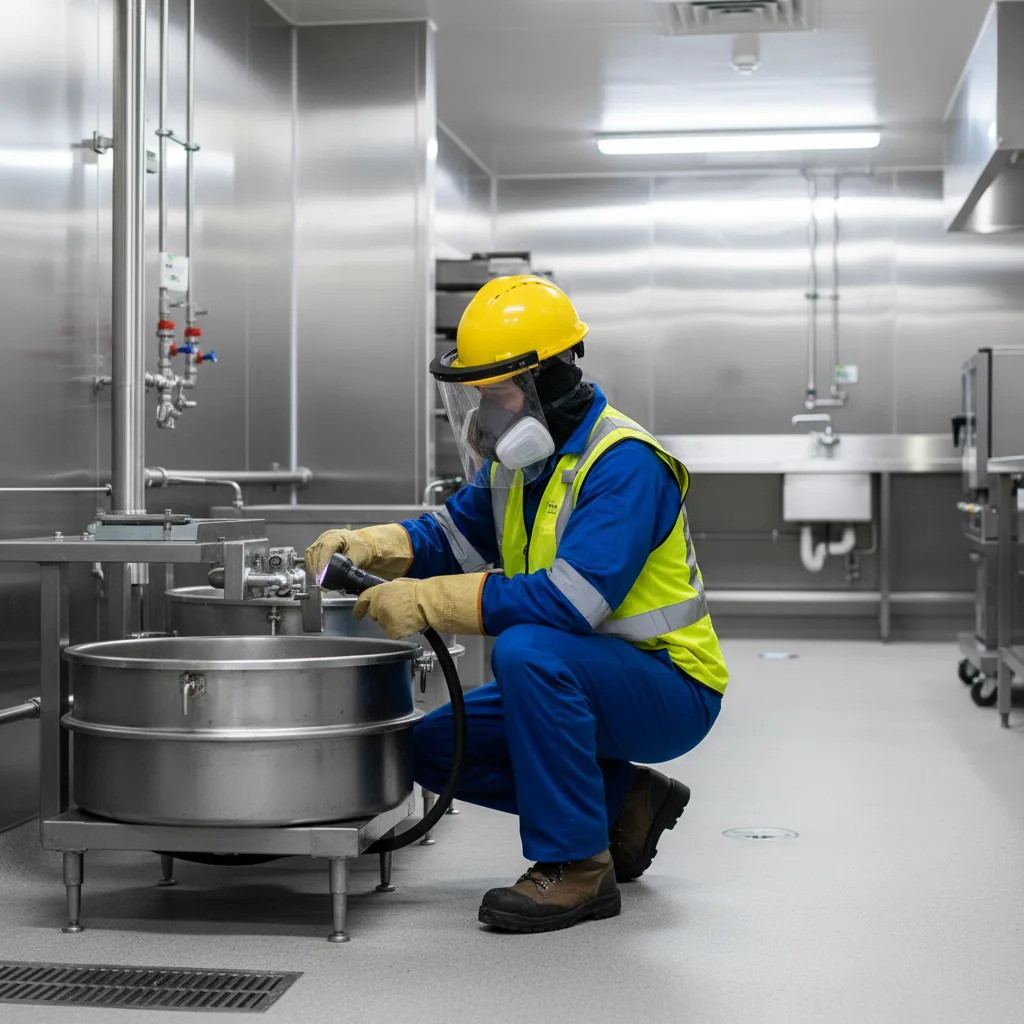
Grease trap service in Houston typically costs between $150 and $600 per cleaning, with most restaurants paying $250–$400 depending on trap size, location accessibility, and service frequency. Houston's strict FOG (fats, oils, and grease) regulations require regular maintenance, and choosing the right provider means balancing cost, compliance, and reliability in a city where kitchen downtime directly impacts revenue.
Houston's restaurant scene operates under City of Houston wastewater discharge regulations that mandate grease trap maintenance for all food service establishments. Understanding local pricing structures, compliance requirements, and provider options helps you avoid fines, emergency service premiums, and operational disruptions that can cost thousands in lost business.
How Much Does Grease Trap Service Cost in Houston?
Grease trap service pricing in Houston follows a tiered structure based on trap capacity, accessibility, and service frequency. A 20-gallon under-sink trap in a food truck or small café typically costs $150–$225 per cleaning, while a 1,500-gallon outdoor interceptor at a high-volume restaurant runs $400–$600 per service.
Most Houston providers charge by gallons pumped rather than flat rates, with prices ranging from $0.10 to $0.35 per gallon depending on the service package. Emergency cleanings outside business hours command a 50–100% premium, pushing costs to $300–$900 for urgent calls. Contracts with scheduled monthly or quarterly service reduce per-visit costs by 15–25% compared to on-demand pricing.
| Service Scenario | Typical Cost Range |
|---|---|
| Small trap (20–50 gallons) — monthly service | $150–$225 per visit |
| Medium trap (100–500 gallons) — monthly service | $250–$400 per visit |
| Large interceptor (1,000–2,000 gallons) — quarterly service | $400–$600 per visit |
| Emergency service (after hours/weekends) | $300–$900 per visit |
| Grease trap installation (500-gallon capacity) | $2,500–$5,000 |
Geographic location within Houston affects pricing due to travel time and disposal facility proximity. Restaurants in the Galleria or Downtown core often pay $20–$50 less per service than establishments in Katy, Pearland, or The Woodlands because providers consolidate routes in high-density areas. Comparing grease trap cleaning cost by city reveals Houston falls in the mid-range nationally, with prices 10–15% lower than coastal markets like Los Angeles but 20% higher than smaller Texas metros.
Service contracts bundling cleaning, inspection, and compliance documentation typically include three-month, six-month, or annual agreements. Three-month contracts offer the most flexibility but command higher per-visit rates ($275–$425 for medium traps). Annual contracts lock in the lowest rates ($225–$350) but require commitment regardless of business volume fluctuations. Most Houston providers require 30–60 days' notice for contract cancellations.
Houston Grease Trap Regulations and Compliance Requirements
The City of Houston Public Works Department enforces FOG management regulations through the Houston Plumbing Code, which requires all food service establishments to install and maintain grease interceptors sized according to fixture unit load calculations. Restaurants must maintain service records for three years and provide documentation during health inspections or city audits.
Cleaning frequency requirements depend on the "25% rule" — grease traps must be serviced before accumulated grease and solids reach 25% of the total liquid depth. For most Houston restaurants, this translates to monthly cleanings, though high-volume kitchens producing significant fried foods may require bi-weekly service. The City can issue notices of violation (NOVs) for traps exceeding the 25% threshold, with fines starting at $500 and escalating to $1,000–$2,000 for repeat offenses.
Houston wastewater ordinance 2001-0928 requires licensed haulers to provide manifest documentation for every grease trap cleaning. Using unlicensed providers — even at lower costs — exposes your business to fines up to $2,000 per violation and potential permit suspension during health department reviews.
Harris County and surrounding jurisdictions enforce similar but not identical regulations, creating compliance complexity for restaurants operating multiple locations. Sugar Land, for instance, requires quarterly inspections regardless of trap size, while unincorporated Harris County follows state plumbing code minimums. Businesses throughout the greater Houston area should verify specific requirements with their local authority having jurisdiction (AHJ).
Manifest documentation from licensed haulers must include service date, gallons removed, disposal facility receipt, and technician certification number. These records prove compliance during health inspections and provide defense against FOG-related sewer backup liability claims. Providers should deliver manifests within 24–48 hours of service, either electronically or in hard copy.
Houston restaurants face average fines of $1,500–$3,500 for FOG violations during routine inspections, but prevention through proper service scheduling costs just $2,400–$4,800 annually — making compliance the clear financial choice.
What to Look for in Houston Grease Trap Service Providers
Licensed grease trap haulers in Houston must hold Texas Commission on Environmental Quality (TCEQ) registration and City of Houston wastewater discharge permits. Verify provider credentials by requesting TCEQ registration numbers and confirming active status through the state database before signing contracts. Unlicensed operators may offer 20–30% lower rates but cannot provide legally valid manifest documentation.
Response time matters in Houston's competitive restaurant environment where backup-related closures cost $2,000–$5,000 per day in lost revenue. Top providers guarantee 24-hour response for emergencies and offer same-day or next-day service for routine calls. Ask potential providers about their service radius, average response times for your location, and whether they maintain backup trucks for equipment failures.
Request references from restaurants similar to yours in size and cuisine type. A provider experienced with Tex-Mex or barbecue establishments understands high-fat cooking challenges better than one serving primarily corporate cafeterias or coffee shops.
Equipment quality affects service thoroughness and kitchen disruption time. Providers using modern vacuum trucks with camera inspection capabilities complete jobs 30–40% faster and identify developing problems before they cause emergencies. Ask whether providers pressure-wash baffles, inspect inlet/outlet tees, and check for structural deterioration during routine service — not just pump waste.
Many Houston providers now offer additional services including drain line jetting, enzyme treatments, and automated monitoring systems. Drain jetting ($150–$350 per service) prevents clogs in lines feeding the trap, while enzyme additives ($50–$100 monthly) can extend time between cleanings by 15–20% for some kitchens. Digital monitoring sensors ($200–$400 installed, plus $30–$50 monthly monitoring fees) alert you when grease levels approach the 25% threshold, preventing emergency situations.
Contract terms should specify service windows, cancellation policies, price adjustment clauses, and liability coverage. Reputable providers carry $1–$2 million general liability insurance and workers' compensation coverage protecting your business from service-related accidents. Request certificates of insurance naming your establishment as additional insured before work begins.
Emergency Service and After-Hours Support in Houston
Grease trap emergencies — overflows, backups, or health inspector failures — require immediate response to minimize revenue loss and compliance exposure. Houston's 24/7 service market includes dedicated emergency providers and established companies offering after-hours support, with significant cost differences between the two.
Dedicated emergency services charge premium flat rates ($400–$900) but guarantee arrival within 2–4 hours regardless of day or time. Established providers offering after-hours support through on-call technicians typically charge standard rates plus 50–75% surcharges ($300–$600 total) but may have 4–8 hour response windows depending on technician availability. Understanding how to find 24/7 emergency grease trap service before problems arise saves critical decision-making time during crisis situations.
Most grease trap emergencies stem from deferred maintenance or inadequate service frequency. Restaurants cleaning monthly when bi-weekly service is appropriate experience 3–4 times more emergency calls than properly maintained establishments. Tracking trap fill rates over three to six months reveals whether your current schedule matches operational demands.
Maintain relationships with two providers — one for scheduled service and a backup for emergencies or scheduling conflicts. This redundancy prevents desperate last-minute searches when your primary provider can't accommodate urgent needs.
Houston's health inspection system operates year-round with unannounced visits, making grease trap compliance non-negotiable. Failed inspections trigger re-inspection fees ($200–$300), potential permit holds, and mandatory corrections within 10–15 days. Having an emergency service contact ready for immediate response protects your permit status and customer service continuity.
Regional Cost Factors Specific to the Houston Market
Houston's size and sprawl create distance-based pricing variations that smaller markets don't experience. Restaurants in core neighborhoods like Montrose, Midtown, and the Heights benefit from concentrated service routes that reduce provider travel time and fuel costs. Establishments in suburban areas like Cypress, League City, or Friendswood typically pay $30–$75 more per service to offset the 30–60 minute round-trip travel time.
Disposal facility locations significantly impact pricing structure. Houston has multiple TCEQ-approved facilities in Harris County, Fort Bend County, and Montgomery County, but not all providers have access to all facilities. Providers using the closest appropriate facility pass savings to customers through lower per-gallon disposal fees ($0.08–$0.12 versus $0.15–$0.20 for distant facilities).
Seasonal demand fluctuations affect emergency service availability and pricing. Houston's peak tourist season (November through March) and major events like the Houston Livestock Show and Rodeo create temporary capacity crunches that can extend routine service windows by 2–5 days. Restaurants in high-traffic areas should schedule service before major events rather than waiting for regular monthly dates during peak periods.
Labor market conditions in Houston's service sector influence pricing stability. The city's relatively lower cost of living compared to coastal metros translates to 10–15% lower labor costs for service providers, which flows through to customer pricing. However, competition for qualified technicians during construction booms can temporarily tighten availability and push emergency rates higher.
Comparing providers across grease trap services in Texas reveals Houston's pricing sits between Dallas-Fort Worth rates (5–10% higher due to tighter regulations) and San Antonio rates (8–12% lower due to less stringent enforcement). Austin's pricing mirrors Houston closely, making cross-market provider selection viable for restaurant groups operating in multiple Texas cities.
Frequently Asked Questions
How often do restaurants in Houston need grease trap cleaning?
Most Houston restaurants require monthly grease trap cleaning to comply with the 25% rule enforced by city ordinance. High-volume kitchens producing significant fried foods may need bi-weekly service, while low-volume establishments like coffee shops might extend to quarterly cleanings with proper documentation showing compliance with the 25% threshold.
What licenses should Houston grease trap service providers have?
Houston grease trap haulers must hold active Texas Commission on Environmental Quality (TCEQ) registration and City of Houston wastewater discharge permits. Verify TCEQ registration numbers through the state database and request proof of liability insurance ($1–$2 million minimum) and workers' compensation coverage before signing service contracts.
Can I clean my restaurant's grease trap myself to save money?
Self-cleaning is legal in Houston but impractical for most restaurants because you must transport waste to TCEQ-approved disposal facilities and maintain compliant manifest documentation. The cost of disposal fees, transportation, and documentation time typically exceeds professional service rates, and improper disposal carries fines up to $10,000.
What happens if I miss a scheduled grease trap cleaning in Houston?
Missing scheduled cleanings that allow grease accumulation beyond 25% of liquid depth violates Houston wastewater ordinance 2001-0928. First violations typically result in notices of violation with $500 fines and mandatory correction within 10 days. Repeat violations escalate to $1,000–$2,000 fines and potential permit suspension during health department reviews.
Do Houston grease trap service costs include disposal fees?
Most Houston providers include disposal fees in their quoted per-gallon or flat-rate pricing, but some charge separately for disposal ($25–$75 per trip) plus pumping costs. Always clarify whether quotes are all-inclusive or itemized before signing contracts to avoid unexpected charges on invoices after service completion.
Finding the right grease trap service provider in Houston means balancing cost, compliance support, and reliability to protect both your operating budget and regulatory standing. Verify licenses, compare contract terms, and establish backup relationships before emergencies force rushed decisions at premium rates. Find verified grease trap services in your area.
Find verified, local contractors who handle cleaning, pumping, and FOG compliance — in your area.
