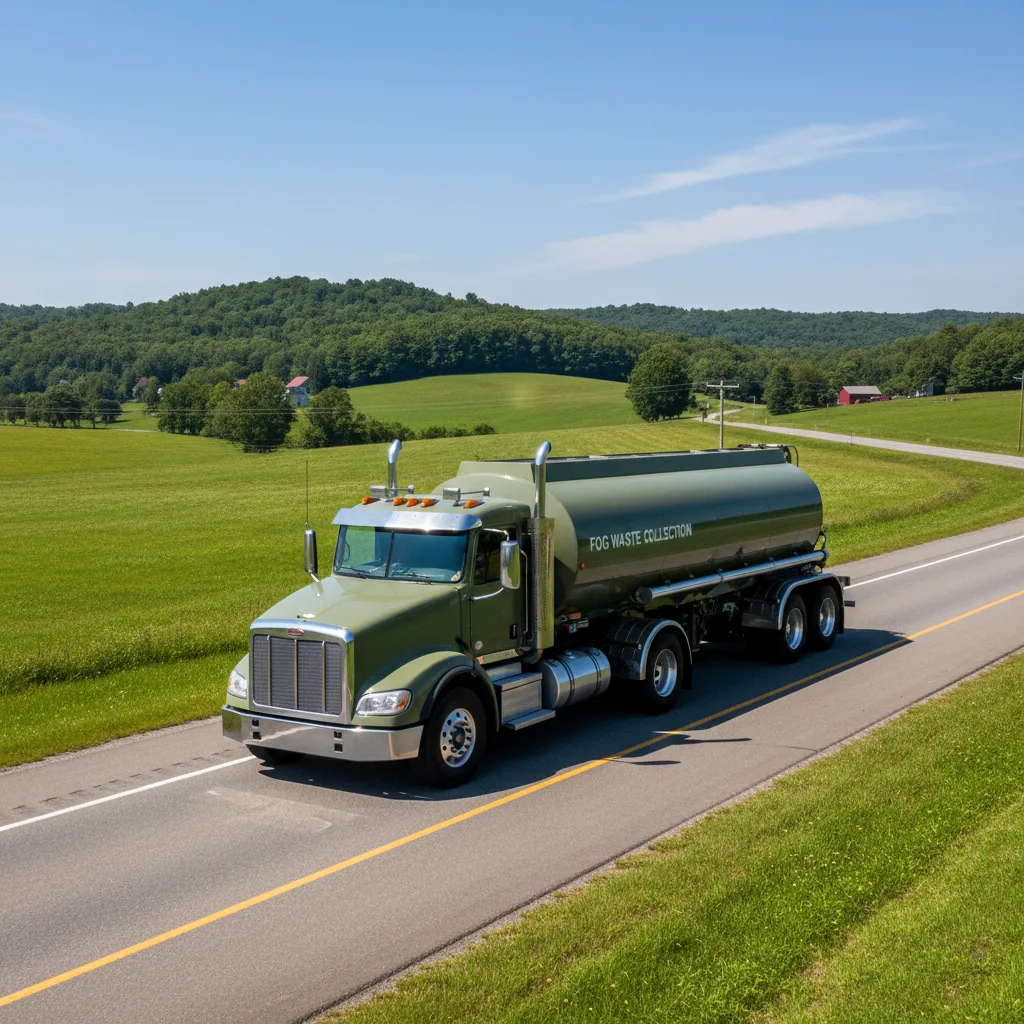
Fast food restaurants must install grease traps sized to handle high-volume fryer operations, typically ranging from 500 to 2,000 gallons depending on daily meal output and local plumbing codes. These systems prevent fats, oils, and grease (FOG) from entering municipal sewer lines — a violation that triggers fines from $500 to $25,000 per incident in most jurisdictions. This guide covers sizing requirements, installation mandates, and maintenance schedules specific to quick-service establishments.
Why Fast Food Kitchens Face Stricter Grease Trap Standards
Fast food operations generate substantially more FOG than traditional restaurants due to continuous fryer use and high menu turnover. A typical quick-service location produces 200–400 pounds of waste grease weekly compared to 50–100 pounds for casual dining establishments. This volume differential explains why municipal codes impose heavier-duty grease interception requirements on chains like burger franchises, fried chicken outlets, and pizza operations.
The Uniform Plumbing Code (UPC) and International Plumbing Code (IPC) both classify food service establishments by fixture unit count and meal projections. Fast food kitchens typically exceed the 50-meal-per-day threshold that triggers mandatory grease trap installation. Many jurisdictions apply additional multipliers for fryers, requiring 1.5x to 2x standard capacity calculations when deep fryers operate continuously during business hours.
Code enforcement varies by municipality, but most health departments conduct pre-opening inspections and quarterly compliance checks. Violations discovered during these audits delay operating permits or force immediate kitchen shutdowns until systems meet specifications. Franchise operators face additional scrutiny because corporate lease agreements often require documented compliance to maintain brand standards.
How to Calculate Required Grease Trap Capacity for Your Operation
Grease trap sizing begins with fixture unit calculations that account for every sink, dishwasher, and floor drain connected to the interceptor. The standard formula multiplies fixture units by drainage load to determine minimum gallon capacity. Fast food kitchens must add fryer load calculations — most codes require 6 cubic inches of grease retention capacity per 1,000 BTU/hour of fryer input.
A 70-pound capacity fryer operating at 120,000 BTU requires approximately 720 cubic inches of dedicated retention space. Kitchens running multiple fryer banks during peak hours often need 1,000+ gallon interceptors to handle simultaneous drainage from prep sinks, three-compartment ware-washing stations, and mop sinks. Under-sizing creates backflow incidents that contaminate food prep areas and violate health codes.
Request sizing calculations from licensed plumbing engineers rather than relying on equipment supplier estimates. Engineers factor in local amendments to plumbing codes that generic sizing charts miss, preventing costly retrofits during permit review.
Flow rate matters as much as total capacity. Fast food drainage patterns involve high-volume surges when fryers dump oil or dishwashers drain simultaneously. Grease traps must accommodate peak flow rates of 50–75 gallons per minute without bypass — the condition where grease-laden water flows past baffles before separation occurs. Many municipalities now require flow control devices that meter drainage rates to optimize separation efficiency.
Hydromechanical grease interceptors (HGI) suit most fast food applications because they handle intermittent high flows better than gravity units. These above-ground units mount near fixture groups and use internal baffles to separate FOG in compact footprints. In-ground concrete interceptors serve multi-tenant food courts or drive-through operations where outdoor installation space exists. The choice between HGI and gravity systems depends on building layout, soil conditions, and local code preferences.
Installation Requirements and Location Restrictions
Plumbing codes mandate grease trap placement between FOG-generating fixtures and the building's sanitary sewer connection. The interceptor must be accessible for cleaning without disrupting food service operations. Indoor HGI units typically install in equipment rooms or utility closets with floor drains to contain overflow during maintenance. Outdoor gravity interceptors require concrete pads, weatherproof access lids rated for traffic loads, and setback distances from property lines.
The most common fast food grease trap failure isn't mechanical — it's improper routing that sends grease directly to sewer lines while clean water flows through the interceptor.
Fixture connections determine compliance. Only drains carrying FOG should route through the grease trap — connecting restroom fixtures or mop sinks dilutes retention capacity and violates most codes. Garbage disposals require separate handling because ground food solids accelerate grease trap fouling. Many jurisdictions prohibit disposal connections entirely in fast food applications, requiring manual food waste removal before dishwashing.
Vent requirements prevent air locks that slow drainage. Grease traps need dedicated vent stacks terminating above the roofline or connection to existing vent systems meeting diameter specifications in local codes. Improper venting creates negative pressure that pulls grease through traps before separation occurs. Installation must include cleanouts at trap inlets and outlets for cable access during blockage emergencies.
Retrofitting existing fast food locations often reveals undersized grease traps grandfathered under old codes. Municipalities enforce current standards during renovation permits, triggering expensive upgrades that can exceed $15,000 for exterior excavation and new concrete interceptors.
Maintenance Frequency Standards for High-Volume Operations
Fast food grease traps require cleaning when accumulated FOG and solids reach 25% of total capacity — the threshold where separation efficiency drops and bypass risk increases. High-volume locations typically hit this limit every 2–4 weeks compared to 60–90 day intervals for lower-volume restaurants. Franchise agreements often mandate weekly inspections and cleaning schedules that exceed local minimums to protect brand reputation.
Professional pumping services use vacuum trucks to remove FOG layers and settled solids, then pressure-wash internal baffles to restore flow patterns. Technicians should document grease depth measurements in maintenance logs that satisfy health department audit requirements. Most jurisdictions require licensed haulers to dispose of trapped grease at approved rendering facilities rather than municipal wastewater treatment plants.
Between professional cleanings, kitchen staff must implement daily FOG management practices. Scraping plates into trash receptacles before dishwashing reduces solid accumulation. Dry-wiping fryer baskets and cookware removes bulk grease before rinsing. These practices extend time between pumpouts and lower annual service costs. Some operators install automated grease removal devices that skim FOG continuously, reducing manual pumping frequency by 50–75%.
Documentation protects against compliance disputes. Maintain service invoices showing pump dates, gallons removed, and hauler manifest numbers. Health inspectors request these records during routine visits — gaps in maintenance history trigger violation notices even if the trap functions properly during inspection. Many municipalities now require electronic reporting through FOG management portals that track service compliance across all permitted establishments.
What Happens When Fast Food Grease Traps Fail Inspection
Health department violations for non-compliant grease traps range from warning notices to immediate operating permit suspension. First offenses typically allow 30–90 days for corrections before fines begin. Repeat violations escalate to daily penalties of $500–$2,500 until compliance is restored. Sewer system damage claims from municipalities add liability exposure — some cities bill restaurants for emergency line cleaning costs exceeding $10,000 per incident.
Common failure points include inadequate sizing, improper fixture connections, and deferred maintenance. Inspectors measure grease depth during visits and calculate days-since-last-cleaning based on service records. Traps exceeding 25% capacity at inspection automatically fail regardless of other compliance factors. Bypass conditions — visible grease in effluent lines — trigger immediate violation notices and mandatory re-inspection after emergency pumping.
Schedule grease trap service during slow periods or closure days to avoid drainage restrictions during peak meal rushes. Coordinate pumping with deep fryer boil-outs to minimize operational disruption while maximizing FOG removal from the entire kitchen drainage system.
Franchise operators face additional consequences from corporate compliance audits. Most brand agreements require documented adherence to all local health codes as lease conditions. Repeated grease trap violations provide grounds for franchise termination or non-renewal. Some chains now mandate automated monitoring systems that alert corporate facilities teams to maintenance delays before local inspectors discover issues.
Frequently Asked Questions
What size grease trap does a fast food restaurant need?
Fast food restaurants typically require 500 to 2,000-gallon grease traps depending on fryer capacity, fixture count, and daily meal volume. A licensed plumbing engineer calculates exact sizing using local code requirements and your kitchen's specific equipment load. Undersized units cause frequent backups and code violations.
How often do fast food grease traps need pumping?
Most fast food operations need grease trap pumping every 2–4 weeks to maintain the 25% capacity threshold required by health codes. High-volume locations with continuous fryer use may require weekly service, while lower-volume units extend to monthly schedules. Document all service dates to satisfy inspector record requests.
Can fast food restaurants use small under-sink grease traps?
Small under-sink grease traps rarely meet code requirements for fast food kitchens due to insufficient capacity for fryer loads and high fixture counts. Most jurisdictions require minimum 500-gallon interceptors for quick-service operations. Under-sink units only work for single prep sinks in limited food service applications.
Do all drains in a fast food kitchen connect to the grease trap?
Only drains handling fats, oils, and grease should connect to grease traps — typically prep sinks, dishwashers, and floor drains in cooking areas. Restroom fixtures, mop sinks, and hand-wash stations must bypass the grease trap to avoid diluting retention capacity and violating plumbing codes.
What are the penalties for non-compliant grease traps in fast food restaurants?
Grease trap violations trigger fines ranging from $500 to $25,000 depending on severity and jurisdiction. First offenses usually allow correction periods before penalties begin, while repeat violations result in daily fines and potential operating permit suspension. Municipalities also bill restaurants for sewer cleaning costs from FOG blockages.
Find verified grease trap services in your area at https://www.greasetraplocator.com.
Find verified, local contractors who handle cleaning, pumping, and FOG compliance — in your area.
