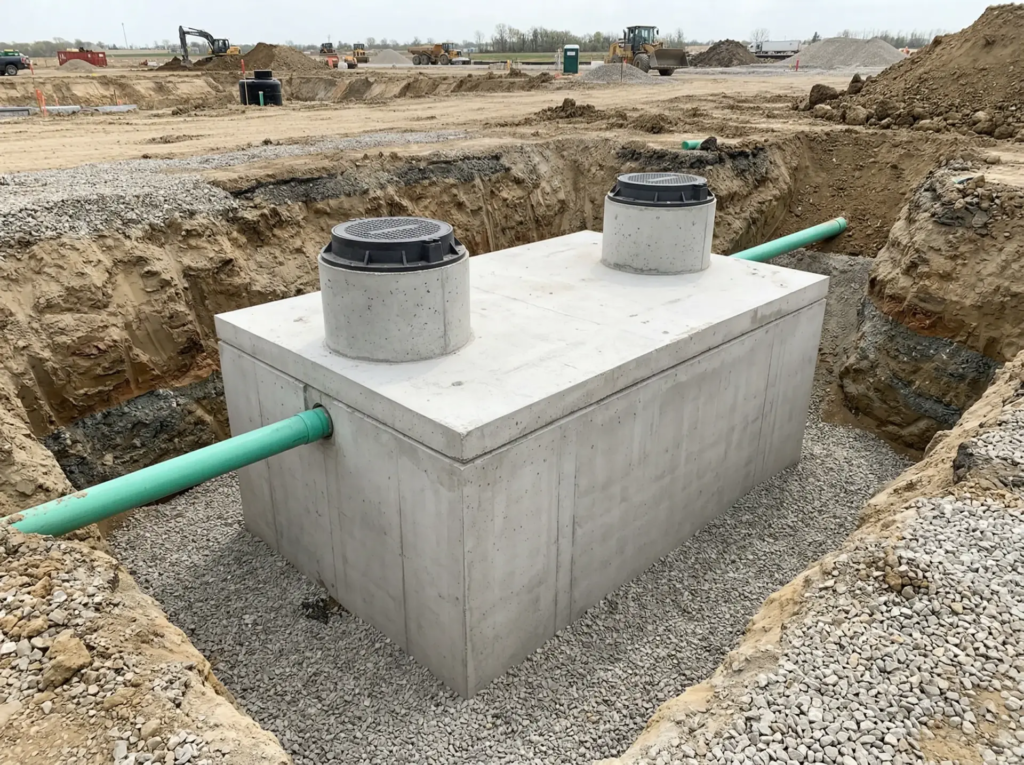

A commercial cooking-oil recycling program is an arrangement for storing used fryer oil separately and having a collector remove it. The container, pickup timing, fees or rebates, contamination rules, records, and cancellation terms should all be confirmed in writing. There is no reliable national price, minimum volume, or standard contract.
What a commercial program can include
EPA’s food-service FOG fact sheet identifies used cooking oil collected separately at the point of use as yellow grease and distinguishes it from grease-trap waste. EPA also lists biogenic waste oils, fats, and greases as possible feedstocks under specified renewable-fuel pathways. These sources support separate collection and potential reuse; they do not promise that every restaurant will receive free service or payment.
- A container selected for the location and the collector's service method.
- Instructions for acceptable oil and contamination control.
- A pickup method based on the facility's actual generation and the provider's route.
- Written fees, rebates, adjustments, ownership, spill, and cancellation terms.
- Collection or weight records when the agreement or local authority requires them.
Keep fryer oil separate from grease-trap waste
Place only the material accepted by the collector into the used-oil container. Water, food, cleaning chemicals, packaging, and grease-trap contents can change how the load is handled or whether it is accepted. See the yellow grease versus grease-trap waste guide for the full distinction.
Do not use the federal petroleum “used oil” rules as cooking-oil instructions. EPA’s business used-oil page defines that program around petroleum-based or synthetic lubricating oils, while EPA’s federal universal-waste list covers five other categories and does not include ordinary cooking oil.
Get these terms in writing
- Accepted material: which oils are accepted, and what contamination is prohibited?
- Container: who owns it, where may it be placed, who cleans or repairs it, and what happens at contract end?
- Service: how is pickup requested or scheduled, and what happens after a missed pickup or overflow risk?
- Money: is service free, paid, or fee-based; what unit and measurement controls any rebate; and what charges can change?
- Records: what receipt, weight, manifest, or service record is supplied, and who retains it?
- Term and exit: what is the term, renewal method, notice deadline, removal process, and responsibility for the final pickup?
Do not rely on a verbal “market rate.” If a payment or charge changes with a commodity measure, require the agreement to identify the unit, reference, timing, quality adjustment, and calculation.
Check local requirements before installation
Container placement and transporter rules are not uniform. For example, Palo Alto has a local outdoor waste-oil containment rule effective July 1, 2026, while California publishes state-specific inedible-kitchen-grease transporter and manifest material. These examples must not be presented as nationwide rules. Ask the local sewer, waste, fire, building, and health authorities which requirements apply to the address.
Compare proposals on the same facts
Give each collector the same location, access, container, oil-quality, and service information. Compare the written scope rather than a headline offer. A provider's website can establish what that provider says it offers, but it cannot establish a national service standard.
If an existing agreement is no longer working, use the provider-switch checklist. For the broader handling process, see the used cooking oil collection and recycling guide.
Frequently asked questions
Is commercial used cooking oil collection always free?
No. Service can be free, paid, or fee-based depending on location, route economics, oil quality, volume, and the written agreement. No defensible national eligibility threshold was found.
Does every collector supply a free container?
Do not assume so. Container size, ownership, placement, cleaning, repair, and removal should be stated in the provider's written proposal.
Is used cooking oil a federal universal waste?
No. EPA lists batteries, pesticides, mercury-containing equipment, lamps, and aerosol cans as the five federal universal-waste categories. States can have additional rules, so check the location separately.
Should grease-trap waste go into the fryer-oil container?
No. They are different material streams. Follow the collector's acceptance instructions and the applicable local requirements for each.
General information only: This page is not legal, tax, environmental, safety, or business advice.
Sources
- U.S. EPA — Controlling FOG Discharges from Food Service Establishments
- U.S. EPA — Approved Pathways for Renewable Fuel
- U.S. EPA — Universal Waste
- U.S. EPA — Managing Used Oil for Businesses
- City of Palo Alto — FOG Requirements for Food Facilities
- California CDFA — Inedible Kitchen Grease Manifest text
Fact-checked August 15, 2026. Rules and commercial terms can change; recheck the named authority or provider before relying on them.

Author: Grease Trap Locator Editorial Team
The Grease Trap Locator editorial team covers FOG compliance, grease trap maintenance, and commercial kitchen regulations across the US and Canada. Our guides are written for restaurant owners, facility managers, and food service operators who need practical, accurate information without the fluff.
Find local contractors who handle cleaning, pumping, and FOG compliance — in your area.