Grease Trap Backup During Service: How to Handle It Without Closing

9 Mar 2026 8 min read No comments Emergency & Troubleshooting
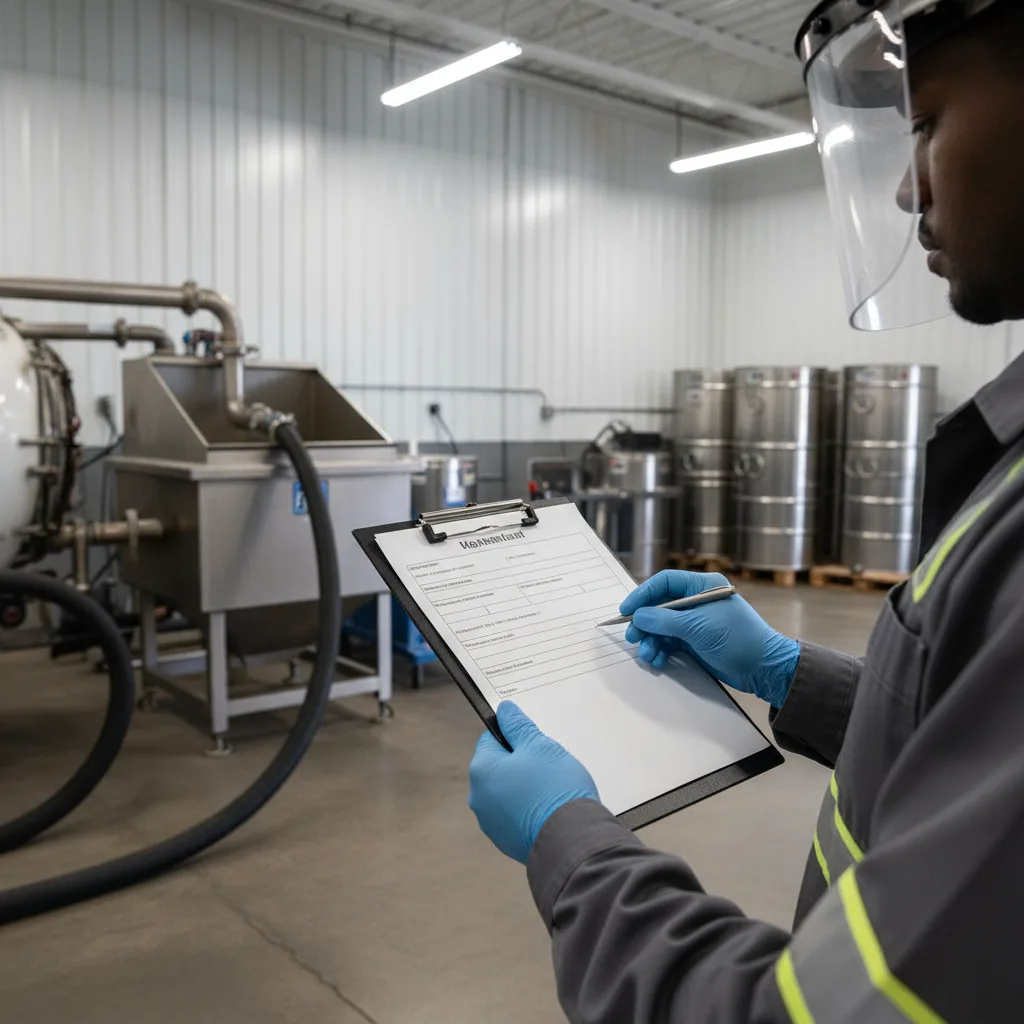
Featured image


A grease trap backup during peak service hours is one of the most stressful situations a restaurant manager can face. The moment sinks start draining slowly or wastewater begins pooling in your dish pit, every second counts. This guide shows you exactly how to manage a grease trap backup without shutting down your kitchen, protect your staff and customers, and prevent it from happening again.

Recognize the Warning Signs Before Full Backup Occurs

Most grease trap backups don't happen without warning. Your kitchen equipment will telegraph distress signals hours or even days before a complete failure. Slow-draining three-compartment sinks are usually the first indicator — if water pools longer than usual after washing dishes, your trap is likely approaching capacity. Gurgling sounds from floor drains signal air displacement as FOG (fats, oils, and grease) restricts normal flow. A foul sewage odor near your dish area means anaerobic bacteria are breaking down trapped organic matter, and you're already in the danger zone.

The most critical sign is standing water in floor sinks or mop sinks that won't drain at all. At this stage, you're minutes away from wastewater backing up into your kitchen. Kitchen managers who recognize these early warnings can often schedule emergency service before reaching a crisis point that forces closure.

Best Practice
Train your dish crew to report slow drains immediately. A 30-second delay at 6 PM is far easier to manage than a full backup at 8 PM during dinner rush.

Immediate Response: Keep Operating While You Troubleshoot

When you identify a grease trap backup during service, your first priority is containing the situation without closing your doors. Stop using the affected drains immediately — redirect dishwashing to functional sinks if you have redundant plumbing. Many commercial kitchens have multiple drain lines, and a backup in one doesn't necessarily compromise all systems.

Reduce water usage across all connected fixtures. Instruct staff to scrape plates more thoroughly before rinsing, use spray valves in short bursts rather than continuous flow, and delay non-essential cleaning tasks until after service. These measures slow the rate at which you're adding volume to an already compromised system. If you're dealing with overflow conditions, containment becomes even more critical.

Check your grease trap access points if they're accessible and safe to open. Some under-sink traps can be quickly inspected without specialized tools. If you see the trap is full to the brim with solidified grease, you know you need immediate pumping service. Never attempt to "flush" a backed-up trap with hot water or chemicals — this pushes the problem downstream and can violate your discharge permit.

78%
of restaurant grease trap backups occur during Friday and Saturday evening service when kitchen volume peaks

Emergency Service Options When You Can't Wait Until Morning

Once you've stabilized your immediate operations, contact emergency grease trap service providers. Most metropolitan areas have 24/7 pumping services that understand restaurant urgency. When calling, be specific: "We have a backup during dinner service, we need someone here within two hours, not tomorrow morning." Emergency rates apply, but they're substantially less expensive than closing and losing revenue.

While waiting for service, communicate with your front-of-house team. They don't need graphic details, but managers should know you're managing a plumbing issue and certain menu items requiring heavy dishwashing might be temporarily unavailable. Shift toward disposable serviceware if necessary — it's not ideal for sustainability, but it's better than turning away customers.

Understanding the root cause helps prevent recurrence. As detailed in our comprehensive emergency guide, backups typically stem from inadequate pumping frequency, improper waste disposal practices, or undersized traps for your kitchen's actual output. The technician who pumps your trap can often identify which factor is primary.

The difference between a managed inconvenience and a health department shutdown often comes down to how quickly you respond and how honestly you document the incident.

Temporary Workarounds Until Professional Service Arrives

If your grease trap backup isn't causing active overflow and the service company needs 90 minutes to arrive, you can implement temporary measures. Bucket-washing is labor-intensive but functional — set up a three-bucket system outside or in a non-drainage area where staff can manually wash, rinse, and sanitize essential items. Dispose of wash water properly; never dump it in storm drains or landscaping areas.

Switch to simplified menu items that generate minimal dishes. A steakhouse can focus on grilled proteins and simple sides rather than sauced dishes requiring multiple prep bowls. Pizza restaurants can emphasize takeout with disposable boxes. These pivots maintain revenue while reducing the load on your compromised plumbing system.

For situations involving completely clogged systems, you may need to halt all wastewater generation from affected areas. This is the decision point where some operations choose to close early rather than risk health code violations. Document your decision-making process and any communications with emergency services — this documentation protects you if questions arise later.

Important
Never allow wastewater to flow into customer areas or food preparation zones. This creates immediate health code violations and liability issues that far exceed the cost of closing for the evening.

Post-Backup Protocol: Documentation and Prevention

After emergency service resolves your backup, documentation becomes essential. Photograph the pumped waste, record the volume removed, and keep detailed service invoices. If a health inspector follows up, these records demonstrate you took immediate corrective action. Many jurisdictions require incident reports when backups occur — file these promptly to avoid penalties for late reporting.

Schedule a follow-up inspection within 48 hours. Emergency pumping addresses the immediate crisis, but doesn't identify structural issues. A qualified technician should inspect your entire grease management system for damaged baffles, corroded pipes, improper venting, or installation defects that contributed to the backup. These inspections typically cost $150-$300 but prevent recurring emergencies that cost thousands in lost revenue.

Revise your pumping schedule based on what caused the backup. If your trap was at 80% capacity and you're on quarterly service, you likely need monthly pumping. High-volume kitchens producing significant FOG may require bi-weekly service. The cost of preventive pumping is always lower than emergency rates plus operational disruption.

Best Practice
Implement a daily log where closing managers check drain flow and note any changes. Pattern recognition from these logs often catches developing problems before they become emergencies.

Training Staff to Prevent Future Backups

Your best defense against grease trap backups is staff education on what should never enter your drains. Conduct monthly training on proper food waste disposal — all solid food waste goes in trash or compost, never down drains. Demonstrate proper pot and pan scraping techniques that remove FOG before washing. Many kitchens install scraping stations with rubber spatulas and collection containers specifically for this purpose.

Educate staff on the cumulative effect of small violations. One cook pouring a cup of fryer oil down the drain won't cause immediate backup, but twenty such incidents per week will absolutely compromise your trap. Make grease management part of your kitchen culture, not just a manager's responsibility. Incentivize compliance — some operators include "no backup incidents" as a metric in quarterly kitchen bonuses.

Consider upgrading to automated grease recovery systems if you experience backups more than twice per year. While initial investment is substantial, these systems continuously remove FOG and can extend the time between pumpings by 300% or more. They're particularly valuable for kitchens operating in older buildings where replacing undersized traps is prohibitively expensive.

Frequently Asked Questions

Can I use chemical drain cleaners to clear a grease trap backup during service?

Absolutely not. Chemical drain cleaners are prohibited in grease trap systems in most jurisdictions because they liquefy grease temporarily, sending it downstream where it re-solidifies in municipal lines. This creates bigger problems and can result in fines from your sewer authority. The only safe solution is mechanical pumping by licensed professionals.

How long does emergency grease trap service typically take?

Emergency pumping usually takes 45-90 minutes from arrival to completion, depending on trap size and access. The technician must pump the trap, inspect for damage, properly dispose of waste, and ensure the system is flowing correctly before leaving. Plan for at least two hours from initial call to full resolution during peak demand periods.

Will a grease trap backup automatically trigger a health department inspection?

Not automatically, but it creates significant risk. If wastewater enters food prep areas or customer spaces, you're required to self-report in most jurisdictions. Even without contamination, if a customer or employee reports the incident, inspectors may follow up. Proper documentation of your response and immediate corrective action significantly reduces enforcement risk.

Should I increase my grease trap pumping frequency after a backup?

Yes, immediately. A backup indicates your current schedule is inadequate for your kitchen's actual output. At minimum, double your frequency temporarily — if you were quarterly, move to every six weeks. Monitor trap levels after several cycles to find the optimal schedule. Under-pumping is far more expensive than preventive service when you factor in emergency calls and lost revenue.

Can I partially pump a grease trap myself to get through service?

This is technically possible with small under-sink traps if you have proper safety equipment, disposal arrangements, and understand your local regulations. However, most commercial kitchens have traps requiring vacuum trucks and specialized equipment. Attempting DIY pumping on large systems is dangerous, creates disposal liability, and violates most health codes. Emergency professional service is always the safer choice.

Grease trap backups during service are preventable emergencies. With proper monitoring, staff training, and appropriate pumping schedules, you can avoid the stress and expense of crisis management. When backups do occur, rapid response and professional service minimize disruption and protect your operation's reputation. Find verified grease trap services in your area at GraesetrapLocator.com — available 24/7 for emergency and routine service.

Grease Trap Locator Editorial Team
Author: Grease Trap Locator Editorial Team

The Grease Trap Locator editorial team covers FOG compliance, grease trap maintenance, and commercial kitchen regulations across the US and Canada. Our guides are written for restaurant owners, facility managers, and food service operators who need practical, accurate information without the fluff.

Need a Licensed Grease Trap Service?

Find verified, local contractors who handle cleaning, pumping, and FOG compliance — in your area.

Find a Verified Contractor