Grease Trap Cleaning Near Me: How to Find a Verified Local Provider

23 Apr 2026 9 min read No comments Grease Trap Basics
Featured image


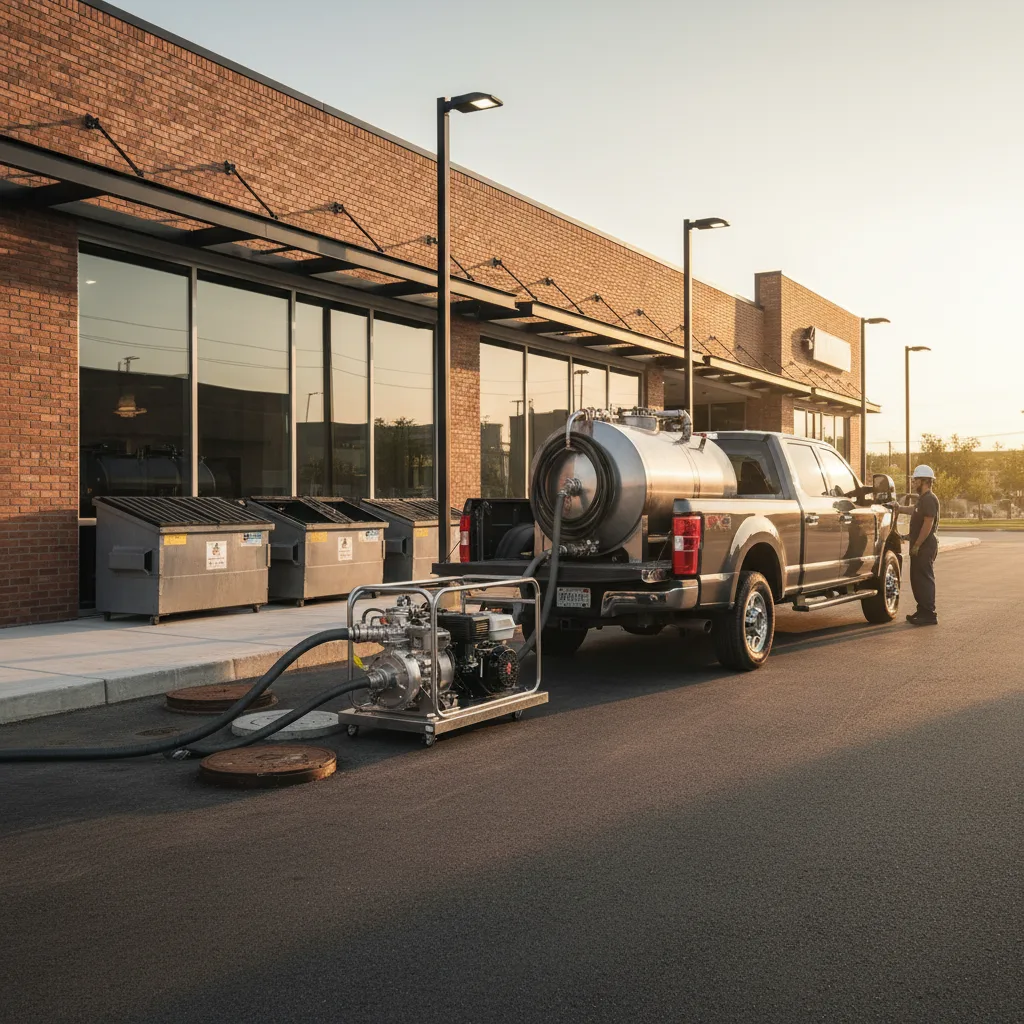
Most restaurant owners searching for grease trap cleaning discover that local providers vary wildly in reliability, pricing transparency, and regulatory compliance. Finding a verified local provider requires more than a quick Google search — it demands understanding how to evaluate licensing, service scope, and response times before a code violation or backup forces your hand. This guide shows you exactly how to identify qualified grease trap service companies in your area and avoid costly mistakes.

Why Local Grease Trap Service Matters More Than National Chains

Local grease trap companies typically respond faster to emergency calls and understand regional health department requirements better than national franchises. Response time matters when a backup threatens to shut down your kitchen during peak service hours. A local provider familiar with your jurisdiction knows exactly which permits are required, how often inspectors conduct audits, and what documentation format your health department expects.

Local companies also build relationships with regional waste processing facilities, which can reduce your disposal costs. They understand seasonal demand patterns in your area — tourist season in coastal regions, winter holidays in suburban markets — and can adjust service schedules accordingly. National chains often route service calls through distant dispatch centers, adding delays when you need immediate attention.

Geographic proximity affects service quality in practical ways. A company operating within 20 miles of your location can perform emergency pump-outs within hours, not days. They're more likely to offer flexible scheduling for overnight or early morning cleanings that don't disrupt your business operations. This local knowledge extends to understanding which kitchen configurations are common in your area and how different cuisines affect grease accumulation rates.

Best Practice
Request service quotes from at least three local providers before signing a contract. Compare not just pricing, but emergency response guarantees, cleanup protocols, and whether they provide digital service records that simplify health inspections.

How to Verify a Grease Trap Company's Credentials

Legitimate grease trap service providers hold specific licenses and insurance coverage that protect your business. Every qualified company should carry a waste hauler permit from your state or county environmental agency, commercial general liability insurance of at least $1 million, and proper vehicle registration for liquid waste transport. Ask to see current copies of these documents before signing any service agreement.

Certification requirements vary by state, but many jurisdictions require grease trap technicians to complete specialized training programs. Our grease trap company certifications guide explains which credentials matter most in different regions. Look for companies whose technicians hold NOWRA (National Onsite Wastewater Recycling Association) certification or equivalent state-level credentials.

Insurance verification goes beyond asking for a certificate — contact the insurance provider directly to confirm active coverage. Some companies present expired certificates or list coverage amounts they no longer maintain. Your business assumes significant liability if an uninsured contractor damages your plumbing system or causes environmental contamination during service. Request that your business be named as an additional insured on their policy for full protection.

The difference between a qualified provider and an unlicensed operator often becomes clear only after something goes wrong — by then, your business faces fines, repairs, and potential closure during remediation.

Check your state's environmental protection agency website for lists of licensed waste haulers. Many states maintain public databases where you can verify license numbers and check for violations or complaints. The Better Business Bureau and local restaurant associations often maintain records of service provider performance, though these sources should supplement — not replace — official license verification.

What to Look for in Service Agreements and Pricing Structures

Transparent grease trap service contracts specify exact service frequencies, what's included in each visit, and how additional charges are calculated. Standard agreements should detail whether pricing covers pump-out only or includes trap inspection, line jetting, and disposal fees. Many providers advertise low base rates but add significant charges for disposal, weekend service, or cleaning beyond basic pumping.

Typical pricing structures include per-visit rates, monthly service contracts, or volume-based billing. Per-visit pricing ranges from $150 to $500 depending on trap size and access difficulty. Monthly contracts often reduce per-service costs by 15–25% but lock you into minimum terms of 12–24 months. Volume-based billing charges by the gallon of waste removed, which makes sense for high-volume operations but can be unpredictable for smaller kitchens.

68%
of restaurants face unexpected service charges due to unclear contract terms

Pay attention to contract clauses about service frequency adjustments. Your grease accumulation rates change with menu shifts, customer volume fluctuations, and seasonal variations. Good contracts allow schedule modifications without penalty fees. Avoid agreements that automatically renew without advance notice or require certified letters to cancel service.

Request itemized invoices that break down labor, disposal fees, and any surcharges separately. This transparency helps you compare quotes accurately and identify which providers are padding estimates. Some companies include emergency service provisions in monthly contracts while others charge premium rates for after-hours calls — clarify these terms upfront to avoid disputes later.

Evaluating Service Quality Beyond Price

The cheapest grease trap service often becomes the most expensive when poor cleaning leads to backups, health violations, or environmental fines. Quality providers perform complete pump-outs that remove all FOG (fats, oils, and grease) and solids from your trap, not just surface skimming that leaves sludge accumulating at the bottom. They inspect baffles, inlet and outlet pipes, and gaskets during each service to catch problems before they escalate.

Documentation quality separates professional services from fly-by-night operators. After each cleaning, you should receive detailed service records showing the volume of waste removed, trap condition assessment, and any maintenance recommendations. These records prove compliance during health inspections and help you track whether your current service frequency matches actual grease production rates. Digital documentation systems that store records in the cloud provide the most reliable proof during audits.

Our comprehensive resource on how to choose a grease trap company covers additional quality indicators like employee training programs and equipment maintenance standards. Look for companies using modern vacuum trucks with capacity monitoring systems rather than aging equipment that might break down during service.

Important
Never hire a provider who offers to dispose of grease waste "off the books" at reduced rates. Illegal dumping carries severe penalties for both the hauler and your business, including fines up to $50,000 and potential criminal charges.

Response time guarantees matter for emergency situations. Quality providers commit to specific response windows — typically 2–4 hours for emergencies, 24–48 hours for urgent service, and scheduled appointments within one week. Ask what happens if they miss these windows. Do they waive service fees? Provide compensation for lost business? Companies confident in their reliability put these guarantees in writing.

Using Online Resources to Find and Compare Local Providers

Start your search with GreasetrapLocator.com's verified provider directory, which screens companies for licensing, insurance, and service quality before listing them. This pre-vetting saves you hours of credential verification and reduces the risk of hiring unqualified operators. Filter results by your zip code, required services, and business size to identify providers equipped to handle your specific needs.

Beyond directories, check your local health department's website for lists of approved grease trap haulers. Many jurisdictions maintain these lists to help restaurants comply with FOG management regulations. Your state's environmental agency website often includes licensed waste hauler databases with complaint histories and enforcement actions — critical information that doesn't appear in advertising materials.

Online reviews provide useful insights but require careful interpretation. Look for patterns across multiple review platforms rather than focusing on individual complaints or praise. Recent reviews matter more than outdated feedback from several years ago. Pay attention to how companies respond to negative reviews — professional, solution-focused responses indicate better customer service than defensive or dismissive replies.

Industry associations like the National Restaurant Association and state restaurant groups often recommend member service providers. These recommendations typically indicate established businesses with track records, though membership alone doesn't guarantee quality. Cross-reference association listings against license databases and insurance verification to confirm credentials.

For a deeper understanding of how grease traps function and why proper maintenance matters, review our complete guide to grease traps. Understanding trap mechanics helps you evaluate whether a service provider's approach aligns with best practices or cuts corners that compromise system performance.

Best Practice
Schedule initial consultations with your top three candidates. During the visit, evaluate their professionalism, equipment condition, and willingness to answer detailed questions about their process. Trust your instincts — if something feels off during the consultation, it probably is.

Questions to Ask Before Signing a Service Contract

Before committing to any provider, ask these essential questions: How quickly can you respond to emergency calls? What's included in your standard service versus additional charges? Do you provide digital service records? Can I adjust service frequency without penalties? What happens if you damage our plumbing during service? Are your disposal facilities EPA-certified?

Request references from restaurants similar to yours in size and cuisine type. A provider experienced with high-volume fast-food kitchens might not understand the specific challenges of fine dining establishments with complex sauce-making operations. Contact these references directly and ask about service reliability, billing accuracy, and how the company handles problems when they arise.

Clarify exactly what "emergency service" means in their contract. Some companies define emergencies narrowly — only complete trap failures qualify — while others include overflow threats, unusual odors, or pre-inspection cleanings. Understand their emergency service rates and whether they guarantee availability 24/7 or only during business hours.

Frequently Asked Questions

How often should I schedule grease trap cleaning?

Most commercial kitchens require grease trap cleaning every 30–90 days depending on trap size and cooking volume. High-volume restaurants typically need monthly service, while lower-volume establishments can extend to quarterly schedules. Your local health code establishes minimum frequencies, but actual needs may require more frequent service if your trap fills faster than expected.

What's the average cost for grease trap cleaning service?

Grease trap cleaning costs range from $150 to $500 per service for small to medium traps, with larger systems costing $500 to $1,500 per cleaning. Pricing depends on trap capacity (measured in gallons), access difficulty, and regional disposal fees. Monthly contracts typically reduce per-visit costs by 15–25% compared to on-demand service pricing.

Can I clean my grease trap myself to save money?

While manual grease trap cleaning is technically possible for small under-sink units, most commercial traps require professional service with proper equipment and licensed waste disposal. DIY cleaning violates health codes in many jurisdictions and creates liability if improper disposal contaminates water systems. Professional services also provide required documentation for regulatory compliance.

How do I know if a grease trap company is properly licensed?

Verify licensing through your state environmental protection agency's website, which maintains databases of permitted waste haulers. Request the company's waste hauler permit number and check it against official records. Also confirm they carry commercial general liability insurance of at least $1 million and workers' compensation coverage for all employees.

What happens if my regular service company misses a scheduled cleaning?

Your service contract should specify penalties or remedies for missed appointments, typically including expedited rescheduling within 24–48 hours and potential fee waivers. If missed cleanings cause health code violations or backups, document everything and consult your contract's liability provisions. Repeated missed appointments justify contract termination regardless of remaining term.

Finding the right grease trap cleaning provider protects your business from regulatory violations, emergency closures, and expensive repairs. Take time to verify credentials, compare service agreements carefully, and choose a company that demonstrates reliability through documented performance and transparent pricing. The investment in thorough vetting pays returns in reduced downtime, lower long-term costs, and peace of mind that your FOG management system meets all regulatory requirements.

Find verified grease trap services in your area through GreasetrapLocator.com's comprehensive provider directory.

Grease Trap Locator Editorial Team
Author: Grease Trap Locator Editorial Team

The Grease Trap Locator editorial team covers FOG compliance, grease trap maintenance, and commercial kitchen regulations across the US and Canada. Our guides are written for restaurant owners, facility managers, and food service operators who need practical, accurate information without the fluff.

Need a Licensed Grease Trap Service?

Find verified, local contractors who handle cleaning, pumping, and FOG compliance — in your area.

Find a Verified Contractor
In This Article
Find a Grease Trap Contractor

Search our directory of verified licensed FOG contractors serving your area.