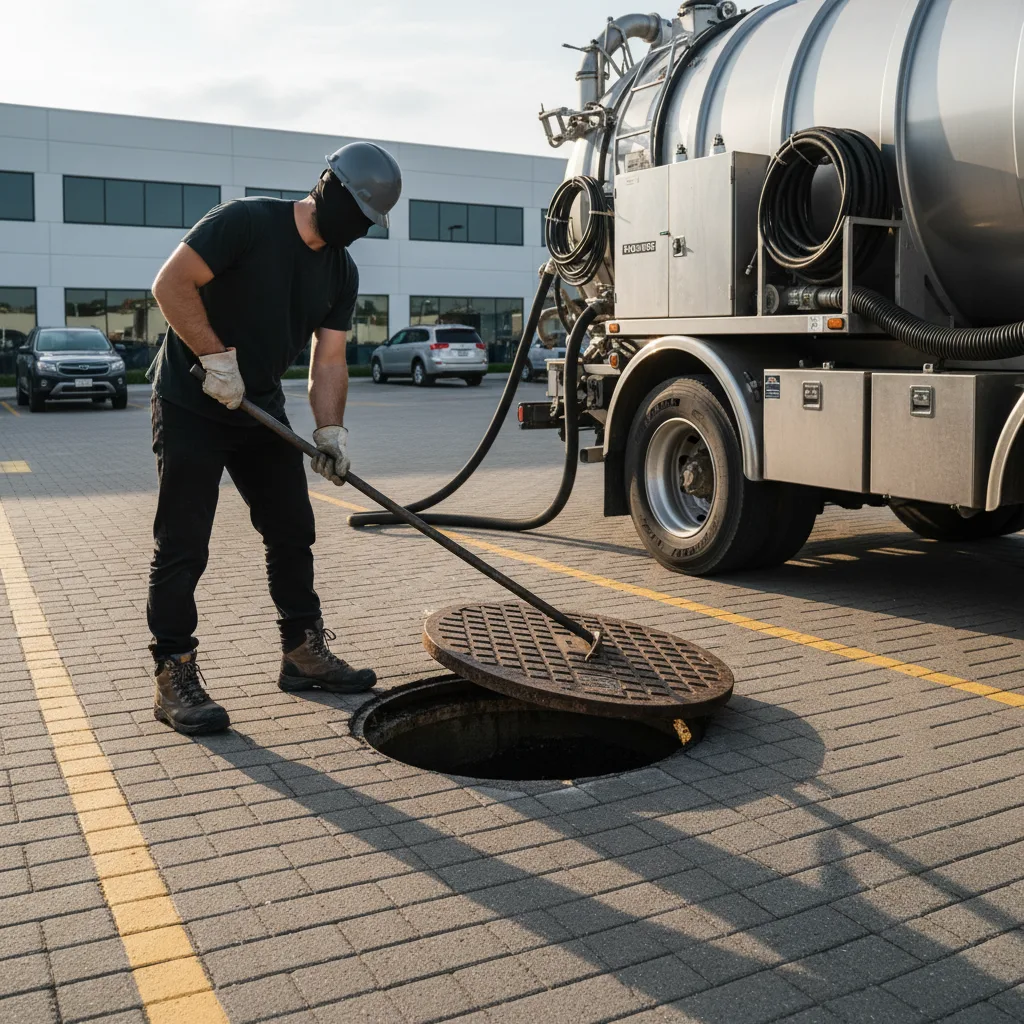
Finding a qualified grease trap pumping service in your local area requires more than typing "grease trap pumping near me" into a search engine. You need a licensed provider who understands local health codes, arrives on schedule, and properly disposes of waste according to EPA regulations. This guide shows you exactly how to identify, vet, and hire the right local grease trap pumping service for your commercial kitchen.
What Makes Local Grease Trap Pumping Services Different from National Chains
Local grease trap pumping companies typically offer faster response times and deeper knowledge of regional compliance requirements than national franchises. A local provider serving a 30-mile radius can often arrive within 24 hours for routine pumping and within 2-4 hours for emergencies. They maintain relationships with local health inspectors and understand jurisdiction-specific reporting requirements that vary significantly between counties and municipalities.
National chains bring standardized procedures and broader insurance coverage, but local operators often provide more flexible scheduling and personalized service. Many restaurant owners value having a direct phone line to the technician who knows their system's quirks rather than navigating a call center. Local services also tend to charge more competitive rates because they operate with lower overhead and don't pay franchise fees.
Interview at least three local providers before signing a service contract. Ask each one how they handle manifest tracking, whether they own their disposal facility, and what happens if they miss a scheduled pumping. The answers reveal operational maturity.
Whether you choose local or national, the provider must pump your trap as often as needed to prevent it from exceeding 25% capacity—the threshold where most jurisdictions issue violations. Understanding the difference between grease trap pumping vs cleaning helps you evaluate whether a provider offers comprehensive service or just basic waste removal.
How to Verify Licensing and Insurance Before Hiring
Every legitimate grease trap pumping service must hold a commercial waste hauler license issued by your state's environmental agency. Request the license number and verify it directly with the issuing agency—don't accept a photocopy at face value. The license confirms the company is authorized to transport and dispose of food service waste, which is classified differently from residential septic waste in most states.
Insurance verification requires three documents: general liability coverage of at least $1 million, commercial auto insurance for their pump trucks, and pollution liability insurance. Pollution coverage protects you if the hauler spills grease on your property or illegally dumps waste, creating liability that could fall back on your business. Ask for current certificates of insurance naming your business as additionally insured.
Check that the company holds proper disposal permits for the receiving facility where they take your grease. Some unscrupulous operators charge low rates then illegally dump waste to cut costs, which creates criminal liability for your restaurant if discovered. A reputable provider will show you manifests from previous jobs proving proper disposal at permitted facilities.
What to Look for in Online Reviews and Local Reputation
Online reviews for grease trap services reveal patterns that matter more than star ratings. Look for specific mentions of punctuality, cleanup after pumping, and whether technicians identified problems before they became emergencies. Be cautious of services with complaints about rushed jobs, incomplete pumping, or damage to access covers—these indicate technicians working on volume quotas rather than quality standards.
Check reviews across multiple platforms including Google, Yelp, and the Better Business Bureau. A service with 50 Google reviews but zero BBB profile may be avoiding accountability. Pay attention to how companies respond to negative reviews: defensive or dismissive responses signal poor customer service culture, while detailed explanations of what went wrong and how it was fixed show operational maturity.
The best indicator of reliable service is consistent mention of the same technicians' names in reviews over multiple years—it means low turnover and experienced crews.
Ask for references from restaurants similar to yours in size and cuisine type. A service that primarily handles small cafes may lack equipment for large hotel kitchens, while a provider specializing in high-volume quick-service restaurants understands the urgency of how to find 24/7 emergency grease trap service when backups threaten to shut down operations during peak hours.
Comparing Service Contracts: What's Included vs. What Costs Extra
Standard grease trap pumping contracts include waste removal, basic inspection of baffles and covers, and manifest documentation for regulatory compliance. Read the fine print to identify extra charges for after-hours service, difficult access requiring additional equipment, disposal of unusually heavy or solidified grease, and missed appointment fees if your staff doesn't provide access.
The best contracts specify pumping frequency based on your trap capacity and usage volume rather than arbitrary monthly or quarterly schedules. A 1,000-gallon interceptor serving a high-volume fryer operation may need pumping every three weeks, while a 50-gallon trap under a three-compartment sink in a small cafe might only require monthly service. Providers who insist on identical schedules for every client either don't understand the variables or prioritize route efficiency over your needs.
Avoid contracts with automatic renewal clauses longer than 12 months or early termination penalties exceeding one month's service fee. These terms trap you with underperforming providers and prevent switching to better services.
Confirm whether the contract includes detailed reporting after each service. You need documentation showing gallons pumped, trap condition notes, and disposal facility information—not just a signature on a checklist. This paperwork proves compliance during health inspections and helps you track whether what happens during professional grease trap cleaning aligns with what you're paying for.
Using Proximity and Response Time as Selection Criteria
A provider's distance from your restaurant directly impacts emergency response capability and fuel surcharges. Services located within 15 miles typically don't charge travel fees for routine pumping and can respond to emergencies within two hours. Providers 30-50 miles away often add $75-150 trip charges and may require 4-6 hour response windows even for urgent calls.
Test response time during the vetting process by calling their emergency line at 2 PM on a weekday. If you reach a live person who can check technician availability and provide a realistic arrival window within five minutes, the company has proper dispatch systems. Services that require you to leave a voicemail or promise a callback "within a few hours" will fail you during actual emergencies when kitchen operations are at stake.
Consider whether the provider services multiple locations along their route near your restaurant. This creates redundancy if their primary technician is unavailable—another crew heading to a nearby job can easily add your location. It also suggests the provider has enough local business to justify frequent trips to your area, reducing the likelihood they'll drop service to focus on denser markets.
Geographic proximity matters for regulatory compliance too. When searching for grease trap cleaning near me, you're not just finding convenience—you're finding providers who already understand your jurisdiction's inspection schedules, manifest filing requirements, and which local disposal facilities accept food service waste without complications.
Red Flags That Indicate You Should Keep Looking
Walk away from any provider who can't produce current licensing and insurance on request, offers pricing significantly below competitors without clear explanation, or pressures you to sign contracts during the initial consultation. These behaviors indicate either financial instability or business practices that prioritize volume over compliance and service quality.
Other warning signs include trucks without company logos or DOT numbers, technicians who can't explain their disposal process, and services that pump your trap but never actually measure depth or capacity usage. Legitimate operators take measurements before and after pumping to document compliance and identify potential problems like excessive solids accumulation or structural damage requiring repair.
Request a trial service before committing to a long-term contract. A one-time pumping lets you evaluate punctuality, thoroughness, technician professionalism, and post-service documentation quality without contractual obligation.
Be skeptical of providers who claim they can pump your trap less frequently than your current service recommends. While some providers do over-service to inflate revenue, suggesting you can go twice as long between pumpings often leads to capacity violations and emergency situations that cost far more than regular maintenance.
Frequently Asked Questions
How much does local grease trap pumping typically cost?
Local grease trap pumping costs $150-400 for small under-sink traps (20-50 gallons) and $300-800 for larger in-ground interceptors (500-2,000 gallons). Price varies based on trap capacity, access difficulty, pumping frequency, and regional disposal fees. Most services offer 10-15% discounts for monthly or quarterly service contracts versus one-time emergency calls.
How do I find licensed grease trap pumpers in my area?
Contact your local health department for a list of permitted waste haulers serving commercial kitchens in your jurisdiction. Many municipalities maintain approved vendor lists on their environmental health websites. You can also check your state environmental agency's license database and verify commercial waste hauler credentials directly through their online portals.
What's the difference between grease trap pumping and cleaning?
Grease trap pumping removes liquid waste and floating grease from the trap using vacuum trucks. Cleaning includes pumping plus scraping solidified grease from walls and baffles, pressure washing interior surfaces, and inspecting components for damage. Complete cleaning costs 20-40% more than pumping alone but extends trap life and prevents odor problems.
Can I use a septic pumping company for my grease trap?
No, septic companies lack proper licensing and disposal permits for food service grease waste, which requires different handling than residential sewage. Using unlicensed services violates health codes and creates liability if waste is illegally disposed. Only hire providers specifically licensed for commercial kitchen grease trap service with manifests proving disposal at approved facilities.
How quickly can local services respond to grease trap emergencies?
Most local grease trap services respond to emergencies within 2-4 hours during business hours and 4-8 hours after-hours. Services located within 15 miles of your restaurant typically arrive faster than regional providers. Emergency pumping costs 50-100% more than scheduled service, so maintain regular pumping schedules to avoid urgent situations.
Find verified grease trap services in your area at https://www.greasetraplocator.com.
Find verified, local contractors who handle cleaning, pumping, and FOG compliance — in your area.
