Grease Trap Service in Seattle, WA: Costs and Providers

29 Mar 2026 9 min read No comments Pricing & Costs
Featured image


Grease trap service in Seattle typically costs between $150 and $600 per cleaning, depending on trap size, frequency, and accessibility. Most restaurants pay $200–$350 for quarterly maintenance, while larger commercial kitchens with 1,000+ gallon traps can expect $450–$600 per service. Seattle's strict FOG (fats, oils, and grease) regulations require routine pumping and documentation, making reliable service partnerships essential for compliance and avoiding fines that start at $500 per violation.

What Determines Grease Trap Service Costs in Seattle?

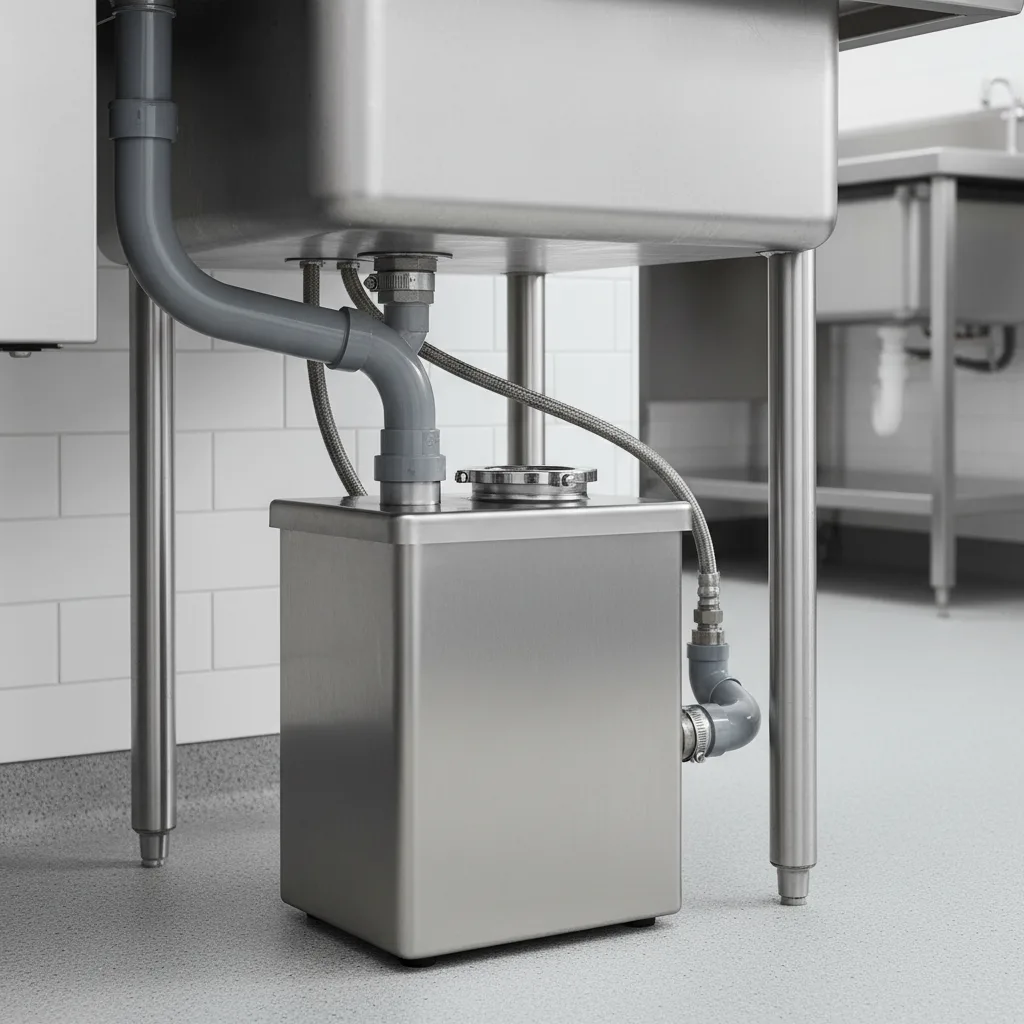
Seattle grease trap service pricing reflects four primary factors: trap capacity, service frequency, location accessibility, and waste volume. A 50-gallon indoor trap under a three-compartment sink costs significantly less to service than a 1,500-gallon outdoor interceptor requiring vacuum truck access. Service providers charge by the gallon for pumping, with rates ranging from $0.15 to $0.40 per gallon depending on contract terms.

Frequency discounts substantially reduce per-visit costs. Monthly service contracts typically offer 20–30% savings compared to on-call cleanings. Restaurants operating in high-traffic areas like Pike Place Market or Capitol Hill often negotiate monthly or bi-weekly schedules to prevent backup emergencies during peak tourist seasons.

$500–$2,500
Average annual grease trap service cost for Seattle restaurants (quarterly cleaning schedule)

Accessibility impacts pricing more than many owners anticipate. Traps located in basements, behind equipment, or requiring confined space entry add $50–$150 per service due to labor intensity and safety equipment requirements. Providers also factor in Seattle's traffic patterns — early morning service calls avoid downtown congestion but may carry premium rates for after-hours work.

Waste disposal fees represent a hidden cost component. King County charges tipping fees at authorized receiving facilities, and reputable providers include these costs in their service rates. Some operators offer grease recycling programs that convert waste into biodiesel, potentially reducing disposal costs by 15–25% while supporting sustainability initiatives.

Seattle FOG Program Requirements and Compliance Costs

Seattle Public Utilities enforces one of the strictest FOG management programs in the Pacific Northwest. Food service establishments (FSEs) must install appropriately sized grease traps, maintain regular cleaning schedules, and submit detailed service records documenting each pump-out. Non-compliance triggers escalating fines starting at $500 for first violations and reaching $2,500 for repeat offenses.

The city requires most restaurants to clean grease traps every 90 days at minimum, though high-volume kitchens may need monthly service to prevent the trap from exceeding 25% capacity — the regulatory threshold. Inspectors conduct unannounced visits and can issue immediate citations for overflowing traps, inadequate record-keeping, or improper disposal practices. Comprehensive information on regional requirements is available in our FOG compliance guide.

Important
Seattle requires FSEs to use only licensed haulers for grease trap service. Using unlicensed providers results in automatic violations and disqualifies service records during inspections. Verify your provider holds current King County waste hauler permits before signing contracts.

Documentation requirements extend beyond basic service receipts. Seattle mandates manifest forms showing waste volume, disposal location, and hauler certification numbers. Most professional providers include digital record-keeping systems that automatically generate compliance reports, saving restaurant managers hours of administrative work during health department audits.

Restaurants opening new locations face additional upfront costs. Permit fees for grease trap installation range from $300 to $800 depending on system size and complexity. The city also requires FSEs to submit operation and maintenance plans detailing cleaning schedules, staff training protocols, and emergency response procedures for spills or backups.

Comparing Seattle Grease Trap Service Providers

Seattle supports approximately 25 licensed grease trap service companies ranging from national waste management firms to local family-owned operations. National providers like Republic Services and Baker Commodities offer extensive service networks and 24/7 emergency response but typically charge premium rates. Local operators often provide more flexible scheduling and personalized service at 10–20% lower costs.

Service quality varies significantly across providers. Top-tier companies use GPS-tracked trucks, provide real-time service notifications, and employ certified technicians trained in confined space safety and environmental regulations. Budget providers may subcontract work to unlicensed haulers or skip proper disposal procedures to cut costs — practices that expose restaurant owners to compliance violations.

The cheapest grease trap service often becomes the most expensive when compliance violations and emergency backups factor into the total cost of ownership.

Contract terms deserve careful review before signing. Monthly minimum commitments typically range from 6 to 36 months, with early termination fees of $200–$500. Reputable providers include specific service level agreements (SLAs) guaranteeing response times for emergency calls — critical for restaurants that cannot afford prolonged kitchen shutdowns during dinner service.

Emergency service availability separates professional operators from marginal providers. Grease trap backups occur without warning, often during peak business hours. Companies offering genuine 24/7 emergency response typically charge $350–$600 for after-hours calls, but this cost pales compared to lost revenue from a closed kitchen or the health department shutting down operations.

Best Practice
Request service records from potential providers showing their disposal facility receipts and hauler permits. Legitimate operators readily provide this documentation, while unlicensed haulers deflect or provide vague responses about disposal locations.

Geographic coverage affects service reliability in Seattle's diverse neighborhoods. Providers based south of the city center often charge travel fees for service calls to Ballard, Fremont, or North Seattle locations. Confirming your restaurant falls within a provider's standard service area prevents surprise surcharges that can add $40–$75 per visit.

Typical Pricing Structure for Seattle Restaurants

Seattle grease trap service pricing follows predictable patterns based on establishment type and operational intensity. Quick-service restaurants with minimal fryer use typically maintain 50–100 gallon traps requiring quarterly service at $150–$250 per cleaning. Full-service restaurants with extensive frying operations often install 500–750 gallon traps needing monthly service at $300–$450 per visit.

Service Scenario Typical Cost Range
Small indoor trap (under 100 gallons), quarterly service $150–$250 per service
Medium trap (200–500 gallons), monthly service $250–$400 per service
Large outdoor interceptor (1,000+ gallons), monthly service $450–$600 per service
Emergency after-hours service call $350–$600 per service
Trap inspection and minor repairs $100–$200 per visit

Hotels, hospitals, and institutional kitchens face higher costs due to system complexity. These facilities often operate multiple interconnected traps requiring coordinated service and specialized equipment. Annual service contracts for large institutional kitchens typically range from $8,000 to $15,000 depending on capacity and frequency requirements.

Volume discounts incentivize longer contract commitments. Providers typically offer 10% discounts for 12-month contracts, 15% for 24-month agreements, and up to 20% for three-year commitments. However, restaurant owners should balance savings against operational flexibility — a changing menu concept or kitchen expansion may require service adjustments that locked-in contracts complicate.

Additional services beyond basic pumping add value for comprehensive maintenance programs. Trap inspection services ($100–$200) identify worn baffles, damaged gaskets, and structural issues before they cause backups. High-pressure water jetting ($200–$400) removes hardened grease deposits from inlet and outlet pipes, preventing slow drainage that signals impending problems. For broader context on pricing variations across different markets, explore our guide to grease trap cleaning cost by city.

How to Reduce Long-Term Grease Trap Service Costs

Preventive maintenance significantly reduces grease trap service frequency and emergency call expenses. Implementing proper kitchen practices — scraping plates before washing, using sink strainers, and disposing of cooking oil through rendering programs rather than drains — can extend service intervals by 25–40%. Staff training on FOG best practices costs nothing but delivers measurable savings through reduced service frequency.

Biological additives and enzyme treatments marketed as grease trap solutions require careful evaluation. Seattle Public Utilities explicitly prohibits chemical treatments that claim to eliminate the need for regular pumping. While some enzyme products help break down organic matter between services, they never replace mechanical pumping and may void warranties if they damage trap components.

Best Practice
Schedule grease trap service during slow business periods to minimize operational disruption. Most providers offer reduced rates for mid-week morning appointments when demand is lower and technicians can work efficiently without time pressure.

Right-sizing grease traps during initial installation or kitchen renovations prevents overpaying for unnecessary capacity while avoiding undersized traps that require excessive service frequency. Seattle requires trap capacity calculations based on fixture units, wastewater flow rates, and food preparation methods. Consulting with licensed plumbers familiar with local FOG requirements ensures proper sizing from the start.

Multi-location operators achieve substantial savings through consolidated service contracts. Providers offer significant discounts — often 20–30% per location — when servicing multiple sites under single agreements. Centralized billing and coordinated scheduling reduce administrative overhead while ensuring consistent service quality across all locations.

Investing in grease recovery devices or automatic trap cleaning systems represents a major capital expense ($5,000–$25,000) but can reduce service costs by 30–50% over the equipment's 10–15 year lifespan. High-volume restaurants processing significant amounts of fried food see the fastest payback periods, typically 3–5 years depending on service frequency and labor costs.

Finding Reliable Grease Trap Service in Seattle

Vetting providers before signing service contracts prevents costly mistakes and compliance violations. Request proof of insurance including general liability coverage ($1 million minimum) and environmental pollution liability. Verify the company holds current King County solid waste handling permits and appears on Seattle Public Utilities' list of approved haulers — unauthorized providers cannot legally service your trap regardless of pricing.

Customer references provide insight into service reliability that advertisements never reveal. Ask potential providers for contacts at similar restaurant types operating in your neighborhood. Inquire specifically about emergency response times, billing accuracy, and whether technicians consistently provide detailed service reports documenting waste volume and disposal locations.

Service agreements should explicitly define scope, frequency, pricing, and emergency response protocols. Ambiguous contracts create disputes when unexpected charges appear or providers claim certain services fall outside standard agreements. Quality providers use detailed contracts specifying exactly what each service includes, from pumping and disposal to trap inspection and basic maintenance.

Local provider directories simplify the vetting process by aggregating verified operators serving specific regions. Browse comprehensive listings of grease trap services in Washington to compare licensed providers, read verified reviews, and request quotes from multiple companies before committing to long-term contracts.

Frequently Asked Questions

How much does grease trap cleaning cost in Seattle?

Grease trap cleaning in Seattle costs $150–$600 per service depending on trap size and frequency. Small traps under 100 gallons average $150–$250 quarterly, while large commercial interceptors over 1,000 gallons cost $450–$600 monthly. Annual costs for typical restaurants range from $600 to $4,800 based on service schedules.

How often do restaurants need grease trap service in Seattle?

Seattle requires most restaurants to clean grease traps every 90 days at minimum, though many high-volume kitchens need monthly service. The city mandates cleaning before traps reach 25% capacity to maintain FOG compliance. Actual frequency depends on kitchen volume, menu type, and trap size relative to wastewater flow.

What happens if I skip grease trap cleaning in Seattle?

Skipping scheduled grease trap cleaning violates Seattle FOG regulations and triggers fines starting at $500 for first offenses and escalating to $2,500 for repeat violations. Overflowing traps cause plumbing backups, kitchen closures, and potential health department citations. Emergency cleaning services cost 2–3 times more than scheduled maintenance.

Do I need a licensed provider for grease trap service?

Yes, Seattle requires all food service establishments to use licensed waste haulers holding valid King County permits for grease trap service. Using unlicensed providers results in automatic violations regardless of whether cleaning actually occurred. Service records from unlicensed haulers are invalid for compliance documentation during health inspections.

Can I reduce grease trap service costs through DIY cleaning?

Seattle prohibits restaurant staff from pumping their own grease traps due to waste disposal regulations and environmental protection requirements. Only licensed haulers can legally transport and dispose of grease trap waste at authorized facilities. DIY attempts result in FOG violations, environmental fines, and disqualified compliance records during inspections.

Find verified grease trap services in your area to compare licensed providers, request quotes, and ensure compliance with Seattle's FOG management requirements.

Grease Trap Locator Editorial Team
Author: Grease Trap Locator Editorial Team

The Grease Trap Locator editorial team covers FOG compliance, grease trap maintenance, and commercial kitchen regulations across the US and Canada. Our guides are written for restaurant owners, facility managers, and food service operators who need practical, accurate information without the fluff.

Need a Licensed Grease Trap Service?

Find verified, local contractors who handle cleaning, pumping, and FOG compliance — in your area.

Find a Verified Contractor