-
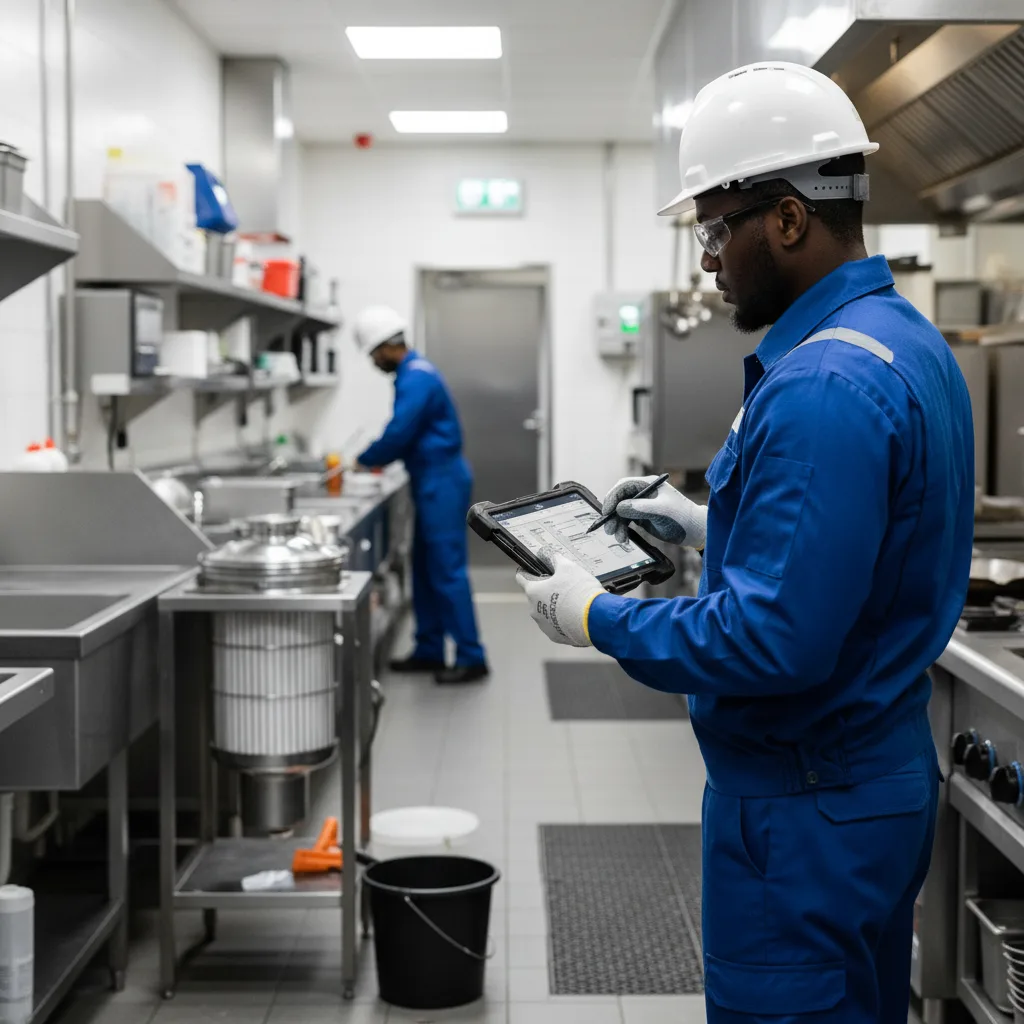
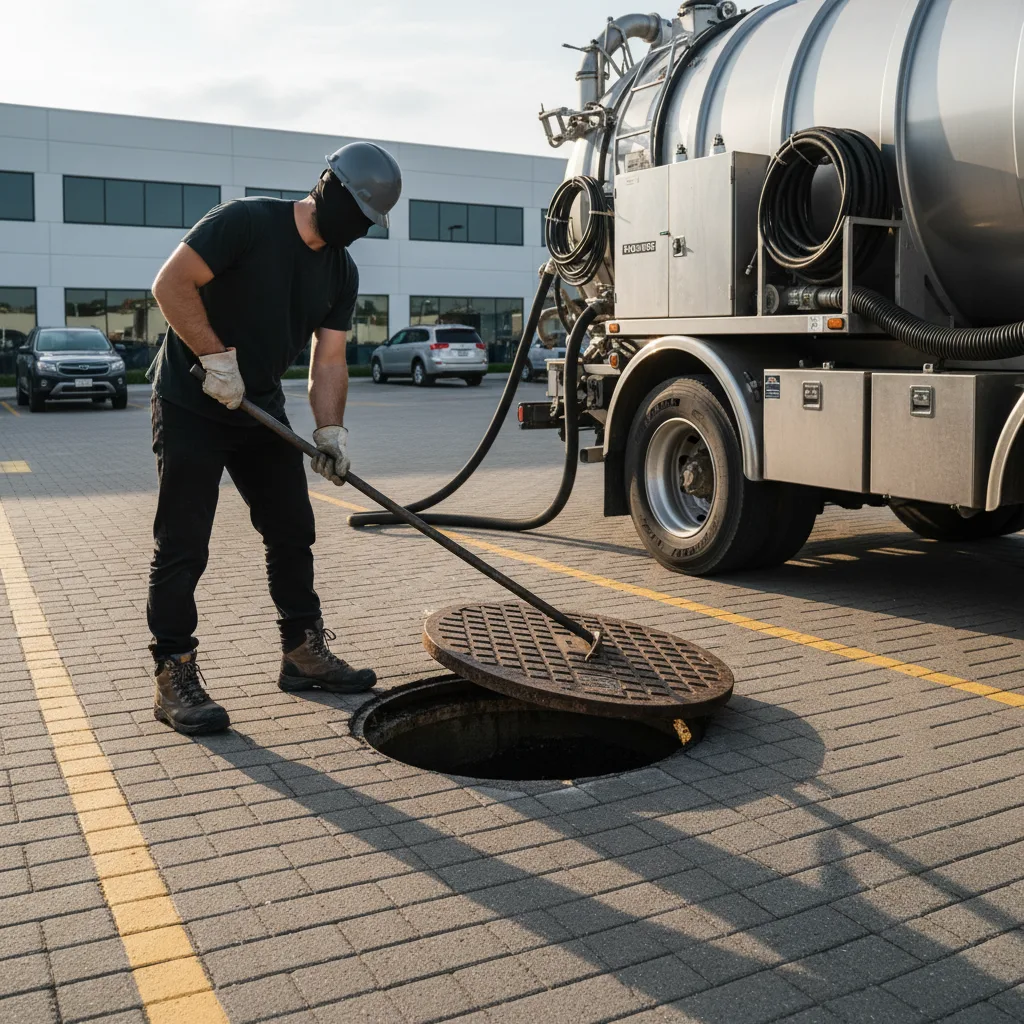
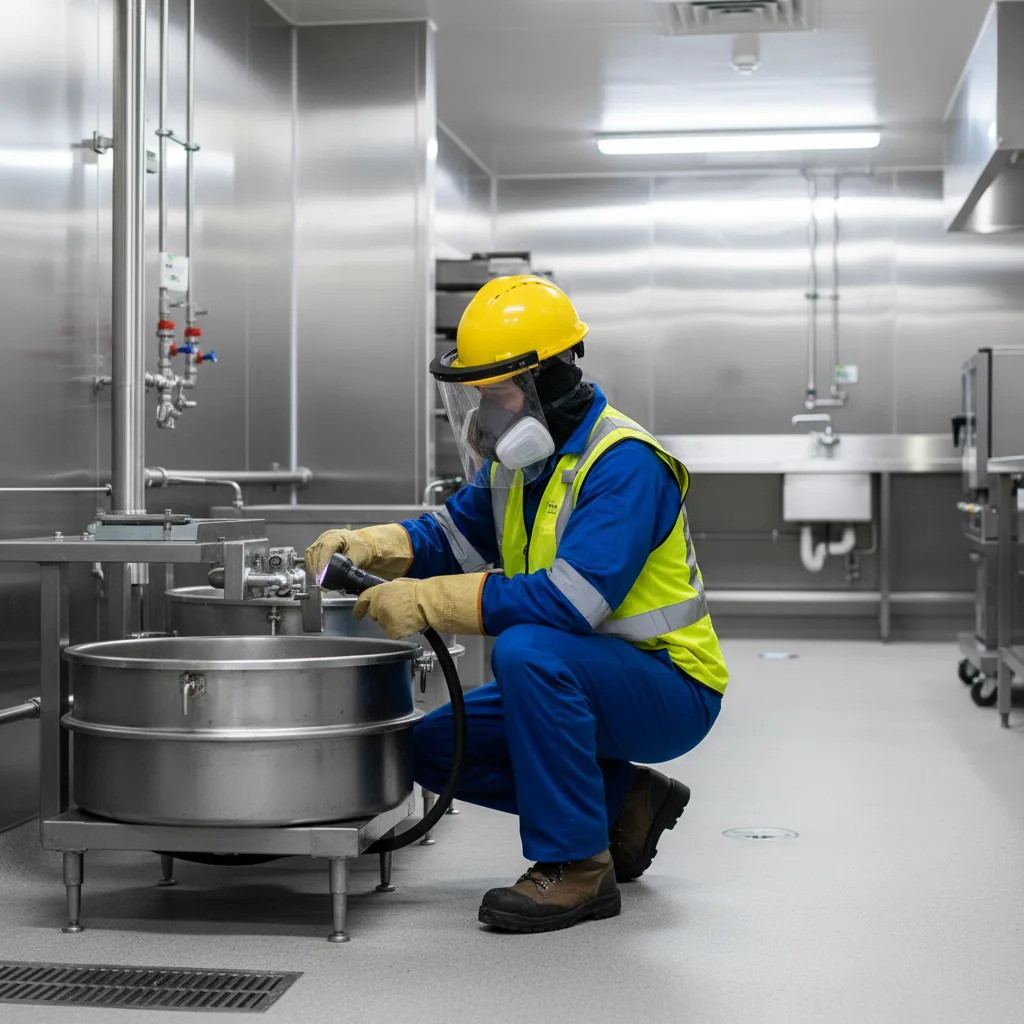
Restaurant Sewer Line Cleaning: Diagnose, Clean, or Repair?
A restaurant sewer-line problem needs diagnosis before a cleaning method, price, or maintenance interval is chosen. This guide focuses on responsibility, assessment, written scope, and the point where repair may…
by Grease Trap Locator Editorial TeamMay 7, 2026 No comments -
Kitchen Exhaust Cleaning Requirements: Check the Local Rules
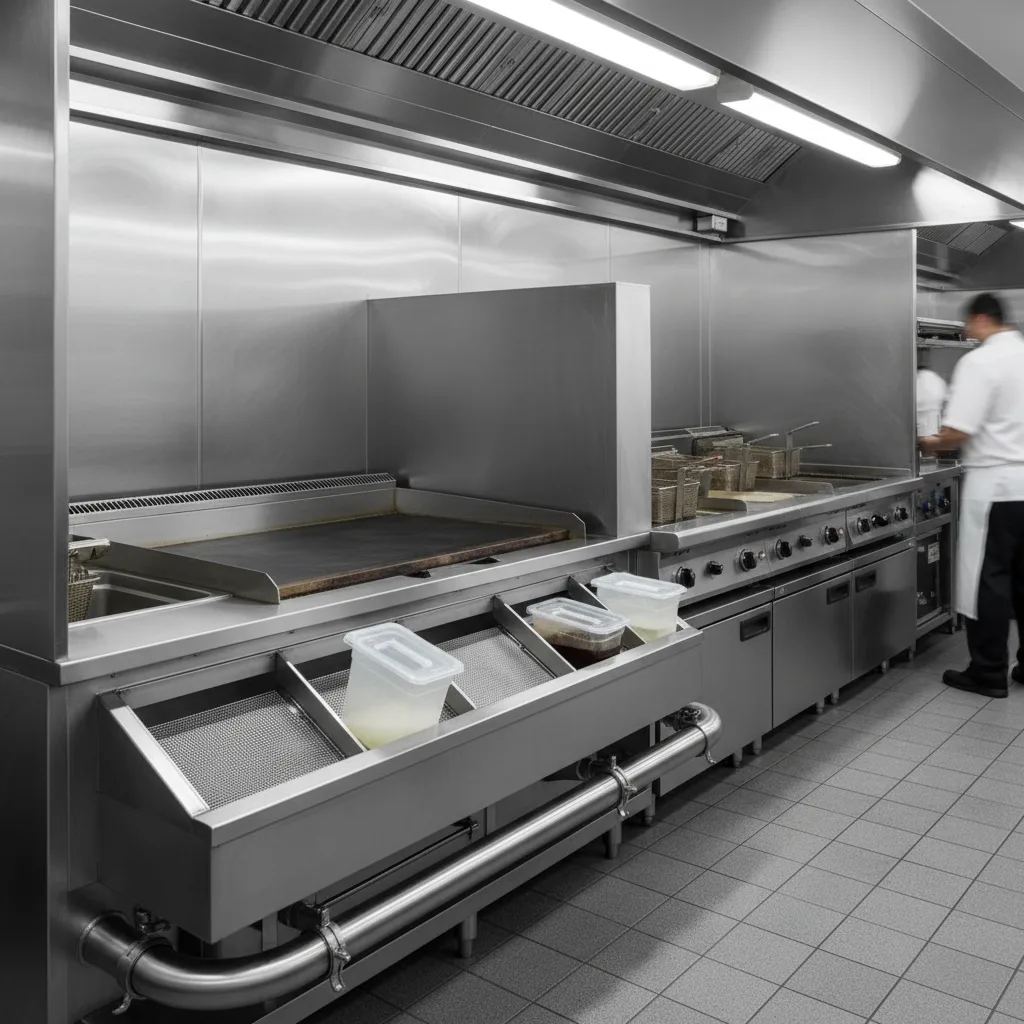
Kitchen exhaust inspection and cleaning requirements come from the code and edition adopted for the location, the authority having jurisdiction, and the actual system condition. NFPA 96 is an important…
by Grease Trap Locator Editorial TeamMay 7, 2026 No comments -
Kitchen Hood Cleaning: A Provider Scope and Hiring Checklist
Compare kitchen hood cleaning providers by the actual system, local qualification rules, written scope, access, records, wastewater handling, and exclusions. A national price range or certification label cannot establish that…
by Grease Trap Locator Editorial TeamMay 6, 2026 No comments -
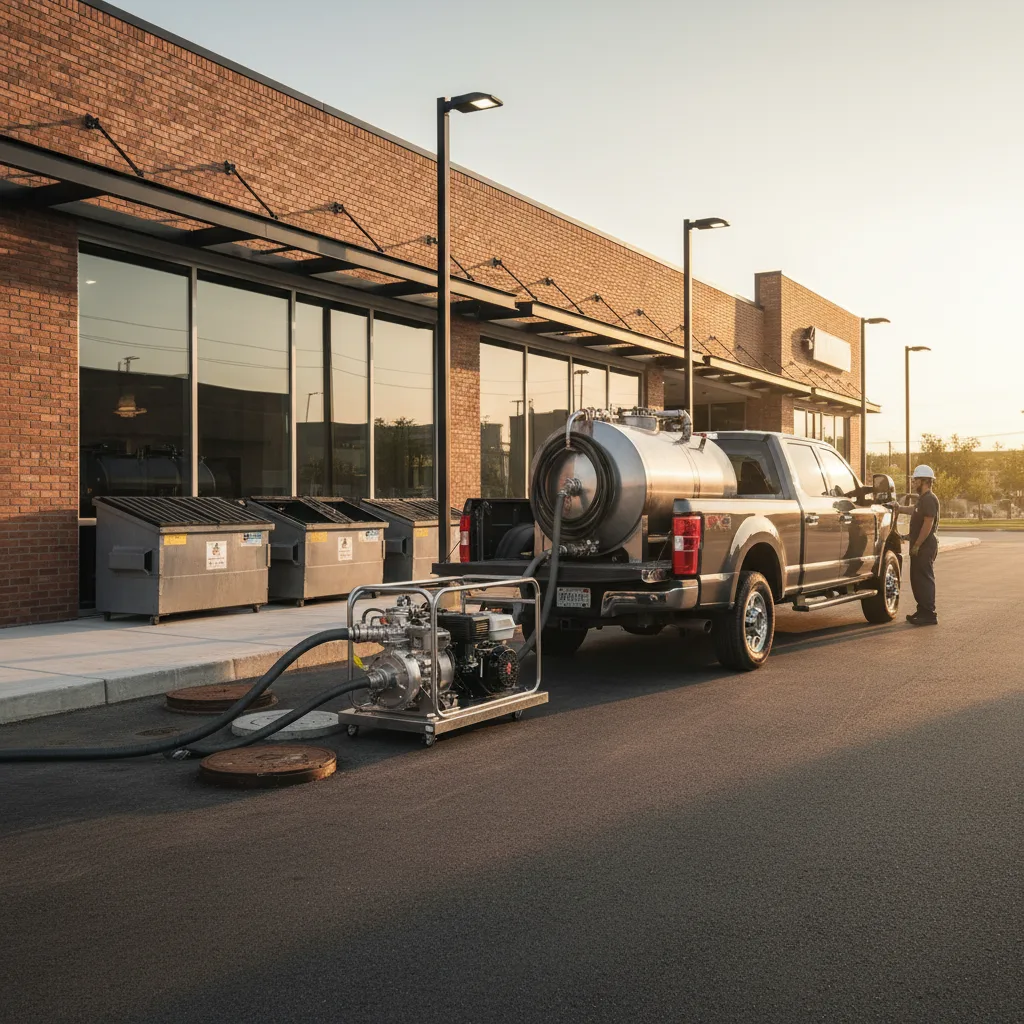
Grease Trap Pumping Near Me: What to Confirm Before Service
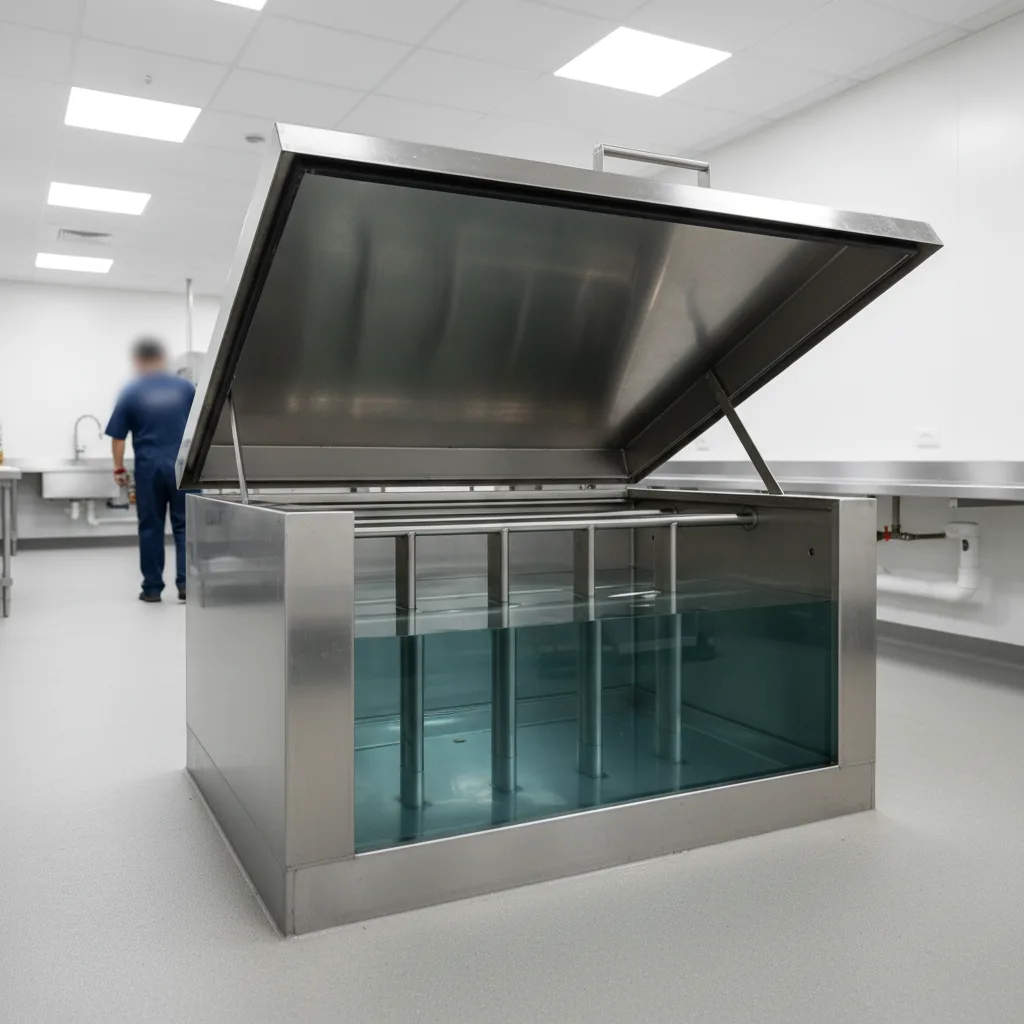
Grease trap pumping is not governed by one nationwide provider licence, price, arrival time, or service interval. Transport and receiving requirements can be local, and the required scope depends on…
by Grease Trap Locator Editorial TeamApr 25, 2026 No comments -
Restaurant Grease Interceptor Requirements: Start With Local Rules
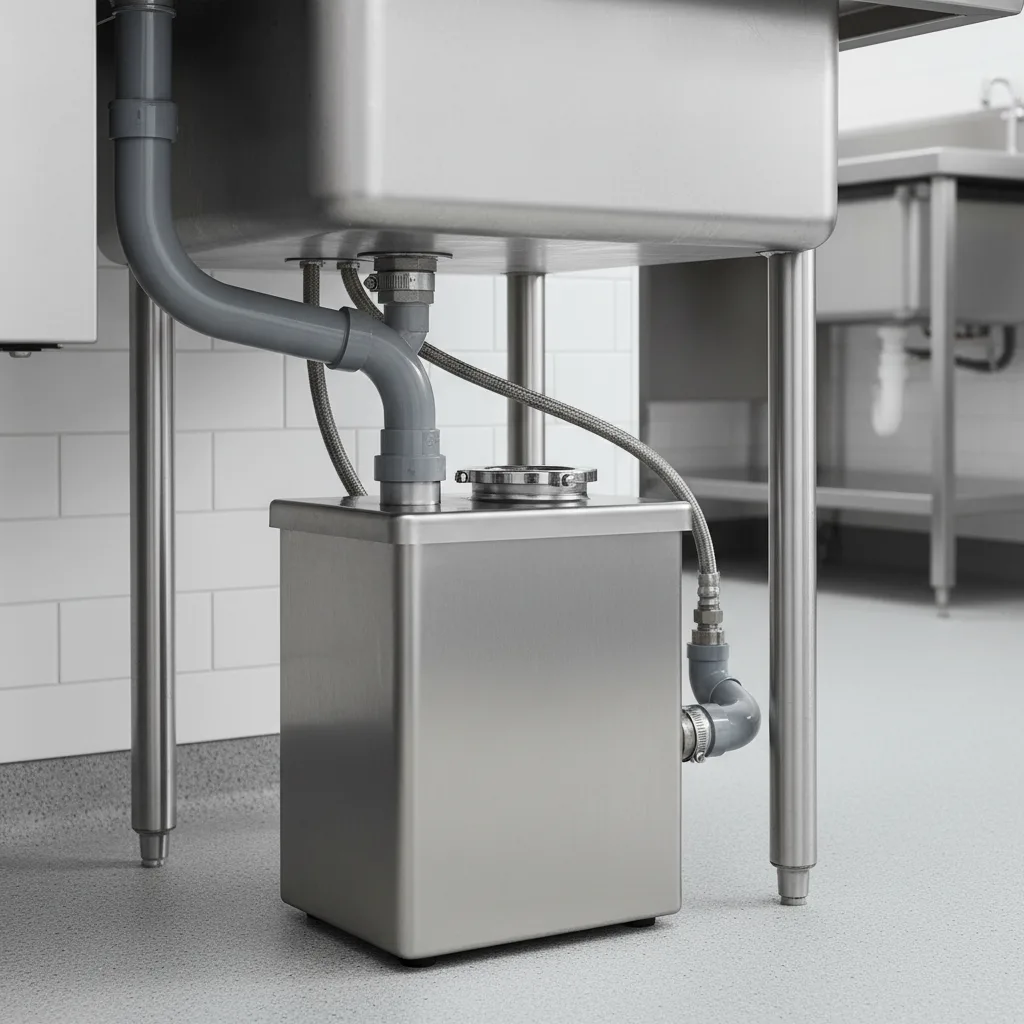
Restaurant grease-interceptor requirements are set for a particular location and project. This page is a starting point for finding the responsible local program and the documents it requires. It does…
by Grease Trap Locator Editorial TeamApr 25, 2026Updated No comments -
Grease Trap Cleaning Near Me: A Local Hiring Checklist
A nearby company is not automatically authorized, insured, available, or suitable for every grease-control device. Requirements differ by location and by whether the job involves cleaning, pumping, transport, plumbing, repair,…
by Grease Trap Locator Editorial TeamApr 23, 2026 No comments -
FOG Best Management Practices for Commercial Kitchens
A workable fats, oils, and grease (FOG) program starts with daily source control and then adapts to the rules for the facility's address. This checklist separates broadly useful kitchen practices…
by Grease Trap Locator Editorial TeamApr 5, 2026 No comments -
How to Switch Used Cooking Oil Collection Providers
Switch a used cooking oil collector from the actual agreement, not from assumed industry rules. Confirm notice, container ownership, final pickup, records, fees, and the new service start in writing…
by Grease Trap Locator Editorial TeamApr 5, 2026 No comments -
Boston Grease Trap Service: Cost Factors and BWSC Rules
Boston planning point: Use Boston Water and Sewer Commission's 25% cleaning point and Grease Control Log. Because BWSC's page gives overlapping calendar statements, confirm the interval for the actual device…
by Grease Trap Locator Editorial TeamApr 1, 2026 No comments -
Grease Trap Service in Atlanta: City Requirements & Quote Checklist
Atlanta planning point: Confirm that the facility discharges to the City of Atlanta sewer system, then use its permit, indoor-or-outdoor device type, and combined FOG-and-solids limit to plan service. Start…
by Grease Trap Locator Editorial TeamApr 1, 2026Updated No comments -
Grease Trap Service in Las Vegas: City Requirements & Quote Checklist
Las Vegas planning point: First confirm whether the address is in the City wastewater system, unincorporated Clark County, or another local system; City interceptors have an annual minimum and a…
by Grease Trap Locator Editorial TeamMar 31, 2026 No comments -
Grease Trap Service in Portland: BES Requirements & Quote Checklist
Portland planning point: Identify the interceptor type, follow the applicable BES schedule, and make sure a complete maintenance report reaches the City after every cleaning. Start with the interceptor type…
by Grease Trap Locator Editorial TeamMar 31, 2026 No comments