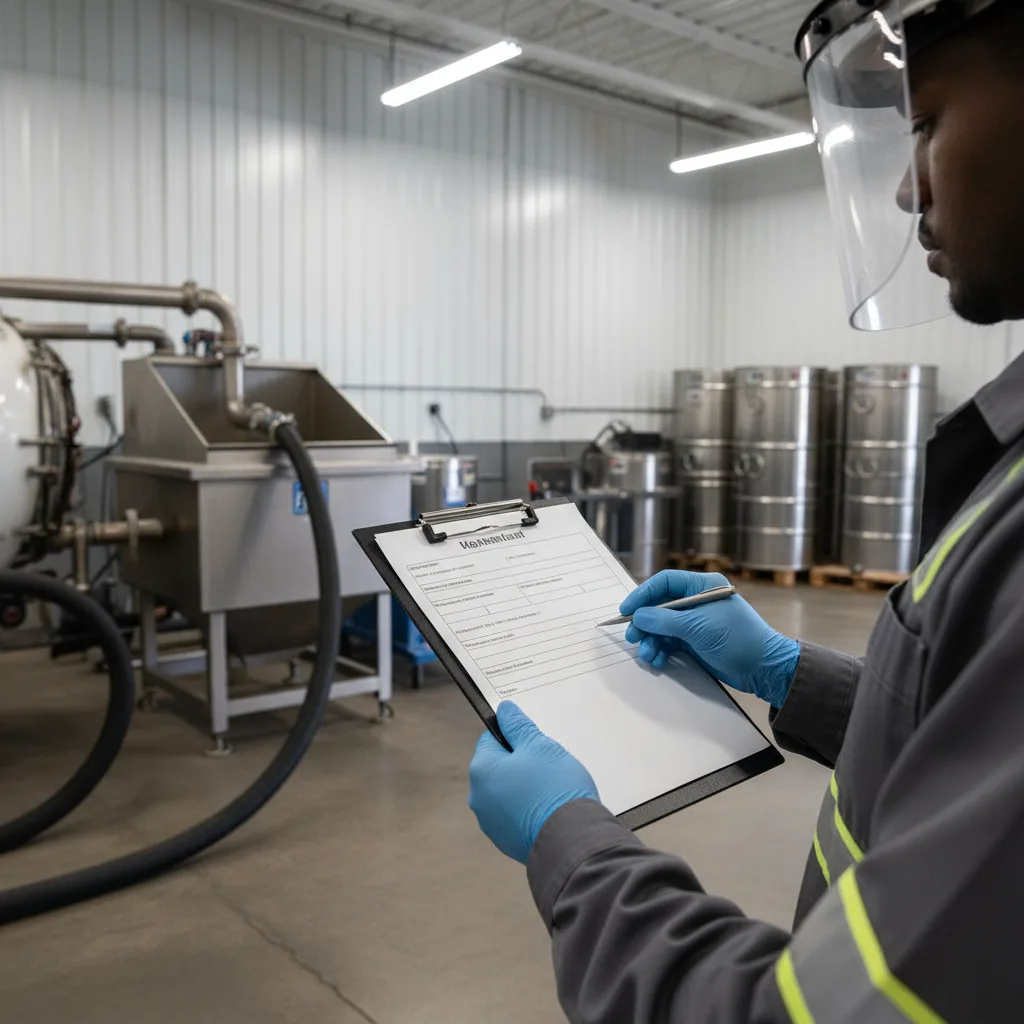
Grocery stores with hot food bars, rotisserie chicken stations, or full-service delis face the same grease trap compliance requirements as traditional restaurants — but many operators don't realize this until they're facing fines or failed health inspections. Whether you're running a prepared foods department or a corner market with a small fryer, understanding when grease traps are required and how to size them correctly protects your operation from costly plumbing failures and regulatory penalties. This guide covers everything grocery store managers need to know about grease trap compliance, from installation requirements to ongoing maintenance protocols.
When Grocery Stores Need Grease Traps
Not every grocery store requires a grease trap, but the moment you introduce food preparation equipment that generates fats, oils, and grease (FOG), you typically trigger local plumbing code requirements. Hot food bars, deli fryers, rotisserie ovens, and commercial dishwashers all discharge FOG into your wastewater system. The Uniform Plumbing Code and International Plumbing Code — adopted by most municipalities across North America — mandate grease interceptors for any commercial food service operation discharging more than minimal amounts of FOG.
The specific threshold varies by jurisdiction, but most health departments apply restaurant-grade standards to any grocery store operation that includes on-site cooking, frying, or food preparation beyond simple assembly. A produce department washing vegetables doesn't need a grease trap. A deli deep-frying chicken tenders absolutely does. The determining factor isn't your business classification — it's the equipment you operate and the wastewater you generate.
Many grocery stores have been cited for operating prepared food sections without proper grease management systems. Code enforcement typically discovers violations during new equipment installations, health inspections, or when investigating sewer line blockages traced back to your facility.
Sizing Requirements for Grocery Store Operations
Proper grease trap sizing for grocery stores depends on your specific equipment configuration and flow rates, not on your total square footage or customer volume. The calculation focuses on your fixtures that discharge FOG — primarily prep sinks, three-compartment sinks, and dishwashers in your deli or prepared foods area.
Most grocery store deli operations fall into two categories: compact setups with under-counter grease traps (typically 20-50 pounds capacity) and full-service prepared foods departments requiring larger interceptors (100-1,000 gallons or more). The Plumbing and Drainage Institute's standard formula multiplies the flow rate of your fixtures by a retention time factor, but local codes often impose minimum sizes regardless of calculated requirements.
A typical grocery store deli configuration might include a three-compartment sink, a prep sink, and a dishwasher. Using standard flow rates — 50 gallons per minute for the three-compartment sink, 15 GPM for the prep sink, and 20 GPM for the dishwasher — you're looking at an 85 GPM combined flow. Applying the standard 2:1 ratio (flow rate to trap capacity in pounds) suggests a 170-pound capacity minimum, but many jurisdictions require at least 40-50 pounds per fixture, pushing you toward a larger unit.
Installation Considerations for Retail Environments
Grocery stores present unique installation challenges compared to standalone restaurants. Space constraints in existing buildings, customer traffic patterns, and refrigeration line placement all complicate grease trap installation. Most retrofits in established grocery stores require careful coordination between your plumbing contractor, refrigeration technicians, and store operations to minimize disruption.
Under-counter grease traps work well for smaller deli operations where you're dealing with limited fixture counts and restricted floor space. These units install directly beneath sinks with minimal footprint impact, but they require more frequent pumping — typically every two to four weeks depending on volume. Larger grocery stores with extensive prepared foods programs often need exterior grease interceptors installed underground outside the building, which provide greater capacity but involve more complex installation and higher upfront costs.
Ventilation becomes critical when installing grease traps in customer-accessible areas. Unlike back-of-house restaurant installations, grocery store grease management systems often sit closer to shopping areas. Proper venting prevents odors from migrating into retail spaces, which can impact customer experience and generate complaints. Most codes require atmospheric vents extended through the roof or exterior wall, positioned away from HVAC intakes and customer entrances.
Schedule grease trap installations during store remodels or equipment upgrades when you're already disrupting operations. This approach minimizes additional downtime and often allows you to consolidate permit applications and inspection schedules.
Maintenance Protocols and Compliance Standards
Grocery store grease traps require the same rigorous maintenance schedules as restaurant systems, but operational realities often make compliance more challenging. Unlike restaurants with dedicated kitchen managers, grocery stores typically assign grease trap oversight to facilities managers juggling multiple responsibilities across the entire building. This divided attention frequently leads to missed pump-outs, inadequate record-keeping, and compliance violations.
Most jurisdictions require grease trap pumping when the combined thickness of floating grease and settled solids reaches 25% of the trap's total depth — the "25% rule" that applies universally across the grease trap industry. For grocery store delis operating six days per week with moderate to heavy fried food production, this typically translates to monthly service for under-counter units and quarterly service for larger interceptors. High-volume operations may need more frequent attention.
Documentation requirements mirror restaurant standards: maintain pumping records, inspection reports, and waste manifests for minimum three-year periods. Many municipalities now require electronic reporting through online portals, with automatic notifications when you're approaching required service intervals. Failing to maintain proper records generates fines even when your trap is functionally compliant — the burden falls on you to prove ongoing maintenance.
The biggest mistake we see with grocery store clients is treating grease trap maintenance as optional until something breaks. By then, you're looking at emergency service premiums, potential health code violations, and possible closure of your prepared foods department.
Common Violations and How to Avoid Them
Grocery stores face several recurring grease trap violations that differ from typical restaurant citations. The most common issue involves operating food preparation equipment without any grease management system — often because the store added a deli or hot food bar to an existing location without upgrading plumbing infrastructure. Code enforcement discovers these violations during routine health inspections or when investigating sewer line blockages traced to your facility.
Undersized grease traps rank second among grocery store violations. Many operators install minimal-capacity units based on initial deli operations, then expand their prepared foods program without upgrading grease management infrastructure. That 30-pound trap that worked fine when you only had a rotisserie chicken station becomes grossly inadequate when you add fryers, steam tables, and expanded dishwashing capacity.
Improper discharge connections create another frequent violation. Some grocery stores attempt to bypass grease trap requirements by routing deli wastewater through floor drains or janitorial sinks not connected to interceptors. This violates plumbing codes in virtually every jurisdiction and typically results in immediate correction orders plus fines. All fixtures that generate FOG must discharge through approved grease management systems — no exceptions.
Installing garbage disposals on fixtures connected to grease traps violates code in many jurisdictions and voids most grease trap warranties. The ground food solids accelerate trap filling and reduce grease separation efficiency, requiring more frequent pumping and increasing operational costs.
Cost Considerations and Budgeting
Grease trap expenses for grocery stores break down into installation costs, ongoing service fees, and potential violation penalties. Initial installation for under-counter units typically ranges from $2,500-$8,000 including equipment, labor, and permits. Larger exterior interceptors start around $8,000 and can exceed $25,000 for high-capacity systems requiring significant excavation and site work.
Monthly operating costs depend primarily on pumping frequency and local service rates. Under-counter traps requiring monthly service typically cost $150-$300 per pump-out. Larger interceptors serviced quarterly run $300-$800 per service. Budget an additional $500-$1,500 annually for inspections, minor repairs, and compliance documentation. These costs qualify as necessary operational expenses — factoring them into your deli department's overhead provides a more accurate picture of prepared foods profitability.
Violation penalties vary widely by jurisdiction but can quickly dwarf routine maintenance costs. Initial citations typically range from $500-$2,500, with daily fines accruing for continued non-compliance. Some municipalities impose immediate closure orders on food service operations found operating without required grease management systems, resulting in lost sales far exceeding any compliance costs.
Frequently Asked Questions
Does my grocery store need a grease trap if we only have a small deli counter?
If your deli includes any cooking equipment that generates grease — fryers, griddles, rotisserie ovens — you almost certainly need a grease trap regardless of size. The requirement is triggered by the type of equipment and wastewater characteristics, not by the scale of your operation. Even small deli operations with a single three-compartment sink typically require at least a minimal under-counter grease trap. Contact your local building department for definitive guidance based on your specific equipment configuration.
Can we use the same grease trap for multiple departments within our grocery store?
Yes, a single properly-sized grease trap can serve multiple FOG-generating departments — deli, bakery, prepared foods, and employee break room facilities can all discharge through one interceptor if designed correctly. However, the trap must be sized to handle the combined flow rate and grease load from all connected fixtures. Consolidating departments on a single trap often reduces installation costs but may require more frequent pumping than separate smaller units serving individual areas.
How often do grocery store grease traps need to be pumped out?
Pumping frequency depends on trap size, food preparation volume, and the types of foods you're preparing. Most grocery store delis with under-counter traps need monthly service, while larger exterior interceptors typically require quarterly pumping. High-volume operations preparing significant fried foods may need more frequent attention. Your service provider should monitor accumulation rates during initial pump-outs and adjust the schedule to maintain compliance with the 25% rule while avoiding unnecessary service costs.
What happens if we expand our deli operations — do we need a bigger grease trap?
Adding equipment or increasing food preparation volume may require upgrading your grease trap capacity. Before expanding deli operations, consult with a licensed plumber to evaluate whether your existing trap can handle additional load. Installing new fryers, adding prep stations, or extending operating hours all increase FOG discharge and may push you beyond your current trap's capacity. Proactive assessment prevents code violations and emergency upgrades that disrupt operations.
Are there alternatives to traditional grease traps for grocery stores?
Automatic grease removal devices and biological treatment systems offer alternatives to passive grease traps, though they typically cost more upfront. These systems use mechanical separation, skimming, or enzymatic treatment to manage FOG more efficiently than traditional traps. Some jurisdictions accept these alternatives while others maintain strict requirements for conventional interceptors. Evaluate total lifecycle costs — including maintenance, utilities, and consumables — before choosing alternative technologies, as ongoing expenses sometimes offset initial equipment savings.
Managing grease trap compliance doesn't have to derail your grocery store operations. With proper sizing, regular maintenance, and accurate record-keeping, you protect your facility from plumbing failures while maintaining full regulatory compliance. The investment in appropriate grease management infrastructure pays for itself through reduced maintenance emergencies, avoided violations, and uninterrupted deli operations. Find verified grease trap services in your area to ensure your grocery store meets all local requirements with professional installation and ongoing support.
Get Free Quotes from Local Grease Trap Pros
Tell us about your needs and we'll connect you with a verified contractor in your area. Free, no obligation.
Find verified, local contractors who handle cleaning, pumping, and FOG compliance — in your area.
