How Long Does a Grease Trap Last? Replacement Timeline Guide

13 Mar 2026 8 min read No comments Grease Trap Basics
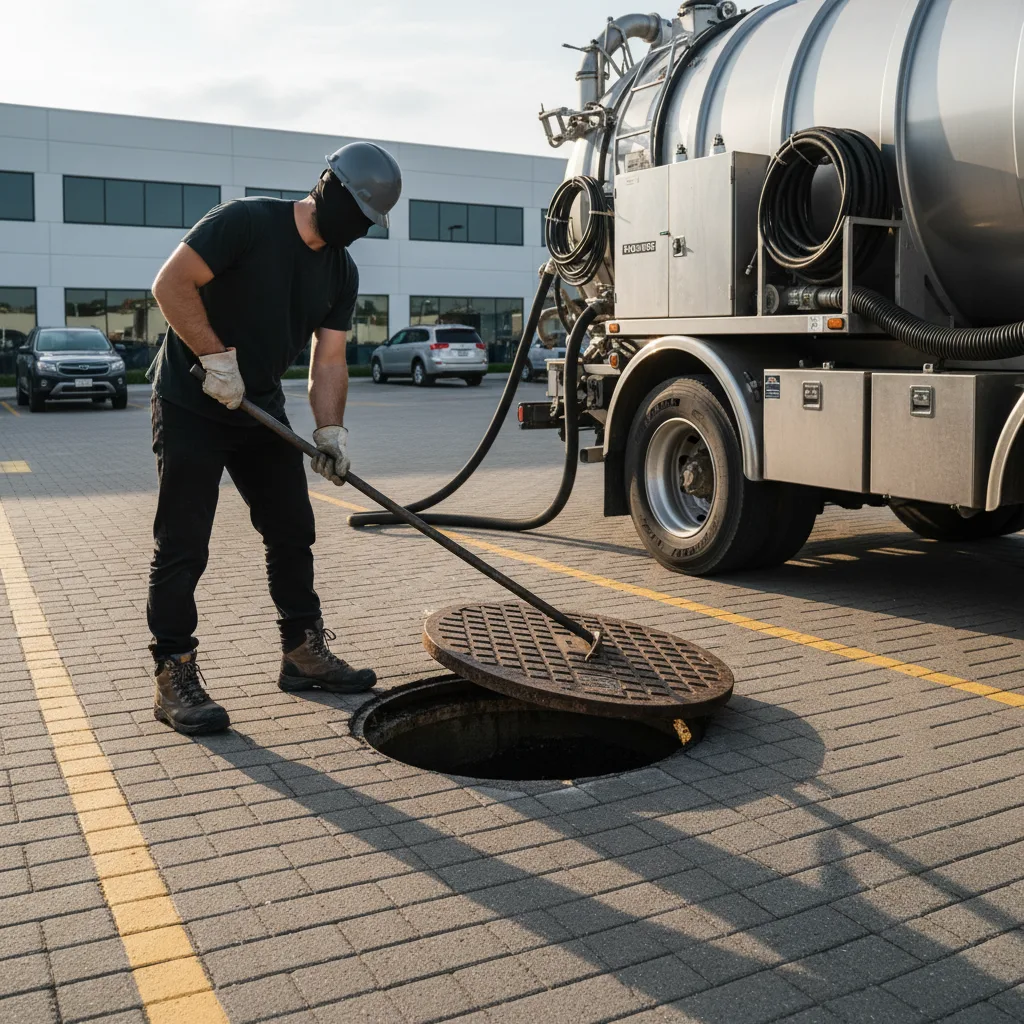
Featured image


Most commercial grease traps last between 5 and 15 years, but that wide range tells only part of the story. The actual grease trap lifespan depends on factors like material quality, kitchen volume, maintenance consistency, and whether your operation is pushing 300 covers on a Friday night or serving breakfast to a hotel lobby. This guide breaks down realistic replacement timelines, warning signs that your trap is failing, and the maintenance practices that add years to your investment.

Material-Specific Lifespan Expectations

The material your grease trap is constructed from determines its baseline durability before usage patterns and maintenance enter the equation. Steel traps typically last 7-10 years in high-volume environments but can reach 15 years with religious maintenance. The vulnerability here is corrosion — hydrogen sulfide from decomposing FOG attacks steel from the inside while external moisture threatens welds and seams.

Concrete traps installed below ground represent the longest-lasting option, with properly installed units reaching 20-25 years before structural concerns require replacement. These large-capacity interceptors serve high-volume operations and multi-tenant buildings where the initial installation cost justifies extended service life. However, concrete's longevity advantage disappears if the trap experiences foundation settling or root intrusion from nearby landscaping.

Composite and fiberglass traps occupy the middle ground at 10-15 years. These materials resist corrosion better than steel and cost less than concrete, making them popular for mid-sized restaurants. The trade-off appears in structural integrity — composite materials can crack under extreme temperature swings or if cleaning crews use excessive pressure during pump-outs.

Best Practice
Request material specifications and expected service life in writing when purchasing a new grease trap. Manufacturers often provide conditional warranties that reveal their confidence in longevity under proper maintenance conditions.

Usage Patterns That Accelerate Wear

A grease trap rated for 50 pounds of FOG per day that regularly handles 80 pounds experiences accelerated deterioration across every component. The baffles corrode faster, the inlet and outlet pipes develop blockages more frequently, and the structural integrity degrades as the unit operates beyond design specifications. Understanding how your kitchen's grease trap actually functions helps you recognize when capacity limitations are shortening service life.

Temperature extremes create expansion and contraction cycles that fatigue materials over time. Kitchens that dump boiling water directly into floor drains connected to the grease trap subject the unit to thermal shock. This is particularly damaging to composite materials and the gaskets that seal inspection ports. Each thermal cycle creates microscopic cracks that eventually become visible structural failures.

The difference between a grease trap lasting 7 years versus 12 years often comes down to whether staff understands what shouldn't go down the drain — it's not just about FOG.

Chemical exposure from harsh cleaning products attacks trap interiors in ways that normal FOG accumulation never does. Drain openers containing sulfuric acid or sodium hydroxide at concentrations above 10% erode baffles and compromise welds. Even "safe" enzymatic cleaners can disrupt the biological processes in outdoor traps, leading to excess hydrogen sulfide production that corrodes metal components from within.

Maintenance Frequency and Lifespan Correlation

The quarter-full rule — pumping out your trap when FOG accumulation reaches 25% of the trap's volume — represents the minimum standard for extending equipment life. Operations that wait until the trap reaches 50% capacity force the unit to work harder, retain more corrosive compounds, and develop backflow issues that stress inlet piping. This seemingly minor maintenance delay can reduce total lifespan by 30-40%.

3-5 years
Average lifespan reduction when monthly pump-outs are skipped

Professional cleaning goes beyond simple pump-outs. Technicians who scrape down baffles, inspect gaskets, and pressure-wash interior surfaces remove the hardened FOG deposits that create persistent odor problems and corrosion hot spots. These comprehensive cleanings every 6-12 months — in addition to regular pump-outs — add measurable years to trap service life by preventing the accumulation patterns that cause premature failure.

Documentation from each service visit creates a maintenance timeline that proves invaluable when evaluating whether to repair or replace aging equipment. Service records showing consistent maintenance support warranty claims and help you make data-driven decisions about whether repair makes financial sense compared to replacement costs.

Warning Signs Your Trap Is Approaching End of Life

Persistent odors that return within days of professional cleaning indicate either structural damage allowing FOG to accumulate in cracks or biological film buildup that standard cleaning can't remove. If your trap smells like sulfur or sewage even after a thorough pump-out, the interior surfaces have likely deteriorated to the point where bacteria colonize faster than cleaning can control.

Slow drainage throughout your kitchen represents another critical warning sign. When multiple floor drains back up simultaneously despite a recently serviced grease trap, the problem often traces to baffle failure, outlet pipe collapse, or structural settling that has altered the trap's internal flow patterns. These aren't issues that maintenance can resolve — they require component replacement or full trap replacement.

Important
Visible cracks, rust-through spots, or moisture around exterior welds signal immediate structural concerns. Operating a compromised grease trap risks FOG discharge violations and potential contamination of surrounding soil or groundwater — both extremely expensive problems to remediate.

Inspection port lids that won't seal properly or require excessive force to open indicate gasket failure or frame warping. While replacing gaskets is routine maintenance, warped frames mean the trap body itself has shifted or corroded beyond the point where simple repairs restore proper function. This is particularly common in steel traps older than 10 years operating in coastal environments where salt air accelerates corrosion.

Extending Service Life Through Strategic Upgrades

Baffle replacement represents the most cost-effective intervention for traps showing age but maintaining structural integrity. Baffles typically fail before the trap body itself, and replacing them costs 15-25% of full trap replacement while adding 3-5 years of service life. This works particularly well for concrete traps where the exterior structure remains sound but internal components have corroded.

Installing a solids interceptor upstream from your grease trap prevents food particles from entering the main trap where they accelerate biological decomposition and hydrogen sulfide production. This $800-$2,000 investment protects a $5,000-$15,000 grease trap by removing the abrasive solids that score interior surfaces and create attachment points for FOG buildup. For high-volume operations processing significant food waste, this upgrade typically extends trap life by 2-4 years.

Automatic grease removal devices retrofit onto existing traps and mechanically remove accumulated FOG on a programmed schedule. While the $3,000-$8,000 price point represents significant investment, these systems maintain optimal trap performance between manual cleanings and dramatically reduce the corrosive FOG contact time that ages trap interiors. The ROI calculation becomes favorable when comparing this cost against replacing a trap 5-7 years early due to accelerated deterioration.

Replacement vs. Rehabilitation Decision Framework

The 50% rule provides a starting point for replacement decisions — when repair costs exceed half the replacement cost, replacement typically makes better financial sense. However, this calculation must factor in remaining service life. Spending $3,000 to repair a trap that will function for another 5 years costs $600 annually, while replacing it immediately for $8,000 spreads over a 10-year lifespan at $800 annually.

Code compliance considerations sometimes force the decision regardless of repair costs. If your jurisdiction has updated grease trap requirements since your unit was installed, any major repair might trigger a requirement to upgrade to current standards. Many municipalities now mandate larger capacity traps or specific outlet configurations that make repairing an outdated unit impractical even when structurally feasible.

Operational disruption costs must enter the calculation. Replacing a grease trap requires 2-4 days of limited kitchen operation or complete shutdown, depending on trap location and access. Multiple repairs spread over 2-3 years create repeated disruptions that impact revenue and staff scheduling. From this perspective, planned replacement during a slow season often costs less than emergency repairs during peak periods.

Frequently Asked Questions

Can I extend my grease trap's life by cleaning it more frequently?

Yes, but with diminishing returns beyond a certain point. Increasing from monthly to bi-weekly pump-outs can add 2-3 years to a trap's service life, but going to weekly cleaning provides minimal additional benefit for the increased cost. The optimal frequency depends on your trap's capacity relative to kitchen output — the goal is preventing FOG accumulation from exceeding 25% of total volume.

Do restaurant chains replace grease traps on a predetermined schedule?

Most large chains conduct annual inspections and replace traps based on condition assessment rather than age alone. They typically set replacement budgets assuming 10-year lifecycles but authorize early replacement when inspections reveal structural concerns or repeated service issues. This approach prevents emergency failures while avoiding premature replacement of well-maintained units.

Will upgrading from a steel to composite trap last longer?

In most cases, yes — composite materials resist corrosion better than steel and typically add 2-4 years to expected service life under identical operating conditions. However, composite traps are more vulnerable to physical damage from cleaning equipment and thermal shock from hot water discharge. The material upgrade makes most sense in moderate-climate locations with consistent maintenance practices.

How does climate affect grease trap longevity?

Cold climates create freeze-thaw cycles that crack concrete and composite materials, while humid coastal environments accelerate steel corrosion. Desert climates with extreme temperature swings fatigue materials through expansion and contraction. Generally, concrete traps perform best in stable climates, composite in moderate conditions, and steel in dry environments where corrosion progresses slowly. Climate-appropriate material selection can add 20-30% to expected service life.

Should I factor replacement cost into equipment financing decisions?

Absolutely. When financing kitchen equipment, request loan terms that don't exceed 70% of your grease trap's expected remaining service life. This ensures you're not making payments on a trap that needs replacement before the loan matures. For new installations, 7-10 year financing terms align well with realistic service life expectations under professional maintenance programs.

Understanding your grease trap's realistic lifespan helps you budget for eventual replacement while maximizing your current equipment investment through strategic maintenance and timely repairs. The difference between getting 7 years and 14 years from the same trap often comes down to consistent professional service and addressing minor issues before they become major failures. Find verified grease trap services in your area at https://www.greasetraplocator.com to connect with professionals who can assess your current trap's condition and recommend the most cost-effective maintenance schedule for your operation.

Grease Trap Locator Editorial Team
Author: Grease Trap Locator Editorial Team

The Grease Trap Locator editorial team covers FOG compliance, grease trap maintenance, and commercial kitchen regulations across the US and Canada. Our guides are written for restaurant owners, facility managers, and food service operators who need practical, accurate information without the fluff.

Need a Licensed Grease Trap Service?

Find verified, local contractors who handle cleaning, pumping, and FOG compliance — in your area.

Find a Verified Contractor